
DrRobin BhatiaN
About Me
DrRobin BhatiaN
MD
Neurologist
10 Years Experience
Biography
My Clinic
OPD Hours
| Monday | Morning | 10:00 AM | - | 02:00 PM |
| Evening | 06:00 PM | - | 09:00 PM | |
| Tuesday | Morning | 10:00 AM | - | 02:00 PM |
| Evening | 06:00 PM | - | 09:00 PM | |
| Wednesday | Morning | 10:00 AM | - | 02:00 PM |
| Evening | 06:00 PM | - | 09:00 PM | |
| Thursday | Morning | 10:00 AM | - | 02:00 PM |
| Evening | 06:00 PM | - | 09:00 PM | |
| Friday | Morning | 10:00 AM | - | 02:00 PM |
| Evening | 06:00 PM | - | 09:00 PM | |
| Saturday | Morning | 10:00 AM | - | 02:00 PM |
| Evening | 06:00 PM | - | 09:00 PM | |
| Sunday | Morning | 10:00 AM | - | 02:00 PM |
| Evening | 06:00 PM | - | 09:00 PM |
Treatments
Specialised care and treatments offered
PERIPHERAL NEUROPATHY CARE

This condition involves damage to peripheral nerves causing sensory changes and motor dysfunction. Early identification allows for improved symptom control strategies tailored individually.
- Causes/Symptoms: Numbness, tingling sensations usually starting in hands or feet that may progress over time due to diabetes or other medical problems.
- Diagnostic approaches: Nerve conduction studies along with clinical evaluation determine extent of nerve involvement.
- Treatment options: Controlling underlying causes such as blood sugar levels alongside medications that relieve nerve pain are mainstays.
- Lifestyle measures: Balanced diet rich in vitamins B complex supports nerve health; regular physical activity helps maintain strength.
Comprehensive care incorporating both medical therapies and supportive lifestyle modifications enhances overall nerve function preservation.
CHRONIC HEADACHE DISORDERS MANAGEMENT
Persistent headaches not classified as migraines require careful assessment to identify underlying causes and optimize patient comfort through targeted approaches.
- Causative factors/symptoms:Mild to moderate head pain often linked to tension-type headaches due to muscular strain or stress-related triggers.
- Eliciting diagnosis steps: A thorough clinical history rules out secondary causes while headache diaries assist pattern recognition over time.
- Treatment avenues: Lifestyle modification such as ergonomic improvements at workstations combined with relaxation techniques lessen headache occurrence frequency.
- Pharmacotherapy: Over-the-counter analgesics judiciously used along with preventive drugs when appropriate.
- Expected outcome: Many patients experience substantial relief from chronic headaches following these personalized interventions.
Effective management focuses on reducing headache episodes’ intensity while addressing contributing lifestyle elements comprehensively.\n
MULTIPLE SCLEROSIS SUPPORTIVE CARE
A chronic autoimmune condition affecting the central nervous system characterized by multiple neurological symptoms. Awareness promotes better symptom management strategies.
- Symptoms/causes: Numbness, vision problems, muscle weakness; caused by immune-mediated damage to nerve coverings (myelin).
- Diagnosis: MRI scans detect lesions in the brain/spinal cord alongside cerebrospinal fluid analysis confirming inflammation markers.
- Treatment options: Disease-modifying therapies reduce relapse rates while corticosteroids manage flare-ups; symptom-specific medications address fatigue or spasticity.
- Lifestyle role: Balanced nutrition, stress reduction, and physical activity support overall wellbeing during disease progression stages.
The combination of medical treatments with lifestyle adaptations helps maintain independence for many living with multiple sclerosis.
PARKINSON’S DISEASE SYMPTOM MANAGEMENT
This chronic movement disorder develops gradually due to dopamine-producing neuron loss. Early recognition facilitates timely intervention to improve functionality.
- Symptoms/causes: Tremors at rest, stiffness, slowed movements, balance difficulties; primarily idiopathic but may have genetic links.
- Diagnosis: Based on clinical examination focusing on motor symptoms; imaging used in some cases to exclude mimicking conditions.
- Treatment options: Medications like levodopa help replenish dopamine levels; physiotherapy enhances mobility and reduces rigidity.
- Lifestyle adjustments: Regular exercise regimes promote muscle strength and flexibility while speech therapy may address communication issues.
A multidisciplinary strategy combining medication with rehabilitation exercises can greatly ease symptom burden in Parkinson’s disease patients.
EPILEPSY CARE
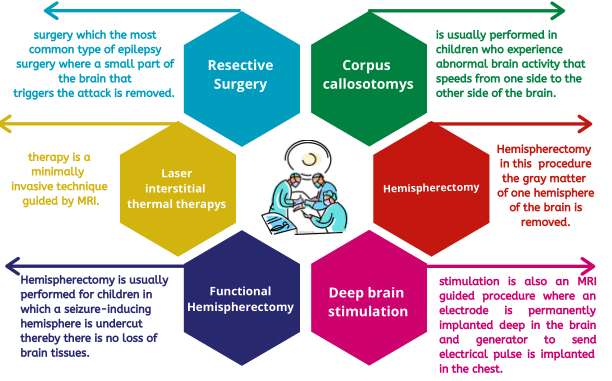
Epilepsy is a neurological disorder marked by recurring seizures caused by abnormal brain activity. Proper understanding aids in controlling episodes effectively.
- Symptoms/causes: Sudden muscle spasms, loss of consciousness or awareness; can result from genetic factors or brain injury.
- Diagnosis: Electroencephalogram (EEG) tests and neuroimaging help confirm seizure types and underlying abnormalities.
- Treatment options: Antiepileptic medications tailored to seizure type; lifestyle measures avoiding sleep deprivation and managing stress are crucial.
- Prognosis: Many individuals achieve good seizure control with treatment; ongoing monitoring is important.
An informed approach combining medication adherence with healthy habits supports better quality of life for those living with epilepsy.
MIGRAINE MANAGEMENT
Migraines are intense headaches often accompanied by nausea, visual disturbances, and sensitivity to light or sound. Understanding this condition aids in effective symptom control and improving daily life.
- Symptoms/causes: Recurring throbbing pain, often on one side of the head, can be triggered by stress, hormonal changes, certain foods, or environmental factors.
- Diagnosis: Mainly clinical evaluation through patient history; imaging may be done to rule out other causes.
- Treatment options: Lifestyle adjustments including regular sleep patterns, hydration, stress management techniques, and avoiding known triggers; medications like analgesics or triptans for acute attacks.
- Management: Preventative approaches such as dietary regulation and biofeedback therapy aim to reduce frequency and severity over time.
With consistent care and awareness of triggers, many people find significant relief from migraine episodes and maintain an active lifestyle.