
DrRudra Dutt Sha
About Me
DrRudra Dutt Sha
MBBS
General Physician
Biography
My Clinic
OPD Hours
| Monday | Morning | 10:00 AM | - | 02:00 PM |
| Evening | 06:00 PM | - | 09:00 PM | |
| Tuesday | Morning | 10:00 AM | - | 02:00 PM |
| Evening | 06:00 PM | - | 09:00 PM | |
| Wednesday | Morning | 10:00 AM | - | 02:00 PM |
| Evening | 06:00 PM | - | 09:00 PM | |
| Thursday | Morning | 10:00 AM | - | 02:00 PM |
| Evening | 06:00 PM | - | 09:00 PM | |
| Friday | Morning | 10:00 AM | - | 02:00 PM |
| Evening | 06:00 PM | - | 09:00 PM | |
| Saturday | Morning | 10:00 AM | - | 02:00 PM |
| Evening | 06:00 PM | - | 09:00 PM | |
| Sunday | Morning | 10:00 AM | - | 02:00 PM |
| Evening | 06:00 PM | - | 09:00 PM |
Treatments
Specialised care and treatments offered
COMMON COLD
The common cold represents one of the most prevalent viral infections affecting individuals across all age groups. Despite its notoriety as a mild illness by most accounts—understanding its nature aids quicker recovery!
- Symptoms often manifest as a runny or stuffy nose; sore throat; coughing; sneezing; mild headache; fatigue—usually resolving within one week without requiring extensive treatments!
- Diagnosing a cold involves merely recognizing signs since laboratory tests aren’t routinely necessary unless underlying conditions arise complicating recovery efforts!
- While there's no cure available specifically formulated against rhinoviruses implicated—home remedies including hydration combined with rest yield favorable outcomes consistently observed amongst patients!
Although inconveniently contagious—common colds rarely pose serious health threats yet warrant appropriate self-care approaches promoting optimal well-being!
SEASONAL ALLERGIES

Seasonal allergies are immune responses triggered by outdoor allergens such as pollen from trees, grasses, or weeds. Awareness about these allergies is crucial for anyone affected during certain seasons of the year!
- The most common symptoms include sneezing, runny or stuffy nose, itchy eyes/nose/throat; these can vary from mild discomfort to severe reactions depending on individual sensitivity levels.
- Dermatological evaluations help identify allergic responses through skin prick tests that pinpoint specific allergens causing reactions in sensitive individuals
- Treatment options comprise antihistamines for symptom relief alongside nasal corticosteroids that help reduce inflammation in nasal passages. Avoiding known allergens remains key to effective management!
Understanding seasonal allergies helps minimize exposure risks while maximizing comfort through proper intervention strategies!
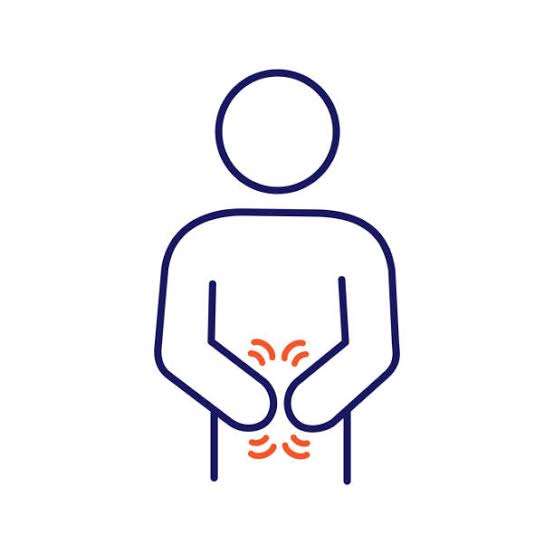
GASTROESOPHAGEAL REFLUX DISEASE (GERD)

Gastroesophageal reflux disease (GERD) occurs when stomach acid flows back into the esophagus. This common disorder can significantly impact daily activities if left untreated due to its uncomfortable symptoms.
- Sufferers often experience heartburn, regurgitation of food or sour liquid, difficulty swallowing (dysphagia), and sometimes even chest pain that mimics heart-related issues.
- A healthcare provider will conduct a thorough examination along with possible endoscopy to diagnose GERD effectively by observing esophageal lining changes.
- Treatment typically involves lifestyle changes like diet modification alongside antacids or prescription medications that reduce acid production. In some cases, surgery may be indicated for severe cases not responding to other treatments.
Total symptom control improves the quality of life significantly for those managing GERD through consistent treatment approaches!
ASTHMA
A common respiratory condition known as asthma causes inflammation and narrowing of the airways. Understanding asthma's triggers and management techniques can enhance quality of life for affected individuals.
- Main symptoms include wheezing, coughing (especially at night), difficulty breathing during physical exertion, and chest tightness.
- Diagnosis usually involves a comprehensive medical history review followed by lung function tests to assess airflow limitations.
- Management includes avoidance of triggers such as allergens or smoke; bronchodilators are commonly prescribed for quick relief during an asthma attack.
- Long-term control medications may also be necessary to maintain steady breathing patterns and prevent attacks.
Mild asthma can often be managed effectively with proper education about medication use and lifestyle adjustments to keep symptoms at bay.
DIABETES MELLITUS

Diabetes Mellitus is a chronic condition that affects how your body processes blood sugar (glucose). Understanding this disease is vital for effective management and prevention of complications.
- The primary types include Type 1, which often develops in children and young adults, and Type 2, which is more common in adults due to lifestyle factors.
- Common symptoms are increased thirst, frequent urination, extreme fatigue, and blurred vision.
- A diagnosis is made through blood tests that measure glucose levels; HbA1c tests help monitor long-term management.
- Treatment focuses on dietary changes, regular physical activity, blood sugar monitoring, and possibly insulin therapy for Type 1 patients.
- Successful diabetes management requires ongoing education about nutrition and self-care strategies.
A proactive approach helps prevent serious complications like heart disease or neuropathy associated with uncontrolled diabetes.
HYPERTENSION
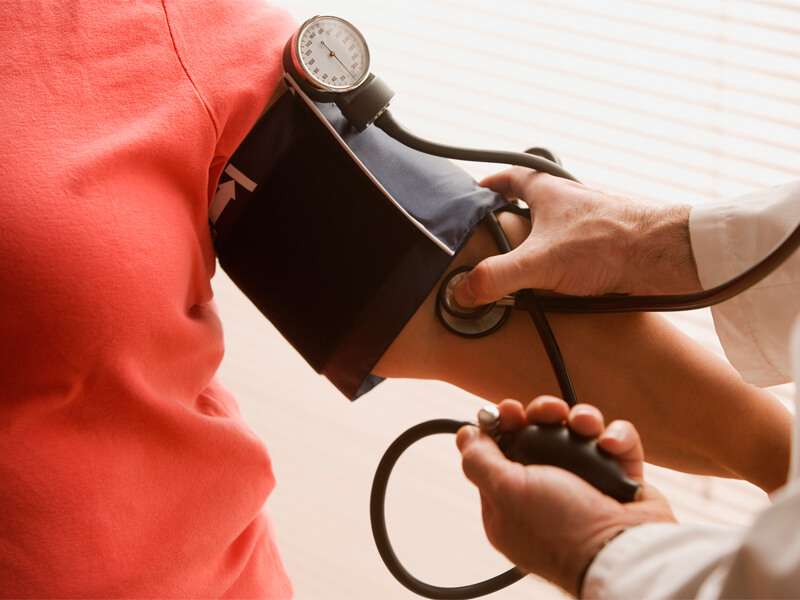
Hypertension, commonly known as high blood pressure, is a significant health concern affecting many individuals. It often develops over years and can lead to serious complications if not properly managed.
- Symptoms may include headaches, shortness of breath, or nosebleeds, but it is frequently asymptomatic.
- Diagnosis typically involves measuring blood pressure during routine check-ups and may require additional tests to assess heart and kidney function.
- Treatment options include lifestyle changes such as diet and exercise, along with medications like diuretics or ACE inhibitors.
- Regular monitoring is crucial; patients may need periodic adjustments in their treatment plan.
- Managing stress through relaxation techniques can also be beneficial for overall health.
With appropriate management, those diagnosed with hypertension can lead healthy lives and reduce their risk of complications.