
DrSanjeev Garha
About Me
DrSanjeev Garha
MD
Diabetologist
Biography
My Clinic
OPD Hours
| Monday | Morning | 10:00 AM | - | 02:00 PM |
| Evening | 06:00 PM | - | 09:00 PM | |
| Tuesday | Morning | 10:00 AM | - | 02:00 PM |
| Evening | 06:00 PM | - | 09:00 PM | |
| Wednesday | Morning | 10:00 AM | - | 02:00 PM |
| Evening | 06:00 PM | - | 09:00 PM | |
| Thursday | Morning | 10:00 AM | - | 02:00 PM |
| Evening | 06:00 PM | - | 09:00 PM | |
| Friday | Morning | 10:00 AM | - | 02:00 PM |
| Evening | 06:00 PM | - | 09:00 PM | |
| Saturday | Morning | 10:00 AM | - | 02:00 PM |
| Evening | 06:00 PM | - | 09:00 PM | |
| Sunday | Morning | 10:00 AM | - | 02:00 PM |
| Evening | 06:00 PM | - | 09:00 PM |
Treatments
Specialised care and treatments offered
METABOLIC SURGERY
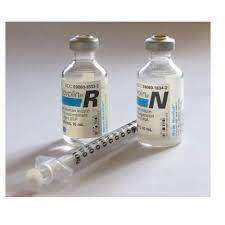
A newer alternative for eligible patients dealing with obesity-related Type 2 diabetes is metabolic surgery. This specialized form focuses on altering gastrointestinal anatomy specifically targeted at improving glucose metabolism alongside weight reduction efforts.
- Symptoms/causes: Individuals struggling with obesity related directly affecting their diabetic status can benefit significantly from metabolic modifications done surgically if other interventions fail over time
BARIATRIC SURGERY FOR TYPE 2 DIABETES
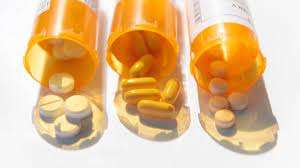
Bariatric surgery is an option for some individuals with obesity-related Type 2 diabetes. It has been shown to result in significant weight loss which can improve or even resolve diabetes in certain patients who meet specific criteria.
- Symptoms/causes: Severe obesity often leads to complications like insulin resistance which exacerbates diabetic conditions; bariatric surgery addresses both issues simultaneously.
- Diagnosis: Evaluation includes assessing the patient’s body mass index (BMI), overall health status, and previous attempts at weight loss therapies before considering surgery.
- Treatment options: Common procedures such as gastric bypass or sleeve gastrectomy alter the digestive system's function substantially impacting hormone regulation related to appetite and metabolism.
- What to expect: Post-surgery, regular follow-ups are crucial for monitoring weight loss progress, nutritional intake adjustments, and metabolic changes including improvements in diabetes markers.
This surgical intervention offers an avenue toward lasting health benefits beyond traditional medical management alone.
DIABETES SELF-MANAGEMENT EDUCATION
Diabetes Self-Management Education (DSME) empowers patients with the knowledge and skills needed for effective diabetes management. Through structured programs, individuals learn how to make informed decisions about their health and improve their quality of life.
- Symptoms/causes: Many patients struggle with understanding their condition, leading to poor self-management and increased risk of complications.
- Diagnosis: Assessment involves identifying the patient’s educational needs through discussions about their current understanding of diabetes management strategies.
- Treatment options: The education may include nutrition guidance, physical activity plans, blood sugar monitoring techniques, medication management, and coping strategies.
- What to expect: Participants often find increased confidence in managing their condition independently following these educational sessions.
This program aims to equip patients with essential tools for long-term health outcomes in diabetes care.
CONTINUOUS GLUCOSE MONITORING (CGM)
Continuous Glucose Monitoring (CGM) is a technology that provides real-time glucose readings throughout the day and night. This helps individuals manage their diabetes more effectively by allowing timely adjustments to their treatment plans based on real-time data.
- Symptoms/causes: Patients may seek CGM if they have frequent hypoglycemic episodes or difficulty managing fluctuations in blood sugar levels.
- Diagnosis: A healthcare provider evaluates the patient's current monitoring practices and overall diabetes management before recommending CGM systems.
- Treatment options: CGMs involve a small sensor inserted under the skin that measures glucose levels in interstitial fluid, transmitting data wirelessly to a receiver or smartphone app.
- What to expect: Users will have access to alerts for high or low glucose levels, allowing them to take proactive measures when necessary.
This cutting-edge tool significantly reduces the burden of managing diabetes daily.
INSULIN PUMP THERAPY
Insulin pump therapy is a method of delivering insulin continuously to manage blood glucose levels for individuals with diabetes. This innovative approach allows for more precise control of insulin delivery, leading to improved glycemic control and flexibility in the patient's lifestyle.
- Symptoms/causes: Patients requiring insulin pump therapy typically experience fluctuating blood sugar levels, which can lead to complications if not managed properly.
- Diagnosis: A healthcare professional assesses the patient's diabetes management needs and considers their lifestyle, blood sugar patterns, and preference for treatment methods.
- Treatment options: The insulin pump delivers rapid-acting insulin through a small cannula placed under the skin, providing continuous basal insulin along with bolus doses for meals.
- What to expect: Patients can expect regular follow-up appointments to monitor their progress and make necessary adjustments to their insulin regimen.
This therapy aims to enhance quality of life while maintaining optimal blood glucose control.