
DrSanjeev Kumar
About Me
DrSanjeev Kumar
DM
Cardiologist
10 Years Experience
Biography
My Clinic
OPD Hours
| Monday | Morning | 10:00 AM | - | 02:00 PM |
| Evening | 06:00 PM | - | 09:00 PM | |
| Tuesday | Morning | 10:00 AM | - | 02:00 PM |
| Evening | 06:00 PM | - | 09:00 PM | |
| Wednesday | Morning | 10:00 AM | - | 02:00 PM |
| Evening | 06:00 PM | - | 09:00 PM | |
| Thursday | Morning | 10:00 AM | - | 02:00 PM |
| Evening | 06:00 PM | - | 09:00 PM | |
| Friday | Morning | 10:00 AM | - | 02:00 PM |
| Evening | 06:00 PM | - | 09:00 PM | |
| Saturday | Morning | 10:00 AM | - | 02:00 PM |
| Evening | 06:00 PM | - | 09:00 PM | |
| Sunday | Morning | 10:00 AM | - | 02:00 PM |
| Evening | 06:00 PM | - | 09:00 PM |
Treatments
Specialised care and treatments offered
LIFESTYLE MODIFICATION COUNSELING

Lifestyle choices play a vital role in maintaining cardiovascular health; hence counseling becomes imperative for those seeking improvement in their life habits related directly towards cardiology care outcomes!
CORONARY ARTERY DISEASE (CAD) MANAGEMENT
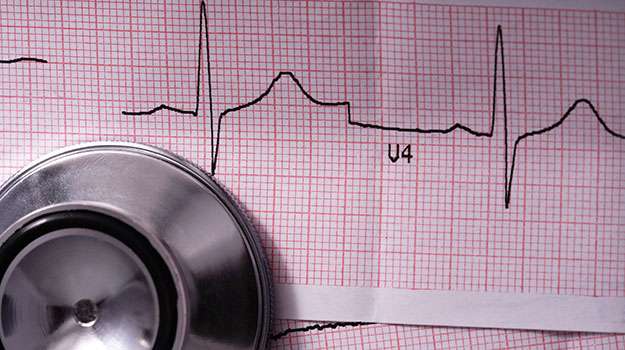
The narrowing or blockage of coronary arteries leads to coronary artery disease (CAD), which can have significant implications for heart health if left unmanaged.
- Main causes: Factors contributing include high cholesterol levels, smoking habits, unhealthy diets, and lack of exercise .
- Diagnosis: Imaging studies alongside stress tests ascertain the extent of blockages present within coronary vessels.
- Treatment strategies: Emphasis on lifestyle modifications plays a critical role; managing risk factors through diet improvements alongside pharmacological interventions may also be necessary based on individual needs.
- Long-term outlooks: Engaging actively with healthcare professionals aids patients in achieving optimal control over their conditions while minimizing potential complications from CAD down the line.
Total commitment leads patients toward improved long-term outcomes by adhering closely with prescribed routines throughout this journey.
ARRHYTHMIA TREATMENT
An arrhythmia refers to an irregular heartbeat which may impact overall cardiovascular health. Understanding your condition helps facilitate better management strategies.
- Symptoms: Patients might experience palpitations, dizziness, or fainting spells depending on the type of arrhythmia they have.
- Diagnosis: Cardiac monitoring through ECG tests assists in diagnosing arrhythmias accurately.
- Treatment approach: Depending on severity, treatments range from lifestyle modifications like stress reduction techniques to medications that regulate heartbeat patterns.
- Follow-up care: Regular follow-ups with your cardiologist ensure proper management of arrhythmia episodes.
Living with an arrhythmia requires awareness; several non-invasive options exist for individuals needing support while leading healthy lives after diagnosis.
HEART FAILURE MANAGEMENT
Heart failure occurs when the heart cannot pump blood efficiently; understanding this condition helps in its effective management. Early intervention is vital for better outcomes.
- Symptoms: Common symptoms include shortness of breath, swelling in the legs, fatigue, and persistent cough or wheezing.
- Causes: Conditions like coronary artery disease or hypertension often contribute to heart failure development over time.
- Treatment options: Management involves medications that help improve heart function and reduce fluid retention. Lifestyle changes are equally important for improving quality of life.
- Coping strategies: Patients should monitor weight regularly and adhere to a low-salt diet as instructed by their healthcare provider.
An informed approach towards heart failure allows individuals to lead fulfilling lives while managing their symptoms effectively. Consistent follow-up care enhances overall health stability.
CHOLESTEROL MANAGEMENT
The presence of high cholesterol levels increases the risk of cardiovascular diseases and requires attention. Managing cholesterol is crucial for maintaining heart health.
- Causes: Factors contributing to high cholesterol include poor diet, lack of physical activity, obesity, and genetics.
- Diagnosis: A simple blood test helps determine cholesterol levels and assesses heart health risks.
- Treatment methods: Dietary modifications, such as reducing saturated fats and increasing fiber intake, can significantly lower cholesterol. Medications like statins may also be required in some cases.
- Lifestyle changes: Regular physical activity and weight management can greatly improve cholesterol levels.
- Aim: The goal is to lower LDL (bad) cholesterol while raising HDL (good) cholesterol through holistic approaches.
A commitment to lifestyle adjustments can help you achieve healthier cholesterol levels and enhance your overall well-being.
HYPERTENSION MANAGEMENT
Hypertension, commonly known as high blood pressure, is a prevalent condition that affects many adults. It is crucial to manage hypertension effectively to prevent severe health complications.
- Symptoms: Often, hypertension does not present with noticeable symptoms; however, some individuals may experience headaches or nosebleeds.
- Diagnosis: A healthcare provider measures blood pressure using a sphygmomanometer during routine check-ups.
- Treatment options: Lifestyle changes such as a balanced diet, regular exercise, and stress management are key. Medications may also be prescribed.
- Management: Regular monitoring of blood pressure levels and adherence to prescribed treatments are essential for effective management.
- What to expect: With consistent management, patients can achieve normal blood pressure levels and reduce the risk of heart disease or stroke.
A proactive approach to managing hypertension can lead to a healthier future. Engaging in preventive measures is vital in controlling this silent condition.