
Drsunil Tank
About Me
Drsunil Tank
MD
Dermatologist
Biography
My Clinic
OPD Hours
| Monday | Morning | 10:00 AM | - | 02:00 PM |
| Evening | 06:00 PM | - | 09:00 PM | |
| Tuesday | Morning | 10:00 AM | - | 02:00 PM |
| Evening | 06:00 PM | - | 09:00 PM | |
| Wednesday | Morning | 10:00 AM | - | 02:00 PM |
| Evening | 06:00 PM | - | 09:00 PM | |
| Thursday | Morning | 10:00 AM | - | 02:00 PM |
| Evening | 06:00 PM | - | 09:00 PM | |
| Friday | Morning | 10:00 AM | - | 02:00 PM |
| Evening | 06:00 PM | - | 09:00 PM | |
| Saturday | Morning | 10:00 AM | - | 02:00 PM |
| Evening | 06:00 PM | - | 09:00 PM | |
| Sunday | Morning | 10:00 AM | - | 02:00 PM |
| Evening | 06:00 PM | - | 09:00 PM |
Treatments
Specialised care and treatments offered
SEBORRHEIC DERMATITIS
ROSACEA
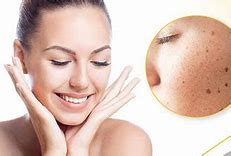
This chronic facial condition primarily affects adults and results in redness across the cheeks and nose. Over time,it may lead to visible blood vessels and small pustules resembling acne.
- Main Symptoms: Key indicators include flushing episodes followed by persistent redness rather than bumps alone;
ECZEMA (ATOPIC DERMATITIS)
Eczema is an inflammatory condition characterized by dry and itchy skin. It often begins in childhood but can persist into adulthood or manifest later in life. Commonly affected areas include the folds of the elbows and knees.
- Symptoms: Patients typically experience intense itching alongside red or brownish-grey patches on the skin.
- Causes: Genetic predisposition combined with environmental factors plays a key role in its development.
- The Diagnosis Process: A healthcare professional usually makes a diagnosis through medical history and physical examination of affected areas.
- Treatment Strategies: Management includes emollients to hydrate the skin along with topical steroids to reduce inflammation during flare-ups.
- Your Journey Ahead: While eczema can be challenging to manage over time, most individuals find relief through consistent care routines.
No matter how severe your symptoms are, effective solutions exist that allow you to lead a more comfortable life with eczema.
PSORIASIS
This chronic autoimmune condition leads to rapid skin cell production resulting in scaling on the skin's surface. Psoriasis often affects the elbows, knees, scalp, and lower back.
- Symptoms: Characterized by red patches covered with thick silvery scales.
- Causes: Triggers may include stress, infections, or certain medications.
- Diagnosis: A healthcare provider can identify psoriasis through visual assessment and possibly a skin biopsy if needed.
- Treatment Methods: Options range from topical treatments to phototherapy and systemic medications that target the immune system.
- Managing Expectations: While there is no cure for psoriasis, effective management can significantly reduce flare-ups and improve quality of life.
A comprehensive treatment plan tailored to individual needs is crucial for managing this lifelong condition effectively.
ACNE
Acne is a common skin condition that occurs when hair follicles become clogged with oil and dead skin cells. It often manifests as pimples, blackheads, or cysts, primarily on the face, back, and shoulders.
- Symptoms: These may include whiteheads, blackheads, and red or inflamed lesions.
- Causes: Factors such as hormonal changes, certain medications, and diet can contribute to acne flare-ups.
- Diagnosis: A dermatologist can diagnose acne through a physical examination of the skin.
- Treatment Options: Management includes topical treatments like benzoyl peroxide or salicylic acid, oral antibiotics, and lifestyle modifications.
- What to Expect: Improvements can often be seen within a few weeks of starting treatment; however, some cases may require ongoing management.
If you struggle with persistent acne, consulting a specialist can help develop an effective long-term strategy for clearer skin.