
DrSuresh Homoeo
About Me
DrSuresh Homoeo
MBBS
Dermatologist
10 Years Experience
Biography
My Clinic
OPD Hours
| Monday | Morning | 10:00 AM | - | 02:00 PM |
| Evening | 06:00 PM | - | 09:00 PM | |
| Tuesday | Morning | 10:00 AM | - | 02:00 PM |
| Evening | 06:00 PM | - | 09:00 PM | |
| Wednesday | Morning | 10:00 AM | - | 02:00 PM |
| Evening | 06:00 PM | - | 09:00 PM | |
| Thursday | Morning | 10:00 AM | - | 02:00 PM |
| Evening | 06:00 PM | - | 09:00 PM | |
| Friday | Morning | 10:00 AM | - | 02:00 PM |
| Evening | 06:00 PM | - | 09:00 PM | |
| Saturday | Morning | 10:00 AM | - | 02:00 PM |
| Evening | 06:00 PM | - | 09:00 PM | |
| Sunday | Morning | 10:00 AM | - | 02:00 PM |
| Evening | 06:00 PM | - | 09:00 PM |
Treatments
Specialised care and treatments offered
SEBORRHEIC DERMATITIS
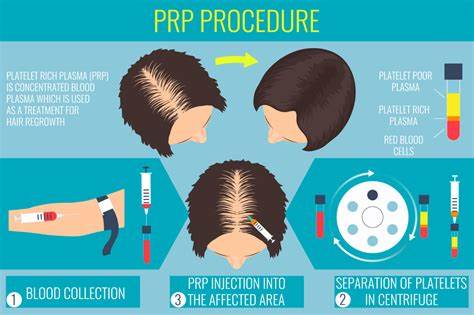
A common inflammatory disorder affecting oily areas of the body such as the scalp where it manifests as dandruff along with redness and scaling. It also frequently impacts facial regions around the nose or eyebrows.
VITILIGO
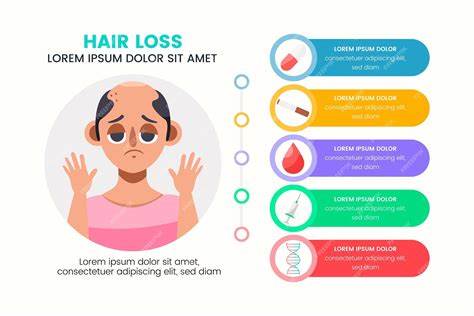
This condition results in loss of pigment producing cells called melanocytes causing irregular white patches on the skin. It often appears symmetrically but patterns vary widely between individuals.
- Disease characteristics & causes:The underlying mechanism involves autoimmune destruction of melanocytes though exact triggers are uncertain;
ROSACEA
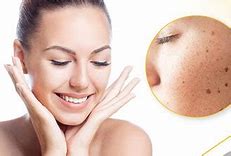
This chronic facial skin disorder produces redness predominantly across the central face including cheeks and nose. It may include visible blood vessels or acne-like bumps without blackheads.
- Description of symptoms/causes: Persistent flushing accompanied by swelling or burning sensations; exact cause unknown but linked to vascular hyperreactivity and environmental triggers like sunlight or heat exposure.
- Differential diagnosis & diagnosis: Based mainly on clinical appearance plus exclusion of other conditions such as acne vulgaris or lupus;
- Treatments available: Include topical agents like metronidazole or azelaic acid; laser therapy for visible vessels; oral antibiotics for inflammatory lesions;
- Lifestyle adjustments recommended:
ECZEMA (ATOPIC DERMATITIS)
Eczema is an inflammatory condition characterized by itchy, dry patches of skin that can become cracked or inflamed. It often begins in childhood but may affect adults too.
- Main symptoms and causes: Intense itching accompanied by redness and dryness; linked with allergic tendencies and compromised skin barrier function.
- Diagnostic process: Clinical evaluation focusing on typical areas affected plus patient history regarding allergies or asthma.
- Treatment modalities: Regular use of emollients for hydration; topical corticosteroids during flares; antihistamines may ease itching;
- Avoidance strategies: Identifying triggers like irritants or allergens can reduce flare frequency;
- Outcome expectations: Chronic condition requiring long-term management but symptoms can be controlled effectively.
Eczema management centers on maintaining skin hydration while controlling inflammation. Education about triggers supports better symptom control for affected individuals.
ACNE VULGARIS
This common skin condition affects hair follicles and oil glands leading to pimples, blackheads, or cysts. Acne mostly occurs during adolescence but can persist or begin in adulthood.
- Causes and symptoms: Results from excess sebum production, clogged pores, inflammation, and bacterial overgrowth causing papules and pustules primarily on face, chest, and back.
- Diagnosis: Visual assessment by a dermatologist identifying lesion types and severity guides treatment choice.
- Treatment approaches: Include topical retinoids, benzoyl peroxide, antibiotics for mild cases; oral medications such as isotretinoin for severe cases.
- Lifestyle factors: Avoid harsh skin products; maintain gentle cleansing routines; diet's role varies individually.
- Prognosis: Many patients respond well but require consistent therapy over weeks to months for improvement.
The goal of acne management is reducing lesions while preventing scarring. Patience with treatment adherence helps achieve clearer skin over time.
PSORIASIS
Psoriasis is a chronic autoimmune condition that primarily affects the skin, causing red, scaly patches to develop. It can vary in severity and often follows cycles of flare-ups and remission.
- Symptoms and causes: Characterized by thickened, inflamed skin with silvery scales, itching, and sometimes pain; triggered by immune system dysfunction combined with genetic and environmental factors.
- Diagnosis: Usually diagnosed based on physical examination of the characteristic lesions; occasionally a skin biopsy may be performed to confirm.
- Treatment options: Range from topical corticosteroids and vitamin D analogs to phototherapy and systemic medications, depending on severity.
- Management: Emphasis on controlling flare-ups, moisturizing regularly, avoiding known triggers such as stress or infections.
- What to expect: While there's no cure, many patients achieve good control through personalized treatment plans; ongoing monitoring is important.
Coping with psoriasis involves commitment to treatment and lifestyle adjustments. With appropriate care, symptoms can be significantly reduced, improving quality of life.