
DrSushil Kumar S
About Me
DrSushil Kumar S
MBBS
ENDOCRINOLOGIST
10 Years Experience
Biography
My Clinic
OPD Hours
| Monday | Morning | 10:00 AM | - | 02:00 PM |
| Evening | 06:00 PM | - | 09:00 PM | |
| Tuesday | Morning | 10:00 AM | - | 02:00 PM |
| Evening | 06:00 PM | - | 09:00 PM | |
| Wednesday | Morning | 10:00 AM | - | 02:00 PM |
| Evening | 06:00 PM | - | 09:00 PM | |
| Thursday | Morning | 10:00 AM | - | 02:00 PM |
| Evening | 06:00 PM | - | 09:00 PM | |
| Friday | Morning | 10:00 AM | - | 02:00 PM |
| Evening | 06:00 PM | - | 09:00 PM | |
| Saturday | Morning | 10:00 AM | - | 02:00 PM |
| Evening | 06:00 PM | - | 09:00 PM | |
| Sunday | Morning | 10:00 AM | - | 02:00 PM |
| Evening | 06:00 PM | - | 09:00 PM |
Treatments
Specialised care and treatments offered
PITUITARY APOPLEXY
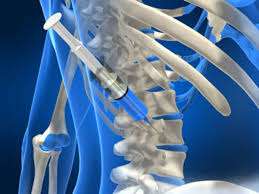
Pituitary apoplexy arises from sudden hemorrhage or infarction within the pituitary gland usually affecting existing pituitary tumors. This endocrine emergency manifests abruptly causing severe headache and visual impairment due to optic nerve involvement.
- The hallmark symptoms include rapid onset headache possibly accompanied by nausea/vomiting plus deteriorating vision such as double vision or field defects.
- This condition is diagnosed via urgent MRI imaging revealing bleeding into a pituitary mass along with hormonal assays indicating pituitary hormone deficiencies.
- Treatments involve stabilization using high-dose corticosteroids followed by possible surgical decompression depending on severity.
- The prognosis depends on promptness of diagnosis; many patients recover well when managed swiftly though some require long-term hormone replacement therapies.
A clear understanding that intense headaches with visual changes need immediate evaluation can prevent lasting neurological damage from this rare but critical event affecting the endocrine system.
HYPEROSMOLAR HYPERGLYCEMIC STATE (HHS)

The hyperosmolar hyperglycemic state is a severe complication mostly seen in type 2 diabetes characterized by extremely high blood sugar levels leading to dehydration without significant ketosis. It needs prompt diagnosis and treatment due to its high risk for serious outcomes if delayed.
- Symptoms include excessive urination resulting in profound dehydration, weakness, altered mental status ranging from confusion to coma.
- The causes often relate to infections or other illnesses that increase stress hormones opposing insulin effects.
- The diagnosis requires very high plasma glucose (>600 mg/dL), elevated osmolality (>320 mOsm/kg), minimal ketones.
- Treatment consists mainly of gradual rehydration with intravenous fluids combined with monitored insulin administration.
- The expected course involves close monitoring for electrolyte imbalances and neurological changes during recovery period.
This syndrome highlights the importance of maintaining adequate hydration and recognizing early signs in vulnerable diabetic patients for timely intervention preventing fatal outcomes.
}
HYPOGLYCEMIA IN DIABETES

Hypoglycemia occurs when blood sugar drops below normal levels causing various warning signs. It is a frequent acute problem among people taking insulin or certain diabetes medications requiring careful management to avoid emergencies.
- Signs & Symptoms: Sweating, shakiness, hunger sensation, confusion, irritability; severe cases lead to seizures or loss of consciousness.
- Main Causes: Skipped meals, excessive physical activity without adjusting medication doses or insulin overdose are common triggers.
- Diagnosis: Measured by low plasma glucose during symptomatic episodes confirmed clinically with improvement after glucose intake (Whipple’s triad).
- Treatment Approaches: Immediate consumption of fast-acting carbohydrates like juice or glucose tablets followed by longer-acting carbs; glucagon injection if unconsciousness occurs;
ADRENAL CRISIS

An adrenal crisis refers to an acute deficiency of cortisol hormone due to failure of the adrenal glands or sudden withdrawal of steroids. This condition demands immediate emergency treatment as it can rapidly become fatal if untreated.
- Symptoms: Severe fatigue, low blood pressure leading to dizziness or collapse, abdominal pain, nausea or vomiting.
- Triggers: Stressful events such as infection or surgery; abrupt cessation of corticosteroid therapy in known adrenal insufficiency patients.
- Diagnosis: Clinical suspicion based on symptoms supported by low serum cortisol levels and electrolyte imbalances like hyponatremia and hyperkalemia.
- Treatment: Emergency intravenous hydrocortisone replacement along with fluids for shock correction; treat underlying cause concurrently.
- Prognosis: Rapid response usually leads to recovery but delays can result in severe complications including death.
If you have known adrenal insufficiency or are on steroid treatment long-term, recognizing the signs of adrenal crisis can be lifesaving through swift hospital care.
DIABETIC KETOACIDOSIS (DKA)

Diabetic ketoacidosis is a serious acute complication of diabetes characterized by high blood sugar levels combined with ketone buildup causing blood acidity. It occurs most commonly in type 1 diabetes but can affect type 2 as well under stress conditions.
- Symptoms: Excessive thirst, frequent urination, nausea, abdominal pain, fruity-smelling breath, rapid breathing.
- Causes: Insulin deficiency often triggered by infection, missed insulin doses, or other illness.
- Diagnosis: Blood glucose tests showing hyperglycemia; urine or blood ketones presence; arterial blood gas for acidosis evaluation.
- Treatment: Urgent hospital admission for intravenous fluids, insulin therapy to lower glucose and ketones, electrolyte replacement especially potassium.
- Expectations: Monitoring in intensive care may be required until metabolic balance is restored; education on prevention thereafter is critical.
Awareness of early DKA symptoms can prompt quick medical action that saves lives and reduces long-term complications from this endocrine emergency.
THYROID STORM

A thyroid storm is a rare but life-threatening complication of hyperthyroidism where your body experiences an extreme overproduction of thyroid hormones. This leads to sudden and severe symptoms needing urgent medical attention.
- Symptoms: High fever, rapid heartbeat, sweating, agitation, confusion, vomiting.
- Causes: Often triggered by infections, surgery, trauma, or stopping antithyroid medications suddenly.
- Diagnosis: Blood tests showing elevated thyroid hormones (T3/T4) and suppressed TSH; clinical scoring systems assist in severity assessment.
- Treatment: Immediate hospitalization with supportive care including beta-blockers to control heart rate, antithyroid drugs to reduce hormone production, corticosteroids, and fluid replacement.
- Outlook: Early recognition and aggressive management can significantly reduce mortality risk.
Prompt intervention is crucial in managing thyroid storm effectively and preventing complications. Understanding its acute nature helps patients appreciate the urgency of treatment.