
DrTanmay Kakkar
About Me
DrTanmay Kakkar
MBBS
Podiatrist
10 Years Experience
Biography
My Clinic
OPD Hours
| Monday | Morning | 10:00 AM | - | 02:00 PM |
| Evening | 06:00 PM | - | 09:00 PM | |
| Tuesday | Morning | 10:00 AM | - | 02:00 PM |
| Evening | 06:00 PM | - | 09:00 PM | |
| Wednesday | Morning | 10:00 AM | - | 02:00 PM |
| Evening | 06:00 PM | - | 09:00 PM | |
| Thursday | Morning | 10:00 AM | - | 02:00 PM |
| Evening | 06:00 PM | - | 09:00 PM | |
| Friday | Morning | 10:00 AM | - | 02:00 PM |
| Evening | 06:00 PM | - | 09:00 PM | |
| Saturday | Morning | 10:00 AM | - | 02:00 PM |
| Evening | 06:00 PM | - | 09:00 PM | |
| Sunday | Morning | 10:00 AM | - | 02:00 PM |
| Evening | 06:00 PM | - | 09:00 PM |
Treatments
Specialised care and treatments offered
SPORTS-RELATED FOOT INJURY REHABILITATION
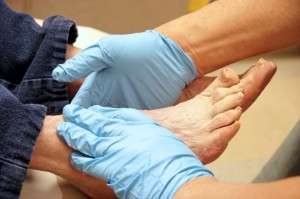
Athletes frequently encounter various overuse or traumatic injuries involving bones, ligaments, or muscles within feet. Rehabilitation emphasizes restoring function safely while minimizing downtime before resuming activity levels fully again.
- Common symptoms include: Localized pain worsened by movement plus swelling following activities involving impact or sudden twisting motions;
- Causes reflect: Stress fractures occurring from repeated loads; ankle sprains caused by abrupt inversion injuries during sports events;
- Diagnostic approach combines: Physical assessment coupled with imaging modalities like X-rays/MRIs identifying specific injury extent;
- Treatment components involve: Initial rest and ice application followed by progressive physiotherapy emphasizing range-of-motion exercises then strength training tailored individually;
- What patients can anticipate: gradual return toward pre-injury activity levels facilitated through professional supervision aiming at optimal recovery;
Diligent adherence throughout rehabilitation prevents chronic problems ensuring athletes regain full confidence in performance capability once healed completely.
.
BUNIONS (HALLUX VALGUS) CONSERVATIVE MANAGEMENT
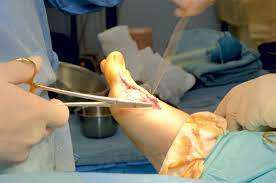
Bunions form when there is misalignment at the base joint of the big toe causing a visible bump which can become painful during walking or shoe wear. Conservative approaches aim at reducing discomfort without surgery initially.
- Symptoms include: Prominent bony bump on side inside big toe joint accompanied by redness and soreness when aggravated;
- Causes involve: Genetic predisposition combined with wearing narrow-toed or high-heeled shoes increasing pressure;
- Diagnosis entails: Clinical evaluation based on physical appearance plus patient history regarding footwear habits;
- Treatment focuses on: Using wider shoes that accommodate toe shape comfortably; use of bunion pads or splints especially at night; NSAIDs for inflammation;
- Expected outcomes include: Pain reduction and slowing deformity progression through diligent conservative measures;
Early lifestyle changes significantly contribute toward managing symptoms effectively while postponing need for invasive correction.
DIABETIC FOOT CARE
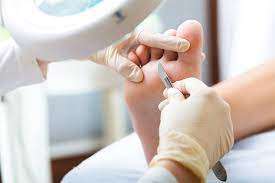
Caring for feet is crucial for diabetic patients due to increased risk of infections and ulcers which can lead to serious complications if untreated. Preventive strategies focus on maintaining healthy skin integrity and circulation.
- Symptoms monitored for: Numbness, tingling sensations indicating neuropathy; wounds that heal slowly or signs of infection such as redness or discharge.
- Main causes: Peripheral neuropathy combined with poor blood flow impair healing capacity in diabetes mellitus patients.
- Lifestyle-focused diagnosis includes: Regular visual foot inspections by healthcare providers alongside patient self-examination routines at home.
- Treatment/management options emphasize:: Strict glycemic control paired with daily moisturization to avoid cracks; protective footwear designed specifically for diabetics; prompt treatment of any lesions upon detection;
FLATFOOT (PES PLANUS) SUPPORTIVE THERAPY
The condition commonly known as flatfoot involves a reduced arch in the foot that can affect gait and posture. Many individuals live symptom-free but some experience discomfort or fatigue in their feet.
- Symptoms: Aching feet after extended standing or walking; sometimes swelling along the inner ankle area.
- Causes: Congenital structure variations, ligament laxity, or muscle weakness leading to arch collapse under weight-bearing conditions.
- Diagnosis: Physical examination focusing on foot posture and functionality; imaging may be used for complex cases.
- Treatment options: Custom orthotic insoles providing arch support, strengthening exercises for foot muscles, choosing supportive shoes with good cushioning.
- What to expect: Improved comfort with consistent use of supportive devices; exercises enhance foot stability over time.
Lifestyle adaptations play a significant role in managing symptoms effectively. Early intervention can prevent progression and related joint issues elsewhere in the body.
INGROWN TOENAIL CARE
An ingrown toenail occurs when the nail edge grows into the surrounding skin causing discomfort and sometimes infection. This condition is frequently seen in adolescents and adults alike.
- Symptoms: Painful redness, swelling around the nail border, sometimes accompanied by pus if infected.
- Causes: Improper nail trimming, tight shoes exerting pressure on toes, injury to the toenail area.
- Diagnosis: Visual inspection of affected toe identifying typical signs of inflammation and nail penetration into skin.
- Treatment options: Soaking feet in warm water with antiseptics, careful nail trimming techniques, wearing comfortable footwear; in some cases, minor office procedures may be needed for relief.
- What to expect: Non-surgical care usually resolves mild cases; persistent or severe cases might require partial nail removal under local anesthesia.
Early attention reduces complications and promotes faster healing. Proper foot hygiene and nail care are essential steps to avoid recurrence.
PLANTAR FASCIITIS MANAGEMENT
Plantar fasciitis is a common cause of heel pain resulting from inflammation of the thick band of tissue that connects the heel bone to the toes. This condition often develops due to strain and overuse.
- Symptoms: Sharp heel pain, especially with the first steps in the morning or after prolonged sitting.
- Causes: Overstretching of the plantar fascia due to high-impact activities, obesity, or improper footwear.
- Diagnosis: Clinical examination focusing on tenderness and pain location, sometimes supported by imaging tests like ultrasound.
- Treatment options: Rest, stretching exercises targeting the Achilles tendon and plantar fascia, use of orthotic shoe inserts, and anti-inflammatory medications.
- What to expect: Gradual improvement with adherence to lifestyle modifications; physical therapy may be recommended to prevent recurrence.
Proper management often leads to relief without surgery. Maintaining supportive footwear and avoiding excessive strain are key preventive steps.