
DrUK Jha
About Me
DrUK Jha
MD
Diabetologist
10 Years Experience
Biography
My Clinic
OPD Hours
| Monday | Morning | 10:00 AM | - | 02:00 PM |
| Evening | 06:00 PM | - | 09:00 PM | |
| Tuesday | Morning | 10:00 AM | - | 02:00 PM |
| Evening | 06:00 PM | - | 09:00 PM | |
| Wednesday | Morning | 10:00 AM | - | 02:00 PM |
| Evening | 06:00 PM | - | 09:00 PM | |
| Thursday | Morning | 10:00 AM | - | 02:00 PM |
| Evening | 06:00 PM | - | 09:00 PM | |
| Friday | Morning | 10:00 AM | - | 02:00 PM |
| Evening | 06:00 PM | - | 09:00 PM | |
| Saturday | Morning | 10:00 AM | - | 02:00 PM |
| Evening | 06:00 PM | - | 09:00 PM | |
| Sunday | Morning | 10:00 AM | - | 02:00 PM |
| Evening | 06:00 PM | - | 09:00 PM |
Treatments
Specialised care and treatments offered
NUTRITION COUNSELING FOR DIABETES

Nutrition plays a pivotal role in managing diabetes effectively. Tailored dietary plans help control blood sugar levels while promoting overall health and well-being among individuals living with this chronic condition.
- A registered dietitian will evaluate diets, emphasizing balanced meals that include whole grains, lean proteins, healthy fats, fruits, and vegetables while reducing refined carbohydrates’ intake;
- Education on portion sizes along with carbohydrate counting provides valuable skills necessary for everyday living;
- Regular follow-ups ensure continued support towards achieving individual dietary goals tailored specifically for each patient’s unique preferences;
- Healthy eating habits established now continue benefiting patients long-term regardless of changing circumstances concerning their condition over time;
Investing effort into nutrition counseling lays down beneficial foundations leading towards lasting improvements physically alongside enhancing mental resilience against challenges posed by managing chronic illnesses like Diabetes.
DIABETIC NEUROPATHY CARE
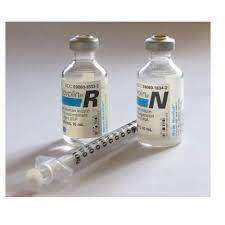
Diabetic neuropathy is nerve damage caused by prolonged high blood sugar levels. This complication often leads to pain or loss of sensation in extremities and requires careful management to maintain quality of life for those affected by it.
- The primary symptoms include brittle feet, numbness, tingling sensations, or pain in hands and feet due to nerve damage from uncontrolled glucose levels over time.
- A thorough medical history alongside physical examinations helps diagnose neuropathy; additional tests might be required depending on symptoms presented by the patient;
- Treatment focuses on controlling blood sugar through medication while also addressing specific neuropathic pain using therapies such as gabapentin or topical treatments like capsaicin cream;
- Routine foot care practices should become part of your daily routine since early intervention offers better outcomes;
Comprehensive care can greatly enhance life quality through mitigated pain experience among diabetic neuropathy patients.
CONTINUOUS GLUCOSE MONITORING (CGM)
Continuous Glucose Monitoring (CGM) systems provide real-time information about blood glucose levels throughout the day. This technology offers an advanced method for managing diabetes more effectively than traditional methods alone.
- The devices measure glucose levels every few minutes using a small sensor placed under the skin.
- This constant monitoring helps identify patterns that can guide treatment decisions more effectively than periodic fingerstick tests alone.
- Caution should be taken if CGM readings consistently show high or low glucose levels; immediate action might be necessary based on findings.
- Certain CGM systems come with alerts to warn users about potential hypoglycemic events before they occur further enhancing safety measures.
The insights provided by CGM technology empower patients to take control of their diabetes management actively and proactively minimize complications related to fluctuating sugar levels over time.
GESTATIONAL DIABETES MONITORING
Gestational diabetes occurs during pregnancy when the body cannot produce enough insulin. It’s important for both maternal and fetal health to monitor this condition closely throughout pregnancy.
- This type of diabetes may be asymptomatic, which is why testing around the 24th week of pregnancy is standard practice.
- A glucose tolerance test helps determine if there are issues with blood sugar control during pregnancy.
- Your care plan will often include dietary adjustments, exercise recommendations, and sometimes insulin therapy.
- Post-delivery, women should continue monitoring their blood sugar as they have an increased risk of developing type 2 diabetes later on.
With proper management, gestational diabetes can be effectively controlled, leading to healthier outcomes for both mother and baby.
PREDIABETES SCREENING
Prediabetes is a condition where blood sugar levels are higher than normal but not yet high enough for a diagnosis of type 2 diabetes. Early detection through screening can help prevent progression to full-blown diabetes.
- The condition may show no symptoms, making screening crucial for at-risk individuals.
- Diagnosis is achieved via fasting blood glucose tests or an HbA1c test that indicates average blood sugar levels over time.
- If diagnosed, lifestyle changes, including improved diet and increased physical activity, are recommended to reverse prediabetes.
- Educational programs focused on lifestyle modification can be highly effective in preventing diabetes onset.
Taking action early can make a significant difference in your health trajectory, helping avoid future complications associated with diabetes.
TYPE 1 DIABETES MANAGEMENT
Type 1 diabetes is a chronic condition where the pancreas produces little or no insulin. It typically appears in childhood or adolescence but can develop in adults as well. Managing this condition is crucial to maintaining health and preventing complications.
- Symptoms include excessive thirst, frequent urination, and unexplained weight loss.
- Diagnosis is typically made through blood tests that measure blood sugar levels.
- Treatment often requires daily insulin injections or the use of an insulin pump.
- Regular monitoring of blood glucose levels is essential for effective management.
- Dietary changes and consistent exercise play vital roles in management strategies.
Effective management can lead to a fulfilling life, minimizing health risks associated with Type 1 diabetes.