
Hari Charan DR
About Me
Hari Charan DR
DO
Ophthalmologist
10 Years Experience
Biography
My Clinic
OPD Hours
| Monday | Morning | 10:00 AM | - | 02:00 PM |
| Evening | 06:00 PM | - | 09:00 PM | |
| Tuesday | Morning | 10:00 AM | - | 02:00 PM |
| Evening | 06:00 PM | - | 09:00 PM | |
| Wednesday | Morning | 10:00 AM | - | 02:00 PM |
| Evening | 06:00 PM | - | 09:00 PM | |
| Thursday | Morning | 10:00 AM | - | 02:00 PM |
| Evening | 06:00 PM | - | 09:00 PM | |
| Friday | Morning | 10:00 AM | - | 02:00 PM |
| Evening | 06:00 PM | - | 09:00 PM | |
| Saturday | Morning | 10:00 AM | - | 02:00 PM |
| Evening | 06:00 PM | - | 09:00 PM | |
| Sunday | Morning | 10:00 AM | - | 02:00 PM |
| Evening | 06:00 PM | - | 09:00 PM |
Treatments
Specialised care and treatments offered
DRY EYE SYNDROME TREATMENT
A common condition characterized by insufficient tear production or excessive tear evaporation leading to discomfort and potential ocular surface damage if untreated. Proper care improves quality of life significantly.
- Symptoms/causes: Burning sensation, redness, foreign body feeling; causes include environmental factors, aging, medication side effects or systemic diseases like Sjogren’s syndrome.
- Diagnostic process: Detailed history review combined with clinical tests such as tear break-up time measurement highlights tear film instability.
- Therapeutic options: Artificial tears supplementation; prescription medications reducing inflammation; lifestyle modifications including humidifiers & screen use breaks;
- Expected results: Most patients experience symptomatic relief though chronic cases might require ongoing management.
A personalized treatment plan helps restore comfort while protecting the ocular surface from complications associated with dry eyes over time.
COMPREHENSIVE PEDIATRIC EYE EXAMS
Pediatric eye exams are foundational for identifying visual issues that could affect learning and development during childhood. Early recognition ensures timely treatment preventing long-term deficits.
- Importance: Many childhood visual disorders do not present obvious symptoms yet can hinder academic performance if unaddressed.
- Components: Include assessing refractive errors (like nearsightedness), binocular vision efficiency, ocular alignment checks for strabismus detection.
- Interventions: Prescription eyewear, patching therapy for amblyopia ('lazy eye'), or referral for specialized medical treatment as needed.
- Follow-up strategy: Periodic evaluations cater to growing children's changing visual needs ensuring optimal outcomes.
Scheduling regular pediatric eye evaluations supports healthy visual development which forms a critical basis for overall child growth milestones.
AGE-RELATED MACULAR DEGENERATION (AMD) MONITORING
This condition affects the macula—the central part of the retina—leading primarily to central vision loss among older adults. Close observation helps in managing its progression effectively.
- Main contributors/symptoms: Aging-related degeneration; patients may notice distortion in straight lines or a dark spot in their central field of view.
- Evolving diagnosis methods: Fundus photography, OCT imaging, and visual acuity tests facilitate disease staging and activity assessment.
- Treatment pathways: Depend on whether AMD is dry (nutritional supplements) or wet form (anti-VEGF injections), aimed at limiting further deterioration;
CATARACT EVALUATION AND SURGERY
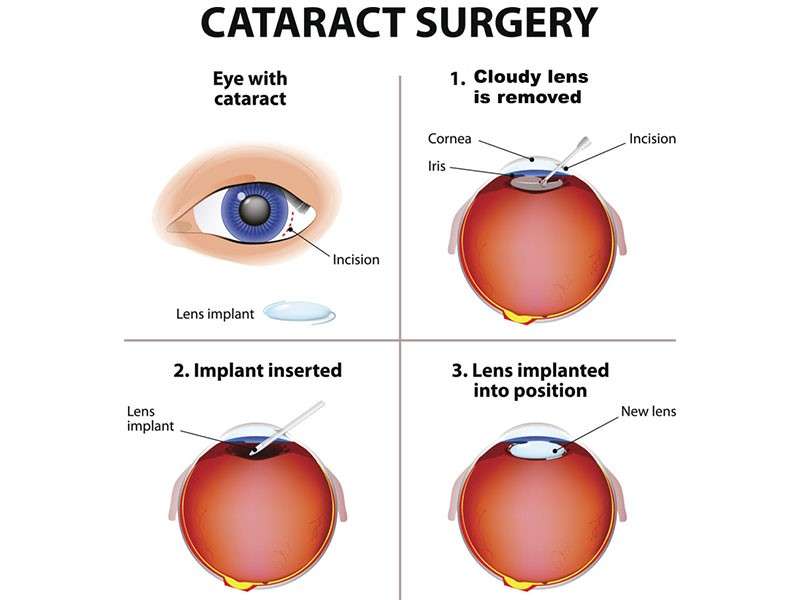
Cataracts refer to clouding of the natural lens inside the eye leading to decreased vision over time. It commonly affects older adults but can develop due to various other factors as well.
- Sweeping overview: Progressive lens opacification causes symptoms such as glare, faded colors, difficulty reading, and blurry vision.
- Clinical Assessment: Visual acuity testing combined with slit lamp examination helps determine cataract severity and surgical candidacy.
- Treatment approach: Surgery involves removing the cloudy lens replacing it with an artificial intraocular lens (IOL) to restore clarity of vision effectively.
- Surgical expectations: The procedure is typically quick with minimal discomfort and high success rates returning functional sight shortly after recovery.
If cataracts begin impacting daily activities significantly, discussing surgical options with an eye care professional becomes important for maintaining independence and safety.
DIABETIC RETINOPATHY SCREENING
Diabetic retinopathy is a diabetes-related complication that affects blood vessels in the retina and may lead to vision impairment or blindness if untreated. Monitoring is crucial for diabetic patients to catch changes early.
- Symptoms/causes: High blood sugar levels damage retinal vessels; symptoms may be absent initially but progress to blurred vision or floaters.
- Diagnosis: Dilated retinal examination combined with imaging tests like fluorescein angiography or OCT scans helps detect retinal damage.
- Treatment options: Includes controlling blood sugar levels, laser photocoagulation, intravitreal injections, or vitrectomy in advanced cases.
- Preventive measures: Maintaining optimal glucose control and regular eye check-ups can delay or prevent onset of retinopathy.
Lifelong monitoring is essential for diabetics to protect eyesight by detecting retinopathy before irreversible damage occurs.
GLAUCOMA SCREENING AND MANAGEMENT
Glaucoma is a group of eye conditions that can cause damage to the optic nerve, often related to increased pressure inside the eye. Early detection is vital since vision loss from glaucoma is irreversible but preventable with timely care.
- Symptoms/causes: Often asymptomatic in early stages; risk factors include age, family history, and elevated intraocular pressure.
- Diagnosis: Comprehensive eye exams involving tonometry to measure eye pressure, optic nerve evaluation, and visual field testing.
- Treatment: May involve medicated eye drops, laser therapy, or surgery to reduce intraocular pressure and prevent further optic nerve damage.
- Management: Regular follow-ups are critical for monitoring progression and adjusting treatment plans accordingly.
- Expectations: With proper management, patients can preserve their vision and maintain quality of life despite the diagnosis.
A proactive approach toward glaucoma screening can significantly reduce the risk of permanent vision loss through early intervention and ongoing care.