
Jaipur Hand Surgery -
About Me
Jaipur Hand Surgery -
MBBS
General Physician
10 Years Experience
Biography
My Clinic
OPD Hours
| Monday | Morning | 10:00 AM | - | 02:00 PM |
| Evening | 06:00 PM | - | 09:00 PM | |
| Tuesday | Morning | 10:00 AM | - | 02:00 PM |
| Evening | 06:00 PM | - | 09:00 PM | |
| Wednesday | Morning | 10:00 AM | - | 02:00 PM |
| Evening | 06:00 PM | - | 09:00 PM | |
| Thursday | Morning | 10:00 AM | - | 02:00 PM |
| Evening | 06:00 PM | - | 09:00 PM | |
| Friday | Morning | 10:00 AM | - | 02:00 PM |
| Evening | 06:00 PM | - | 09:00 PM | |
| Saturday | Morning | 10:00 AM | - | 02:00 PM |
| Evening | 06:00 PM | - | 09:00 PM | |
| Sunday | Morning | 10:00 AM | - | 02:00 PM |
| Evening | 06:00 PM | - | 09:00 PM |
Treatments
Specialised care and treatments offered
COMMUNITY-ACQUIRED PNEUMONIA

Pneumonia acquired outside hospital settings results from infection-induced inflammation within lung tissue affecting gas exchange areas. It remains a significant cause of illness across all ages necessitating early diagnosis for effective treatment outcomes.
- Clinical manifestations often involve sudden onset fever , productive cough , chest pain especially pleuritic nature plus breathlessness .
- Etiology mainly includes Streptococcus pneumoniae among other bacteria ; viral causes also recognized particularly influenza viruses .
- Diagnostic approach entails physical examination highlighting abnormal breath sounds , chest X-ray confirming infiltrates .
- Therapeutic measures rely on appropriate antibiotics chosen based on local guidelines combined with supportive oxygen therapy depending severity showing hypoxia signs .
- Recovery expectations improve substantially when treatment begins promptly minimizing risk complications including sepsis .
Preventive vaccination remains key alongside public awareness about seeking timely consultation upon respiratory symptom emergence mitigating disease burden long-term .
ACUTE GASTROENTERITIS

This condition involves sudden inflammation of the stomach and intestines leading predominantly to diarrhea with possible vomiting. It’s frequently caused by infectious agents transmitted through contaminated food or water sources worldwide.
- Symptoms include nausea , abdominal cramps , watery diarrhea , dehydration risk especially dangerous for children , elderly .
- Causes generally viral pathogens (e.g., norovirus) dominate but bacteria , parasites must be considered based on history .
- Diagnosis normally depends on clinical presentation ; stool studies reserved for severe cases .
- Treatment stresses fluid replacement orally or intravenously for severe cases alongside dietary modifications avoiding irritants until recovery .
- Most episodes resolve spontaneously within days however monitor warning signs like bloody stools , persistent high fever .
Supportive care forms the cornerstone managing acute gastroenteritis whereas preventive measures focus largely on sanitation practices reducing incidence especially in vulnerable groups .
URINARY TRACT INFECTION (UTI)

A urinary tract infection results from microbial invasion of any part of the urinary system – kidneys, ureters, bladder or urethra – causing discomfort and potential complications if untreated. Early recognition improves outcomes significantly.
- Symptoms commonly feature burning sensation during urination (dysuria), frequent urge to urinate even when little passes (urgency), lower abdominal pain or cloudy urine presence. Bacterial entry via the urethra is the predominant cause; women are more prone due to anatomical factors.
Diagnosis relies on urine analysis including microscopy and culture identifying causative organisms.
Treatment typically consists of antibiotics tailored according to sensitivity profiles; hydration recommendations also support recovery.
Delays in treatment can escalate an infection resulting in pyelonephritis which may become life threatening so timely care seeking remains critical.
TYPE 2 DIABETES MELLITUS MANAGEMENT
This chronic metabolic disorder is characterized by high blood sugar resulting from insulin resistance and impaired insulin secretion. Proper control is vital to prevent serious health issues over time.
- The spectrum of symptoms includes increased thirst, frequent urination, fatigue, blurred vision, and slow healing wounds but may initially be subtle or absent.
- The condition develops due to genetic factors combined with lifestyle risks such as obesity and sedentary habits.
- A diagnosis involves fasting blood glucose tests, HbA1c measurements indicating average glucose over months, or oral glucose tolerance testing.
- The management plan incorporates lifestyle changes like diet modification and exercise alongside medications including metformin or insulin therapy if needed for effective glycemic control.
- An understanding of ongoing blood sugar monitoring plus complication screening, such as eye exams and kidney function tests helps maintain wellness and prevent progression.
Lifelong adherence to treatment protocols enhances quality of life and reduces the risk of cardiovascular events commonly associated with diabetes mellitus type 2.
HYPERTENSIVE CRISIS
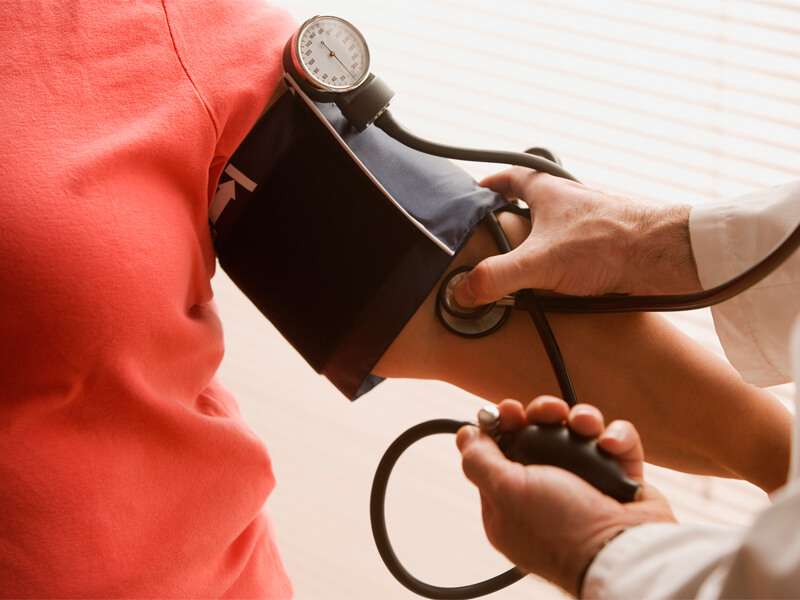
A hypertensive crisis occurs when blood pressure rises quickly and severely, posing immediate health risks such as stroke or heart attack. This emergency demands urgent medical evaluation and intervention.
- Symptoms may include severe headache, chest pain, shortness of breath, vision changes, or neurological deficits like weakness.
- The causes often involve uncontrolled high blood pressure due to medication non-compliance or underlying conditions like kidney disease.
- A diagnosis is made by measuring blood pressure readings above 180/120 mm Hg along with assessment for organ damage signs.
- The treatment consists of prompt administration of intravenous antihypertensive medications under close monitoring in a hospital setting to safely reduce blood pressure levels.
- If managed swiftly and appropriately, long-term outcomes can be favorable though close follow-up is essential to prevent recurrence.
This situation requires rapid response to avoid life-threatening complications; patients should seek emergency care immediately if symptoms arise.
ACUTE BRONCHITIS

Acute bronchitis is a common respiratory condition characterized by inflammation of the bronchial tubes that carry air to the lungs. It often develops following a cold or respiratory infection and leads to coughing and discomfort.
- Symptoms include persistent cough, production of mucus, wheezing, fatigue, and mild fever.
- Causes are mostly viral infections but can occasionally be bacterial or due to irritants like smoke.
- Diagnosis typically involves a physical examination, listening to the chest with a stethoscope, and sometimes chest X-rays if pneumonia is suspected.
- Treatment focuses on symptom relief through rest, fluids, cough suppressants, and in some cases, bronchodilators; antibiotics are usually not required unless bacterial infection is confirmed.
- Prognosis is generally good with most people recovering within two weeks without complications.
The management of acute bronchitis aims to ease symptoms while preventing spread and complications. Seeking medical advice for persistent or worsening symptoms is recommended.