
Jaipur Rehab Physioth
About Me
Jaipur Rehab Physioth
MBBS
General Physician
10 Years Experience
Biography
My Clinic
OPD Hours
| Monday | Morning | 10:00 AM | - | 02:00 PM |
| Evening | 06:00 PM | - | 09:00 PM | |
| Tuesday | Morning | 10:00 AM | - | 02:00 PM |
| Evening | 06:00 PM | - | 09:00 PM | |
| Wednesday | Morning | 10:00 AM | - | 02:00 PM |
| Evening | 06:00 PM | - | 09:00 PM | |
| Thursday | Morning | 10:00 AM | - | 02:00 PM |
| Evening | 06:00 PM | - | 09:00 PM | |
| Friday | Morning | 10:00 AM | - | 02:00 PM |
| Evening | 06:00 PM | - | 09:00 PM | |
| Saturday | Morning | 10:00 AM | - | 02:00 PM |
| Evening | 06:00 PM | - | 09:00 PM | |
| Sunday | Morning | 10:00 AM | - | 02:00 PM |
| Evening | 06:00 PM | - | 09:00 PM |
Treatments
Specialised care and treatments offered
ANEMIA EVALUATION
Anemia occurs when there is a decreased number of red blood cells or hemoglobin leading to reduced oxygen delivery throughout the body. Identifying its cause helps guide effective treatment strategies tailored to individual needs.
GENERAL HEALTH CHECK-UP

A comprehensive health check-up involves a series of evaluations designed to assess overall well-being and detect potential issues before symptoms arise. Routine check-ups support proactive healthcare management across all age groups.
- Screens Multiple Systems: Includes assessment of vital signs, general physical exam, lab tests depending on age/risk profile like blood sugar and cholesterol levels.
- Covers Preventive Measures: Immunizations review; counseling on nutrition, exercise habits; mental health screening when appropriate.
- Elderly Focused Evaluations:
SEASONAL INFLUENZA VACCINATION
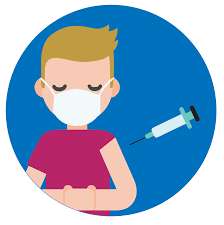
The flu vaccine is a preventive measure designed annually to protect against the most common influenza virus strains. Vaccination helps reduce the severity of illness and limits virus spread within communities.
- Symptoms and Causes: Influenza causes fever, cough, body aches; virus transmission occurs via respiratory droplets from infected individuals.
- Diagnosis: Usually clinical during flu season; laboratory testing reserved for severe cases or hospital patients.
- Treatment/Management: Annual vaccination is primary prevention; antiviral medications available if infection occurs early in illness course.
- What to Expect: Mild side effects such as soreness at injection site possible; significantly decreased risk of influenza-related complications post-vaccination.
The flu shot plays an important role in maintaining public health especially among vulnerable populations like seniors or those with chronic illnesses.
LIPID PROFILE SCREENING
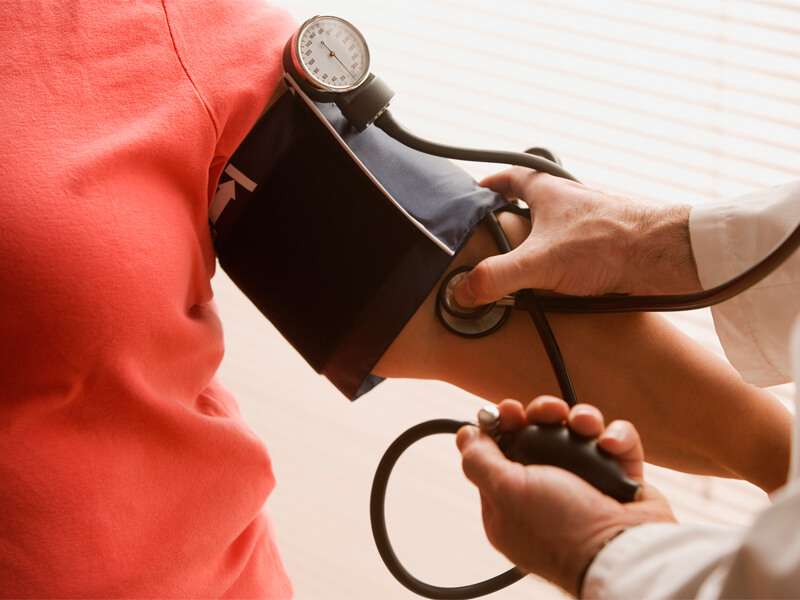
A lipid profile measures cholesterol types in the blood to assess cardiovascular health risks. Abnormal lipid levels are major contributors to heart disease but can be managed effectively once identified.
- Symptoms and Causes: Usually no symptoms; related to diet high in saturated fats, genetics, obesity, or other metabolic conditions.
- Diagnosis: Blood test measuring total cholesterol, HDL (good cholesterol), LDL (bad cholesterol), and triglycerides after fasting.
- Treatment/Management: Dietary improvements focusing on heart-healthy foods; regular exercise; medication like statins if indicated by risk factors.
- What to Expect: Periodic testing for tracking progress; reduction in cardiovascular event risks with consistent management efforts.
A proactive approach in monitoring and modifying lipid levels promotes long-term heart health and prevents disease progression.
DIABETES MELLITUS TYPE 2 SCREENING
Type 2 diabetes is a chronic condition characterized by elevated blood sugar levels due to insulin resistance. Early detection through screening can prevent complications and improve quality of life.
- Symptoms and Causes: Increased thirst, frequent urination, fatigue; influenced by obesity, sedentary lifestyle, and genetics.
- Diagnosis: Blood tests such as fasting glucose, HbA1c, or oral glucose tolerance test are used for confirmation.
- Treatment/Management: Emphasis on dietary changes, physical activity enhancement, weight control; medications or insulin therapy as needed.
- What to Expect: Regular follow-ups for blood sugar monitoring; education on managing medications and lifestyle adjustments.
Lifestyle intervention combined with medical care plays a vital role in controlling diabetes and reducing the risk of serious complications over time.
HYPERTENSION SCREENING AND MANAGEMENT
High blood pressure often develops without noticeable symptoms, making routine screening essential for early detection. Managing hypertension effectively reduces the risk of serious cardiovascular complications.
- Symptoms and Causes: Commonly asymptomatic, but may cause headaches or dizziness; caused by genetics, lifestyle, or medical conditions.
- Diagnosis: Regular blood pressure measurements using automated or manual devices on multiple visits to confirm diagnosis.
- Treatment/Management: Lifestyle modifications such as diet, exercise, and stress management; medications may be prescribed based on severity.
- What to Expect: Ongoing monitoring to adjust treatment; improved heart health and prevention of strokes or heart attacks with adherence to therapy.
Early identification and comprehensive management empower patients to maintain healthy blood pressure levels and overall well-being.