
Jason LaMonte
About Me
Jason LaMonte
Pathologist
10 Years Experience
Biography
My Clinic
OPD Hours
| Monday | Morning | 10:00 AM | - | 02:00 PM |
| Evening | 06:00 PM | - | 09:00 PM | |
| Tuesday | Morning | 10:00 AM | - | 02:00 PM |
| Evening | 06:00 PM | - | 09:00 PM | |
| Wednesday | Morning | 10:00 AM | - | 02:00 PM |
| Evening | 06:00 PM | - | 09:00 PM | |
| Thursday | Morning | 10:00 AM | - | 02:00 PM |
| Evening | 06:00 PM | - | 09:00 PM | |
| Friday | Morning | 10:00 AM | - | 02:00 PM |
| Evening | 06:00 PM | - | 09:00 PM | |
| Saturday | Morning | 10:00 AM | - | 02:00 PM |
| Evening | 06:00 PM | - | 09:00 PM | |
| Sunday | Morning | 10:00 AM | - | 02:00 PM |
| Evening | 06:00 PM | - | 09:00 PM |
Services
Specialised care and treatments offered
URINALYSIS
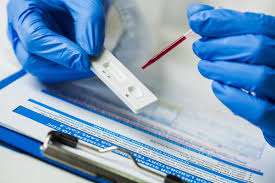
A urinalysis provides essential information about your overall health by analyzing urine samples for specific elements that can indicate various medical issues. Routine urinalyses help detect conditions such as urinary tract infections (UTIs), kidney disease, diabetes, and even dehydration. Understanding what happens during this test sheds light on its significance in preventive healthcare strategies!
[Ul] Evaluative Measures–> Urine collected/processed accurately ensuring reliable interpretations derived distinguishing factor enough leading clarity diagnosable upon conclusions drawn&; [LI>]Treatment/Management Options: Guidance provided based upon found irregularities related affects along nutrition/increased body flux fluids & informing consequent physician-directed paths opened proactively reacting toward achieving upkeeping hydration principles thus promote enduring wellness over time”.THYROID FUNCTION TESTS
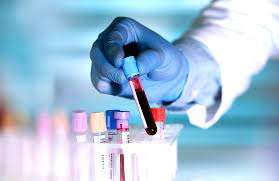
An evaluation known as thyroid function tests assesses how well your thyroid gland operates by measuring hormone levels in your blood. Essential hormones like TSH (Thyroid Stimulating Hormone), T3 and T4 are evaluated through these tests to diagnose issues such as hyperthyroidism or hypothyroidism effectively. Maintaining proper thyroid function is fundamental for metabolism regulation throughout the body!
BONE MARROW ASPIRATION
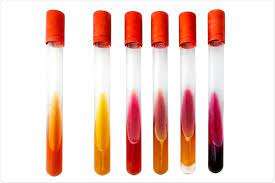
The process of bone marrow aspiration involves withdrawing fluid from bone marrow to assess blood cell production within the bones. This test is crucial for diagnosing disorders such as leukemia, anemia, and multiple myeloma. By examining the extracted sample under microscopic analysis, significant insights into hematological conditions can be achieved.
- Pertinent Symptoms: Signs may include unexplained fatigue, frequent infections, or easy bruising due to blood cell deficiencies.
- Selective Diagnosis: Guided by imaging studies like X-rays or CT scans which help identify suitable aspiration sites within larger bones like the hip or sternum.
- Treatment Planning: Results inform treatment pathways including chemotherapy or stem cell therapy based on specific diagnoses made from findings.
PAP SMEAR
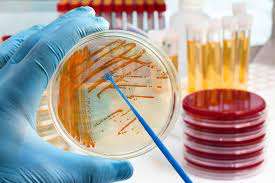
A Pap smear is a crucial screening test that detects abnormal cells in the cervix that could indicate cervical cancer. It plays an important role in preventing cervical cancer by allowing for early intervention when abnormalities are found. Regular screenings are recommended for women starting at age 21 or within three years of becoming sexually active.
- Signs to Monitor: Women should be alert for unusual bleeding or discharge—though many cases are asymptomatic initially.
- Efficacy of Diagnosis: The test is performed during routine pelvic exams and usually takes only a few minutes.
- Follow-Up Actions: Abnormal results may require additional testing such as HPV testing or biopsies for definitive diagnosis.
- Simplified Process: Patients often feel minimal discomfort and can resume normal activities immediately after the test.
This screening empowers women with knowledge about their reproductive health and encourages proactive care measures.
SKIN BIOPSY
A skin biopsy involves removing a small area of skin for further analysis. This diagnostic tool is essential for identifying skin conditions such as melanoma, basal cell carcinoma, and other dermatological disorders. By evaluating the sample under a microscope, pathologists can confirm diagnoses and recommend appropriate treatments.
- Symptoms Indicating Need: Unexplained growths, changes in moles, or persistent dermatitis may warrant a biopsy.
- Diagnosis Methods: The procedure can be performed using different techniques like punch biopsy or excisional biopsy depending on the situation.
- Treatment Planning: Results guide potential treatments ranging from topical therapies to surgical interventions if needed.
- Your Experience: Minimal discomfort is expected during the procedure with healing typically occurring quickly thereafter.
This vital process not only aids in diagnosis but also helps assure patients about their skin health.
LIVER BIOPSY
A liver biopsy is a procedure where a small sample of liver tissue is removed for examination under a microscope. This allows pathologists to diagnose various liver diseases, including hepatitis, cirrhosis, and liver cancer. The biopsy can provide critical information on the severity and cause of liver conditions.
- Common Symptoms: Patients may experience jaundice, fatigue, abdominal pain, or swelling.
- Diagnosis Process: Imaging tests such as ultrasound or CT scans often precede the biopsy to locate the area needing sampling.
- Treatment Options: Management may involve medication for underlying conditions or lifestyle changes to improve liver health.
- What to Expect: A local anesthetic is administered before the biopsy; recovery typically involves minimal discomfort.
This procedure plays a crucial role in understanding liver health and guiding treatment plans effectively.