
JOSHI DENTAL CLINIC
About Me
JOSHI DENTAL CLINIC
MBBS
General Physician
10 Years Experience
Biography
My Clinic
OPD Hours
| Monday | Morning | 10:00 AM | - | 02:00 PM |
| Evening | 06:00 PM | - | 09:00 PM | |
| Tuesday | Morning | 10:00 AM | - | 02:00 PM |
| Evening | 06:00 PM | - | 09:00 PM | |
| Wednesday | Morning | 10:00 AM | - | 02:00 PM |
| Evening | 06:00 PM | - | 09:00 PM | |
| Thursday | Morning | 10:00 AM | - | 02:00 PM |
| Evening | 06:00 PM | - | 09:00 PM | |
| Friday | Morning | 10:00 AM | - | 02:00 PM |
| Evening | 06:00 PM | - | 09:00 PM | |
| Saturday | Morning | 10:00 AM | - | 02:00 PM |
| Evening | 06:00 PM | - | 09:00 PM | |
| Sunday | Morning | 10:00 AM | - | 02:00 PM |
| Evening | 06:00 PM | - | 09:00 PM |
Treatments
Specialised care and treatments offered
URINARY TRACT INFECTION (UTI)

A urinary tract infection affects any part of the urinary system including kidneys, bladder, or urethra. It results from bacterial invasion causing discomfort and urinary symptoms.
- Main symptoms: Burning sensation during urination, frequent urge to urinate with little output, cloudy or strong-smelling urine;
- The causes typically involve bacteria entering the urethra from the skin around the genitals;
ACUTE GASTROENTERITIS
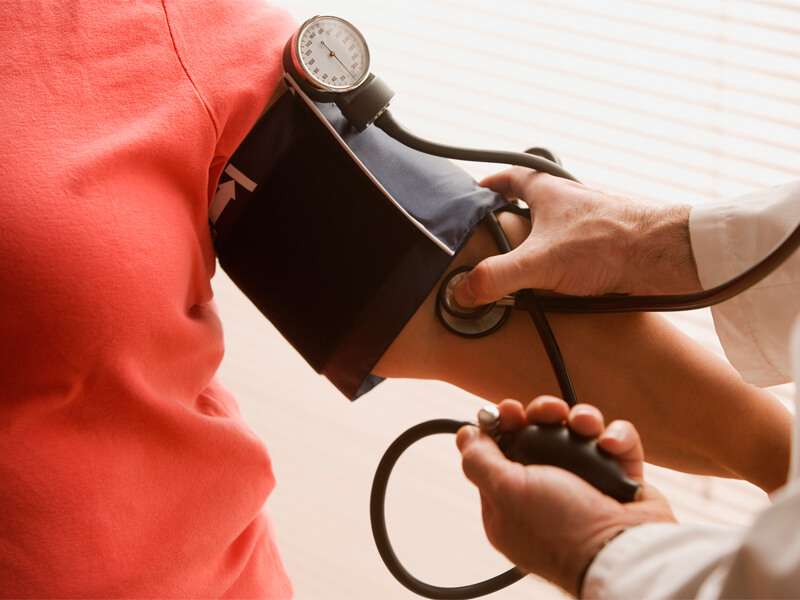
This condition refers to an inflammation of the stomach and intestines leading to symptoms that develop quickly. It’s commonly caused by viral infections but can be bacterial as well.
- Symptoms include: Diarrhea, vomiting, abdominal cramps, fever, and dehydration signs like dry mouth or dizziness.
- Diagnostic methods: Usually diagnosed clinically based on symptom history; stool tests may be required if bacterial cause is suspected.
- Treatment focus: Maintaining hydration with oral rehydration solutions; antibiotics are not routinely needed unless bacterial infection confirmed.
- Avoiding complications: Monitoring especially in children and elderly for severe dehydration requiring intravenous fluids.
Adequate fluid replacement and rest constitute the cornerstone of management allowing most people to recover fully within days without further treatment needed.
HYPERTENSIVE CRISIS
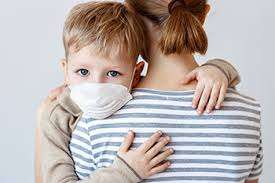
A hypertensive crisis represents a sudden and severe rise in blood pressure which can lead to serious health risks. Immediate attention is crucial to prevent organ damage.
- Symptoms and causes: Severe headache, chest pain, shortness of breath, vision changes, or neurological deficits may indicate dangerously high blood pressure levels caused by uncontrolled hypertension or medication non-compliance.
- Diagnosis: Blood pressure measurement confirming readings above 180/120 mm Hg alongside clinical assessment for organ damage signs.
- Treatment approaches: Rapid but controlled blood pressure reduction using medications administered orally or intravenously depending on severity.
- Ongoing management: Identifying underlying triggers such as medication issues or kidney problems is essential for preventing future crises.
This emergency requires immediate medical intervention to avert life-threatening complications like stroke or heart attack. Education on proper medication adherence plays a major role in prevention.
ACUTE BRONCHITIS

Acute bronchitis is a common respiratory condition that involves inflammation of the bronchial tubes, which carry air to your lungs. It often occurs following a cold or respiratory infection.
- Symptoms and causes: Persistent cough, production of mucus, wheezing, fatigue, and sometimes low-grade fever usually signal bronchitis caused by viral infections.
- Diagnosis: Clinical evaluation includes physical examination and listening to the lungs with a stethoscope; chest X-rays are only needed if pneumonia is suspected.
- Treatment options: Most cases resolve without antibiotics; symptom relief through rest, fluids, cough suppressants, and avoiding irritants is key.
- Management tips: Avoid smoking and exposure to secondhand smoke as they can prolong recovery or worsen symptoms.
- What to expect: Symptoms typically improve within two weeks but cough may linger; seek medical advice if symptoms worsen or high fever develops.
This condition usually resolves spontaneously with supportive care but understanding its course helps reduce unnecessary antibiotic use and prevents complications.