
Nirish Agarwal Dr
About Me
Nirish Agarwal Dr
MBBS
General Physician
10 Years Experience
Biography
My Clinic
OPD Hours
| Monday | Morning | 10:00 AM | - | 02:00 PM |
| Evening | 06:00 PM | - | 09:00 PM | |
| Tuesday | Morning | 10:00 AM | - | 02:00 PM |
| Evening | 06:00 PM | - | 09:00 PM | |
| Wednesday | Morning | 10:00 AM | - | 02:00 PM |
| Evening | 06:00 PM | - | 09:00 PM | |
| Thursday | Morning | 10:00 AM | - | 02:00 PM |
| Evening | 06:00 PM | - | 09:00 PM | |
| Friday | Morning | 10:00 AM | - | 02:00 PM |
| Evening | 06:00 PM | - | 09:00 PM | |
| Saturday | Morning | 10:00 AM | - | 02:00 PM |
| Evening | 06:00 PM | - | 09:00 PM | |
| Sunday | Morning | 10:00 AM | - | 02:00 PM |
| Evening | 06:00 PM | - | 09:00 PM |
Treatments
Specialised care and treatments offered
GASTROESOPHAGEAL REFLUX DISEASE (GERD)
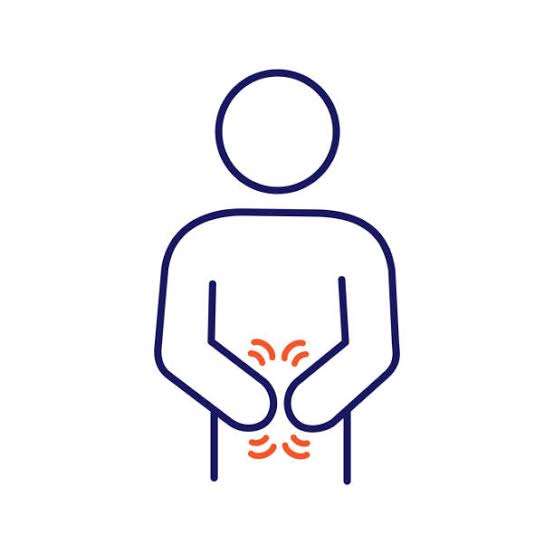
A chronic digestive disorder where stomach acid frequently flows back into the tube connecting mouth and stomach (esophagus), causing discomfort. Management focuses on symptom relief and complication prevention.
- Typical symptoms : Heartburn sensation after meals often worsening when lying down along with regurgitation & occasional chest pain
- Underlying cause : Dysfunctional lower esophageal sphincter allows acid reflux irritating esophageal lining
- Diagnostic tools : Clinical assessment supplemented by endoscopy or pH monitoring if necessary for confirmation
- Treatment plan : Lifestyle modifications including diet changes & weight reduction plus antacids or proton pump inhibitors prescribed as needed
Long-term compliance reduces risk of esophageal damage while improving daily comfort significantly for GERD sufferers
IRON DEFICIENCY ANEMIA

This condition arises due to insufficient iron causing reduced production of healthy red blood cells. It frequently leads to fatigue and decreased physical capacity across all age groups.
- Syndrome presentation: Symptoms include weakness, pallor, shortness of breath especially on exertion due to decreased oxygen delivery throughout the body.
- Causative reasons: Blood loss (menstruation or gastrointestinal), poor dietary intake or absorption impair iron stores critically needed for hemoglobin synthesis.
- Evidentiary diagnosis:
OSTEOARTHRITIS

A degenerative joint disorder characterized by breakdown of cartilage leading to pain and stiffness primarily in older adults. It affects mobility and daily functioning over time.
- Main features: Joint pain worsens with activity; commonly affects knees, hips and hands with swelling sometimes present.
- Causation factors: Aging process combined with previous injuries or repetitive joint stress contribute significantly.
- Diagnosis methods: Clinical examination supported by X-rays showing joint space narrowing confirms diagnosis.
- Treatment modalities: Pain relievers, physical therapy exercises to strengthen muscles around joints; lifestyle modifications are vital parts of management. Surgical options exist for severe cases.
A comprehensive care plan allows many patients to maintain an active lifestyle despite osteoarthritis challenges.
ACUTE UPPER RESPIRATORY TRACT INFECTION
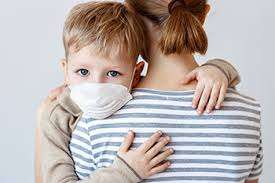
An acute upper respiratory tract infection (URTI) involves inflammation of the nasal passages, throat or sinuses caused mainly by viruses. It is one of the most frequent reasons people seek medical advice.
- Common symptoms: Sneezing, sore throat, nasal congestion, cough and mild fever typically appear suddenly.
- Causative agents: Mostly viral pathogens like rhinoviruses; bacterial infections are less common but possible.
- Treatment approach: Symptomatic treatment with rest, hydration, pain relievers; antibiotics only if bacterial infection confirmed.
- Disease course: Most URTIs resolve within 7-10 days without complications when properly managed at home or under medical supervision.
The condition usually requires supportive care and rarely leads to serious issues when treated appropriately early on.
TYPE 2 DIABETES MELLITUS
This metabolic disorder results from the body's ineffective use of insulin, leading to elevated blood glucose levels. Early recognition is crucial for preventing complications.
- Symptoms/causes: Increased thirst, frequent urination, fatigue; risk factors include obesity, sedentary lifestyle, and family history.
- Diagnostic tests: Blood sugar tests such as fasting plasma glucose or HbA1c provide definitive diagnosis.
- Treatment strategies: Combined approach involving dietary management, regular physical activity, oral hypoglycemics or insulin therapy.
- Expected outcome: Proper glycemic control helps prevent nerve damage, cardiovascular issues, and vision loss.
Lifelong commitment to treatment significantly improves quality of life for those affected by type 2 diabetes.
HYPERTENSION
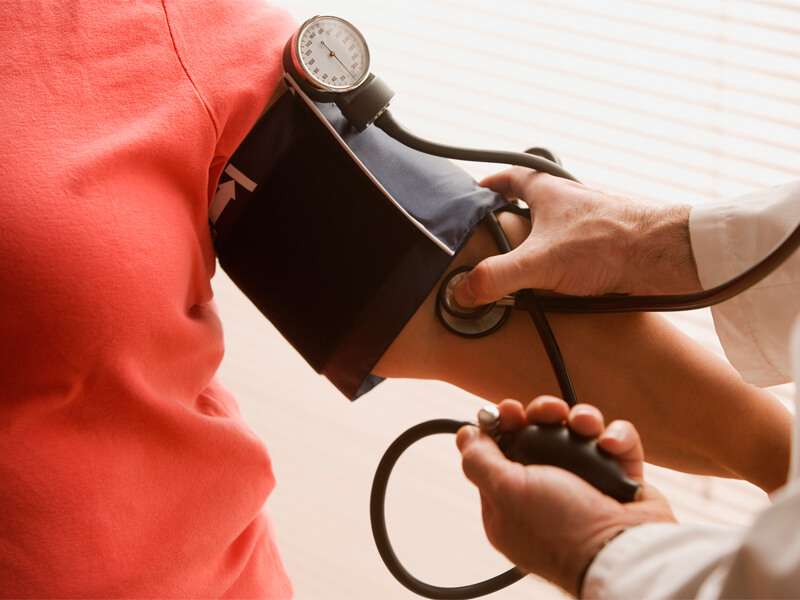
High blood pressure, or hypertension, is a common condition where the force of blood against artery walls is consistently too high. It can lead to serious health issues if left unmanaged.
- Symptoms and causes: Often called the 'silent killer', it may have no symptoms but risk factors include obesity, stress, genetics, and poor diet.
- Diagnosis: Regular blood pressure measurements using a sphygmomanometer are essential for accurate detection.
- Treatment options: Lifestyle changes like dietary adjustments and exercise paired with prescribed medications help control blood pressure.
- Management: Ongoing monitoring and adherence to therapy reduce risks of stroke, heart attack, and kidney disease.
With proper care, individuals with hypertension can maintain a healthy lifestyle and minimize complications.