
Padmashree Dr Keiki R Mehta
About Me
Padmashree Dr Keiki R Mehta
Ophthalmologist
Biography
My Clinic
OPD Hours
| Tuesday | Morning | 10:00 AM | - | 02:00 PM |
| Evening | 06:00 PM | - | 09:00 PM | |
| Wednesday | Morning | 10:00 AM | - | 02:00 PM |
| Evening | 06:00 PM | - | 09:00 PM | |
| Thursday | Morning | 10:00 AM | - | 02:00 PM |
| Evening | 06:00 PM | - | 09:00 PM | |
| Friday | Morning | 10:00 AM | - | 02:00 PM |
| Evening | 06:00 PM | - | 09:00 PM | |
| Saturday | Morning | 10:00 AM | - | 02:00 PM |
| Evening | 06:00 PM | - | 09:00 PM | |
| Sunday | Morning | 10:00 AM | - | 02:00 PM |
| Evening | 06:00 PM | - | 09:00 PM | |
| Thursday | Morning | 10:00 AM | - | 02:00 PM |
| Evening | 06:00 PM | - | 09:00 PM |
Treatments
Specialised care and treatments offered
DIABETIC RETINOPATHY SCREENING
Diabetic Retinopathy is a serious complication resulting from diabetes that affects the blood vessels in the retina. Early detection through screening plays a crucial role in preventing severe vision loss associated with this condition.
- Evolving symptoms, like blurred vision or sudden changes in sight might indicate developing diabetic retinopathy; however, many individuals remain asymptomatic initially until extensive damage occurs.”
- Diagnosis relies upon dilating pupils during examinations allowing detailed assessments revealing vascular abnormalities arising due diabetes systems progressively causing retinal deterioration over time.”
- Treatment interventions range from laser treatments designed to stabilize diseased vessels up-to vitrectomy procedures addressing advanced cases where bleeding threatens sight redirection case by case tailored upkeep warranted maximally respective end-users needs.” / li >
Monitoring regularly enhances early identification potential thus mitigating risks surrounding this debilitating ocular condition faced increasingly among diabetics worldwide today.
PTERYGIUM REMOVAL
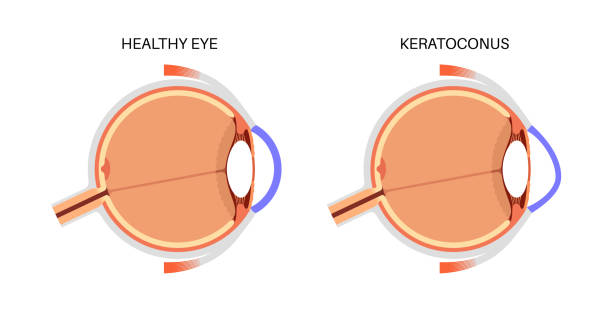
A pterygium is a growth on the conjunctiva that can extend onto the cornea and cause discomfort as well as visual impairment. It's commonly associated with UV exposure from sunlight.
- Symptoms include redness, irritation, and foreign body sensation similar to dryness; it may progress towards obscuring vision if untreated.
- Diagnosis generally entails visual examination done by an ophthalmologist who evaluates its size and location during routine checks.
- Treatment options consist mainly of surgical excision for larger pterygia; post-surgery medications may help minimize recurrence risks.
- Some patients might require regular check-ups post-removal to ensure no complications arise during recovery processes following surgery.
Timely intervention can prevent further growth while restoring comfort in daily activities affected by these growths around eyes.
AGE-RELATED MACULAR DEGENERATION (AMD) MANAGEMENT
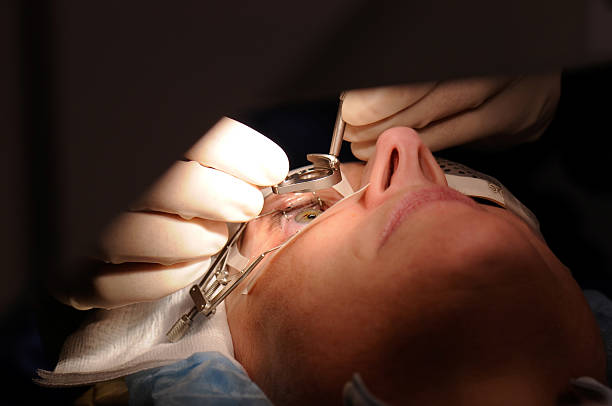
Age-related Macular Degeneration (AMD) affects central vision due to changes in the retina. It's usually seen in older adults and can manifest in either dry or wet forms.
- The most common symptoms include distorted visual perception where straight lines appear wavy, central vision loss affecting daily activities such as reading or driving.
- A comprehensive eye examination including retinal imaging aids in definitive diagnosis, highlighting areas of degeneration within the macula region of the retina.
- Treatment strategies may involve dietary changes rich in antioxidants, photodynamic therapy for wet AMD, or injections that counteract abnormal blood vessel growth under the retina.
- Lifelong monitoring is essential since AMD's progression varies widely among individuals; regular check-ups help guide treatment adjustments as necessary.
The aim is early intervention combined with ongoing support for preserving visual function as much as possible throughout life stages affected by this condition.
DRY EYE SYNDROME TREATMENT
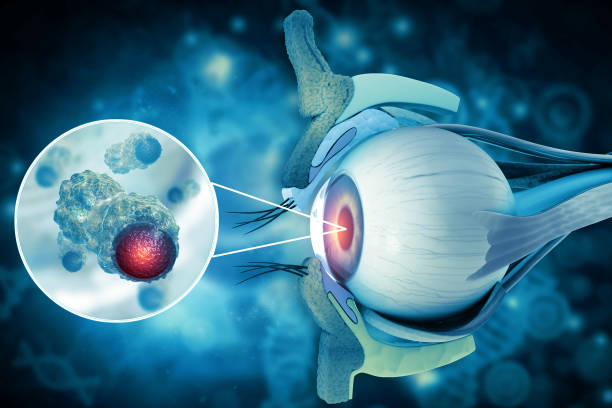
Dry Eye Syndrome occurs when tears are insufficient or of poor quality to keep the eyes lubricated. This can lead to discomfort and potential damage to the surface of the eyes if left untreated.
- Main symptoms include a gritty sensation, burning, redness, and excessive tearing occasionally as a compensatory mechanism.
- The diagnosis often involves tests that measure tear production and surface health of the eyes during an eye exam.
- Treatment may involve using artificial tears, medications that reduce inflammation or stimulate natural tear production, or punctal plugs that block tear drainage for extended lubrication effects.
- Lifestyle modifications such as reducing screen time and using humidifiers can also alleviate symptoms significantly.
The goal is not only symptom relief but also enhancement of overall ocular health through appropriate management strategies tailored individually.
GLAUCOMA TREATMENT
Glaucoma is often referred to as the 'silent thief of sight' because it typically progresses without noticeable symptoms until significant damage has occurred. It involves damage to the optic nerve usually associated with elevated intraocular pressure.
- Common symptoms include peripheral vision loss or tunnel vision in advanced stages; many patients do not notice any issues until significant damage has occurred.
- A thorough eye examination is crucial for diagnosis, which includes measuring intraocular pressure and assessing optic nerve health through imaging tests.
- Treatment options vary from prescription eye drops that reduce pressure to laser therapies or surgical procedures aimed at improving fluid drainage from the eye.
- Persistent monitoring is required since glaucoma often requires lifelong treatment and adjustments based on disease progression.
Early detection and management can help preserve vision effectively over time.
CATARACT SURGERY
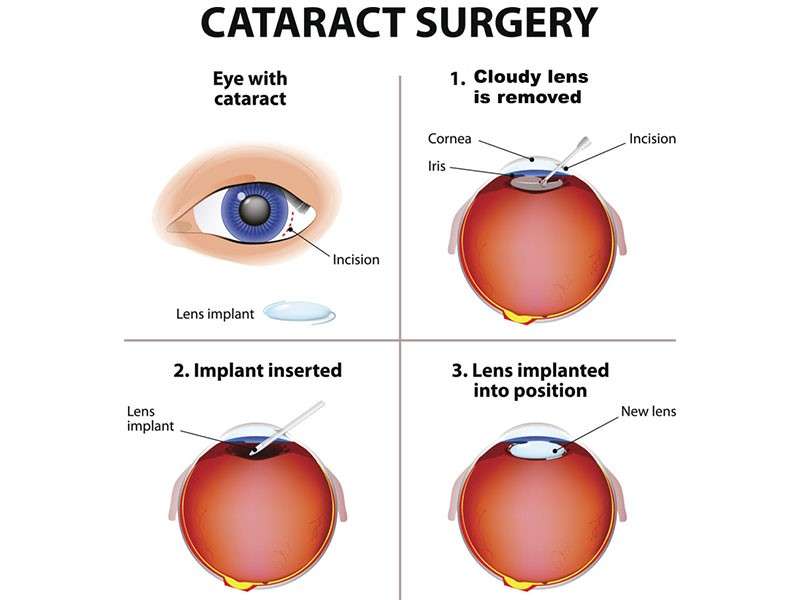
Cataract surgery is a procedure aimed at removing the cloudy lens of the eye, known as a cataract. This condition often develops with age, leading to blurred vision and difficulty seeing clearly.
- Symptoms of cataracts include hazy or blurred vision, difficulty with night vision, and sensitivity to bright lights.
- Diagnosis typically involves a comprehensive eye exam, where your ophthalmologist assesses visual acuity and examines the lens for cloudiness.
- Treatment primarily involves phacoemulsification, where ultrasound waves break up the cloudy lens, which is then replaced with an artificial intraocular lens.
- Post-operative management may include prescribed eye drops to prevent infection and inflammation, along with follow-up appointments to monitor healing.
- Patients can expect improved vision within days to weeks after surgery, though full recovery may take longer.
This procedure significantly enhances quality of life by restoring clear vision in most patients.