
Reviva Physiotherapy
About Me
Reviva Physiotherapy
MBBS
General Physician
10 Years Experience
Biography
My Clinic
OPD Hours
| Monday | Morning | 10:00 AM | - | 02:00 PM |
| Evening | 06:00 PM | - | 09:00 PM | |
| Tuesday | Morning | 10:00 AM | - | 02:00 PM |
| Evening | 06:00 PM | - | 09:00 PM | |
| Wednesday | Morning | 10:00 AM | - | 02:00 PM |
| Evening | 06:00 PM | - | 09:00 PM | |
| Thursday | Morning | 10:00 AM | - | 02:00 PM |
| Evening | 06:00 PM | - | 09:00 PM | |
| Friday | Morning | 10:00 AM | - | 02:00 PM |
| Evening | 06:00 PM | - | 09:00 PM | |
| Saturday | Morning | 10:00 AM | - | 02:00 PM |
| Evening | 06:00 PM | - | 09:00 PM | |
| Sunday | Morning | 10:00 AM | - | 02:00 PM |
| Evening | 06:00 PM | - | 09:00 PM |
Treatments
Specialised care and treatments offered
ROUTINE HEALTH CHECK-UP
A routine health check-up is essential preventive care aimed at detecting potential health issues before symptoms develop. It's valuable in maintaining long-term wellness across all ages.
- Key Components : Physical examination includes vital signs measurement (blood pressure, pulse), assessment of weight/BMI , vision/hearing screening .
- Laboratory Tests : General blood work such as complete blood count (CBC), lipid profile , fasting glucose helps evaluate organ functions .
- Additional Screenings : Depending on age/risk factors , tests like ECG , urine analysis , cancer screenings may be recommended .
- Benefits Expected : Early identification of diseases facilitates timely intervention improving prognosis ; promotes awareness about healthy lifestyle choices .
Incorporating regular check-ups into healthcare routines fosters proactive management enhancing quality of life over time through prevention-focused medicine .
THYROID FUNCTION TESTING

The thyroid gland regulates metabolism via hormone production. Disorders affecting this gland are common yet manageable upon timely diagnosis using specialized testing techniques.
- Syndrome Characteristics & Etiology: Hyperthyroidism causes weight loss and palpitations while hypothyroidism leads to fatigue and cold intolerance due to hormone imbalances from autoimmune disorders or iodine deficiency.
- Main Diagnostic Exams: Blood tests measuring TSH (thyroid-stimulating hormone), free T3/T4 hormones assist in determining thyroid activity status accurately.
- Therapeutic Options: Depending on dysfunction type: anti-thyroid drugs for overactivity or hormone replacement therapy for underactive glands are prescribed accordingly.
- Prognosis : Most patients achieve symptom control once hormone levels stabilize through medication adherence combined with periodic lab evaluations .
Monitoring thyroid health encourages prevention of long-term metabolic disturbances enhancing overall well-being following medical guidance closely .
CHRONIC OBSTRUCTIVE PULMONARY DISEASE (COPD) ASSESSMENT

COPD is a progressive lung disease often caused by exposure to irritants like tobacco smoke. Identifying this condition early improves quality of life through tailored interventions.
- Spectrum of Symptoms & Causes: Persistent cough, shortness of breath due to airway inflammation primarily linked with smoking history or environmental pollutants.
- Diagnostic Tools: Spirometry measures airflow obstruction confirming COPD diagnosis along with chest X-rays for lung evaluation.
- Treatment Strategies: Smoking cessation support, inhaled bronchodilators, corticosteroids plus pulmonary rehabilitation programs are mainstays of treatment.
- Lifestyle Expectations: Patients gain symptom relief but require ongoing management as COPD progresses slowly over time requiring adaptations in care plans.
Lifelong strategies including medication compliance and avoiding triggers significantly help maintain lung function and reduce exacerbation risks associated with COPD progression.
ANEMIA DIAGNOSIS AND CARE
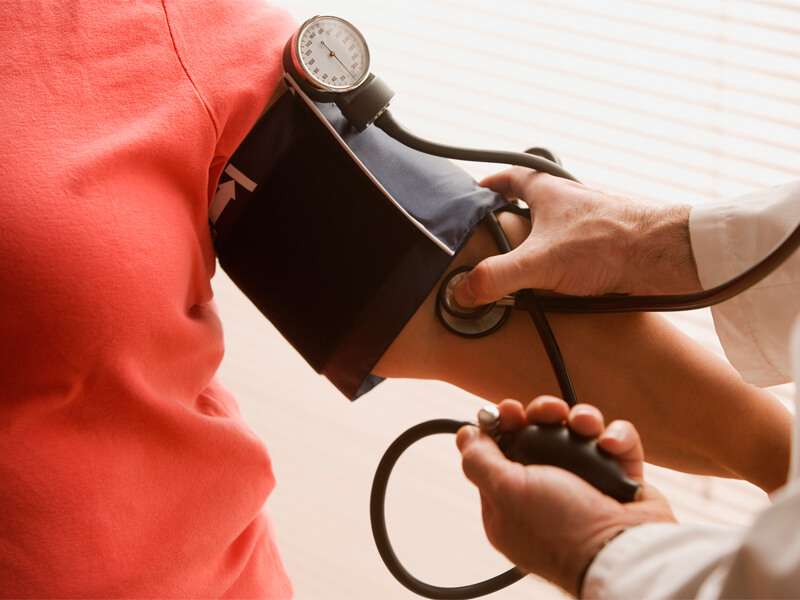
Anemia results from a diminished number of red blood cells or hemoglobin, leading to insufficient oxygen delivery throughout the body. It requires accurate assessment for appropriate treatment.
- Common Symptoms and Causes: Fatigue, pallor, shortness of breath; causes include nutritional deficiencies, chronic disease, or blood loss.
- Testing Procedures: Complete blood count (CBC) identifies low hemoglobin; additional tests determine specific types like iron-deficiency anemia.
- Treatment Modalities: Iron supplementation, vitamin B12 injections or addressing underlying conditions based on diagnosis findings.
- Treatment Outcomes: Symptom improvement typically follows correction of nutrient deficits or disease resolution; monitoring ensures treatment efficacy.
Tackling anemia promptly aids in restoring energy levels and overall wellbeing by ensuring oxygen delivery meets bodily demands effectively.
DIABETES MELLITUS EVALUATION

This metabolic disorder involves impaired blood sugar regulation that can lead to serious health issues if left unchecked. Early detection is key in preventing complications.
- Causes and Symptoms: Includes insulin resistance or deficiency; symptoms may involve frequent urination, excessive thirst, and fatigue.
- Diagnostic Tests: Fasting blood sugar levels, HbA1c tests provide insight into long-term glucose control.
- Treatment Approaches: Lifestyle changes such as dietary adjustments plus oral medications or insulin therapy depending on severity.
- Monitoring Expectations: Routine blood glucose monitoring helps maintain target levels and avoid hyperglycemia or hypoglycemia episodes.
A comprehensive management plan enables individuals with diabetes to lead healthy lives while minimizing complications through vigilant care.
HYPERTENSION MANAGEMENT
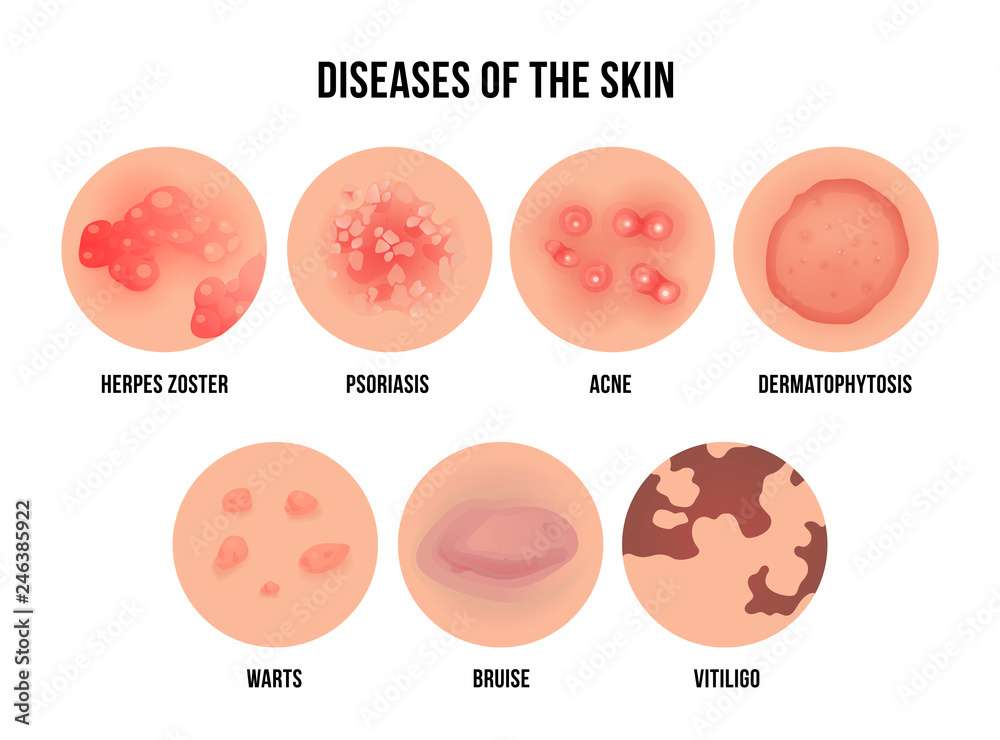
High blood pressure, or hypertension, is a common but serious condition that requires careful monitoring and management to prevent complications. Understanding how it affects your body is crucial for effective control.
- Symptoms and Causes: Often called the 'silent killer' since it usually has no symptoms; causes include genetics, lifestyle factors, and underlying conditions.
- Diagnosis: Blood pressure readings taken during multiple visits, ambulatory monitoring may be used to confirm persistent elevation.
- Treatment and Management: Lifestyle modifications such as diet and exercise alongside prescribed antihypertensive medications tailored individually.
- What to Expect: Regular follow-ups to assess blood pressure control and adjust therapy; managing risk factors to reduce cardiovascular events.
Effective hypertension control significantly reduces risks of heart attack, stroke, and kidney disease with proper adherence to treatment plans.