
Sailesh Lodha DR
About Me
Sailesh Lodha DR
MBBS
General Physician
10 Years Experience
Biography
My Clinic
OPD Hours
| Monday | Morning | 10:00 AM | - | 02:00 PM |
| Evening | 06:00 PM | - | 09:00 PM | |
| Tuesday | Morning | 10:00 AM | - | 02:00 PM |
| Evening | 06:00 PM | - | 09:00 PM | |
| Wednesday | Morning | 10:00 AM | - | 02:00 PM |
| Evening | 06:00 PM | - | 09:00 PM | |
| Thursday | Morning | 10:00 AM | - | 02:00 PM |
| Evening | 06:00 PM | - | 09:00 PM | |
| Friday | Morning | 10:00 AM | - | 02:00 PM |
| Evening | 06:00 PM | - | 09:00 PM | |
| Saturday | Morning | 10:00 AM | - | 02:00 PM |
| Evening | 06:00 PM | - | 09:00 PM | |
| Sunday | Morning | 10:00 AM | - | 02:00 PM |
| Evening | 06:00 PM | - | 09:00 PM |
Treatments
Specialised care and treatments offered
SEASONAL ALLERGIC RHINITIS CONTROL
This allergic reaction occurs when airborne particles like pollen trigger inflammation of nasal passages during specific seasons. Managing symptoms enhances comfort during allergy periods.
- Causes : Exposure to allergens such as tree/grass pollens leads immune system into hypersensitive response producing histamine releasing nasal congestion,sneezing ,itchy eyes .
- Diagnosed through : Detailed history collection combined with allergen skin-prick tests assists identification of specific triggers .
- Treatment involves : Antihistamines ,intranasal corticosteroid sprays,decongestants plus avoiding determined allergens when possible .
- Long-term management : Immunotherapy may be recommended in cases resistant to medications aiming at reducing sensitivity gradually .
Effective seasonal allergic rhinitis control promotes uninterrupted daily routines by limiting bothersome allergy symptoms facilitating enhanced well-being during peak seasons .
CHRONIC OBSTRUCTIVE PULMONARY DISEASE (COPD) MONITORING

COPD includes progressive lung diseases causing airflow obstruction which impair breathing. Ongoing monitoring reduces exacerbations and improves comfort in daily activities.
- Causative factors include smoking history, exposure to pollutants or genetic predisposition contributing to airway inflammation and narrowing over time;
ANEMIA EVALUATION AND MANAGEMENT

Anemia refers to decreased red blood cells or hemoglobin leading to insufficient oxygen delivery throughout the body. Recognizing it early aids in preventing fatigue-related impacts on daily life.
- Main causes include: Nutritional deficiencies (iron, B12), chronic diseases, blood loss from injuries or menstruation.
- The diagnostic process involves: Complete blood count testing along with reticulocyte counts and iron studies to identify type and severity of anemia.
- Treatment strategies vary: Iron supplements for iron-deficiency anemia; vitamin B12 injections if pernicious anemia detected; managing underlying chronic conditions where applicable;
- Lifestyle considerations: Balanced diet rich in vitamins/minerals coupled with medical therapy supports recovery over weeks to months depending on cause severity;
A comprehensive evaluation ensures tailored treatment plans that restore normal hemoglobin levels while addressing root causes effectively for better patient outcomes.
ACUTE RESPIRATORY INFECTION TREATMENT
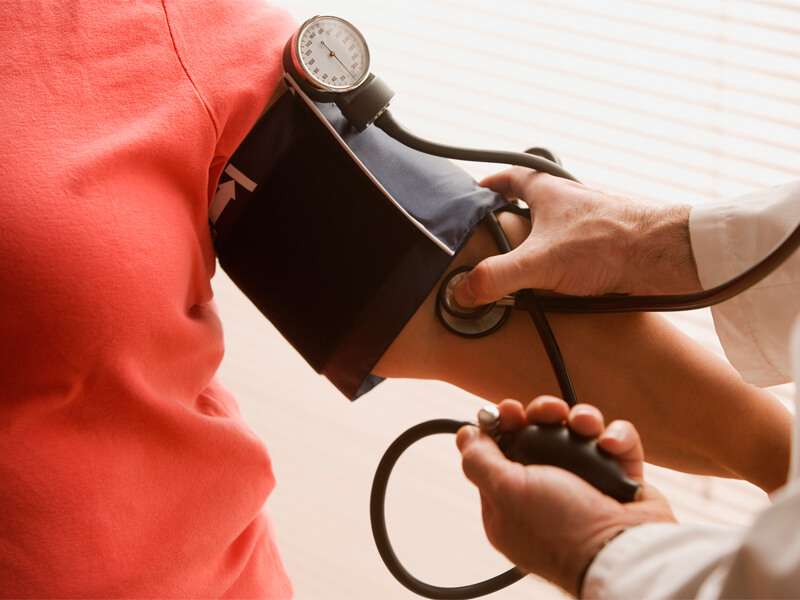
Acute respiratory infections affect the airways and lungs causing symptoms that range from mild colds to more serious illnesses. Prompt treatment ensures quicker recovery.
- Epidemiology and symptoms: Commonly caused by viral agents presenting with cough, sore throat, fever, nasal congestion, and fatigue.
- Diagnostic steps: Clinical examination supported by chest auscultation; laboratory tests or imaging only when complications are suspected.
- Treatment modalities: Mainly supportive care including rest, hydration, antipyretics; antibiotics only if bacterial infection confirmed or highly suspected.
- Avoiding complications: Monitoring symptom progression helps detect any worsening that may require advanced interventions like inhalers or hospitalization.
Mild upper respiratory infections generally resolve without sequelae. Early medical attention is advised if breathing difficulties arise or symptoms persist beyond one week.
TYPE 2 DIABETES MELLITUS CARE

Type 2 diabetes mellitus involves elevated blood sugar due to insulin resistance or deficiency. Proper management helps prevent long-term complications affecting organs.
- Key causes: Overweight, sedentary behavior, poor diet, family history, and age increase risk factors for developing this chronic condition.
- Diagnosis methods: Blood tests such as fasting glucose and HbA1c levels confirm diagnosis through routine screenings or symptom evaluation.
- Treatment approaches: Emphasis on lifestyle changes including healthy eating plans rich in fiber and low in simple sugars; physical activity; oral hypoglycemic drugs; sometimes insulin therapy if necessary.
- Lifestyle support: Education on self-monitoring of glucose levels and recognizing signs of hypoglycemia/hyperglycemia is vital for patient empowerment.
An individualized care plan can help patients maintain near-normal glucose levels, enhancing quality of life while minimizing risks of kidney disease, neuropathy, and cardiovascular problems.
HYPERTENSION MANAGEMENT

High blood pressure, or hypertension, is a common condition where the force of blood against artery walls is consistently too high. Managing hypertension is crucial to prevent serious health complications.
- Symptoms and causes: Often called the "silent killer," hypertension may not show symptoms but can result from genetics, diet, obesity, stress, or sedentary lifestyle.
- Diagnosis: It is typically diagnosed using multiple blood pressure readings taken over time during office visits or home monitoring.
- Treatment options: Lifestyle modifications such as reducing salt intake, regular exercise, weight control, and medications like ACE inhibitors or beta-blockers are commonly used.
- Monitoring: Regular follow-up to monitor blood pressure and adjust therapy as needed is essential for effective control.
Early detection and consistent management of hypertension significantly decrease risks of heart disease and stroke. Patients are encouraged to work closely with their healthcare provider to maintain healthy blood pressure levels.