
Shubham Ayurveda And
About Me
Shubham Ayurveda And
BAMS
Ayurveda
10 Years Experience
Biography
My Clinic
OPD Hours
| Monday | Morning | 10:00 AM | - | 02:00 PM |
| Evening | 06:00 PM | - | 09:00 PM | |
| Tuesday | Morning | 10:00 AM | - | 02:00 PM |
| Evening | 06:00 PM | - | 09:00 PM | |
| Wednesday | Morning | 10:00 AM | - | 02:00 PM |
| Evening | 06:00 PM | - | 09:00 PM | |
| Thursday | Morning | 10:00 AM | - | 02:00 PM |
| Evening | 06:00 PM | - | 09:00 PM | |
| Friday | Morning | 10:00 AM | - | 02:00 PM |
| Evening | 06:00 PM | - | 09:00 PM | |
| Saturday | Morning | 10:00 AM | - | 02:00 PM |
| Evening | 06:00 PM | - | 09:00 PM | |
| Sunday | Morning | 10:00 AM | - | 02:00 PM |
| Evening | 06:00 PM | - | 09:00 PM |
Treatments
Specialised care and treatments offered
RASAYANA THERAPY FOR REJUVENATION
This rejuvenating Ayurvedic treatment focuses on enhancing vitality, longevity, and immunity through nourishment at cellular levels using natural herbs and therapies aimed at revitalization rather than mere symptom relief.
- Symptoms/causes: It is commonly used by individuals experiencing general debility post illness or aging effects marked by reduced stamina or memory difficulties.
- Diagnosis: Doctor evaluates physical endurance capacity along with signs related to depleted dhatus (tissues) using thorough clinical judgment.
- Treatment / management: Special herbal formulations such as Chyawanprash combined with supportive therapies like oil massages replenish tissues effectively; lifestyle recommendations including regulated sleep cycles complement therapy.
- What to expect: Patients usually notice increased vigor & cognitive clarity after continuous therapy sessions fostering better quality of life.
This deeply nurturing approach promotes slow but sustainable improvement in overall health systematically supporting balanced function across body systems.
MANAGING ARTHRITIS USING AYURVEDA
Ayurveda offers strategies targeting inflammatory joint conditions by addressing root causes related to doshic vitiation particularly involving Kapha and Vata types causing stiffness and swelling.
- Symptoms/causes: Painful joints with swelling or stiffness worsening in cold/humid weather suggest arthritis type challenges requiring careful sequencing of treatments.
- Diagnosis: Detailed patient history alongside physical examination focusing on joint flexibility level plus identification of aggravated doshas aids diagnosis accuracy. Treatment/management: Herbal anti-inflammatory remedies including Ashwagandha & Shallaki combined with medicated oils for massage alleviate symptoms; dietary adjustments avoiding heavy foods; Panchakarma interventions like Basti help remove accumulated toxins aggravating joints.
PREVENTIVE CARE FOR DIGESTIVE HEALTH
Ayurveda emphasizes proactive measures to maintain digestive strength which is fundamental for overall wellbeing due to its role in nutrient assimilation and toxin management.
- Symptoms/causes: Issues like bloating, indigestion, irregular bowel movements indicate Agni imbalance impacting digestion negatively.
- Diagnosis: Clinical evaluation involves pulse reading coupled with observation of tongue coating, appetite patterns, stool characteristics among others.
- Treatment/management: Personalized diet plans focused on light yet nourishing meals; use of digestive herbs such as Triphala; routine detoxification procedures; mindful eating habits; avoidance of incompatible food combinations form core interventions.
- What to expect: Improved digestion resulting in increased energy levels plus prevention of chronic gastrointestinal issues is experienced gradually with adherence.
Nurturing digestive fire strengthens immunity while promoting harmonious metabolic function throughout life stages.
STRESS RELIEF THROUGH AYURVEDIC PRACTICES
The impact of stress on bodily systems can be profound; Ayurveda offers effective methods to calm the mind and harmonize mental-emotional health.
- Symptoms/causes: Signs include insomnia, irritability, digestive disturbances, and elevated cortisol levels often linked to imbalanced Vata dosha.
- Diagnosis: Assessment includes evaluating mental state through detailed questioning alongside physical examination focusing on doshic tendencies.
- Treatment/management: Therapies such as Abhyanga (oil massage), Shirodhara (continuous oil pouring over the forehead), meditation techniques, breathing exercises (Pranayama), and herbal adaptogens are employed.
- What to expect: Patients tend to experience relaxation within sessions accompanied by improved sleep patterns and mood stabilization over time.
This integrative approach supports resilience against daily stressors by strengthening mind-body coordination naturally.
AYURVEDIC MANAGEMENT OF DIABETES MELLITUS

Ayurveda takes a comprehensive outlook on diabetes, known as 'Madhumeha,' focusing on balancing metabolism and improving pancreatic function naturally.
- Symptoms/causes: Excessive thirst, frequent urination, fatigue, and sugar imbalance are typical presentations due to impaired insulin regulation.
- Diagnosis: Careful evaluation includes pulse diagnosis, urine examination for sugar content, and assessment of digestive fire (Agni).
- Treatment/management: Customized herbal formulations like Guduchi and bitter melon, dietary modifications emphasizing low glycemic foods, and lifestyle changes including yoga are central components.
- What to expect: Gradual stabilization of blood sugar levels with improved energy and reduced complications over time when combined with regular monitoring.
This natural regimen aims for long-term control rather than quick symptom suppression, promoting balanced health holistically.
PANCHAKARMA THERAPY

Panchakarma is a cornerstone of Ayurvedic detoxification, aimed at cleansing the body and restoring balance. It involves a series of five therapeutic procedures designed to eliminate toxins and improve overall health.
- Symptoms/causes: Chronic fatigue, digestive issues, skin disorders, and imbalances in doshas often benefit from Panchakarma.
- Diagnosis: A detailed assessment of the individual's prakriti (constitution), current health status, and dosha imbalances guides treatment planning.
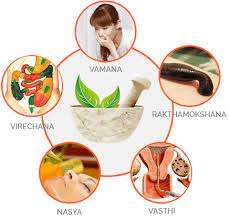
- Treatment/management: The therapy includes Vamana (therapeutic vomiting), Virechana (purgation), Basti (medicated enema), Nasya (nasal administration), and Raktamokshana (bloodletting) tailored to individual needs.
- What to expect: Patients may experience detox symptoms like fatigue or mild discomfort initially but typically report enhanced vitality post-therapy.
This holistic approach not only addresses existing ailments but also helps prevent future disorders by maintaining dosha equilibrium.