
Tondon Sukesh Dr
About Me
Tondon Sukesh Dr
DO
Ophthalmologist
10 Years Experience
Biography
My Clinic
OPD Hours
| Monday | Morning | 10:00 AM | - | 02:00 PM |
| Evening | 06:00 PM | - | 09:00 PM | |
| Tuesday | Morning | 10:00 AM | - | 02:00 PM |
| Evening | 06:00 PM | - | 09:00 PM | |
| Wednesday | Morning | 10:00 AM | - | 02:00 PM |
| Evening | 06:00 PM | - | 09:00 PM | |
| Thursday | Morning | 10:00 AM | - | 02:00 PM |
| Evening | 06:00 PM | - | 09:00 PM | |
| Friday | Morning | 10:00 AM | - | 02:00 PM |
| Evening | 06:00 PM | - | 09:00 PM | |
| Saturday | Morning | 10:00 AM | - | 02:00 PM |
| Evening | 06:00 PM | - | 09:00 PM | |
| Sunday | Morning | 10:00 AM | - | 02:00 PM |
| Evening | 06:00 PM | - | 09:00 PM |
Treatments
Specialised care and treatments offered
STRABISMUS CORRECTION PROCEDURES
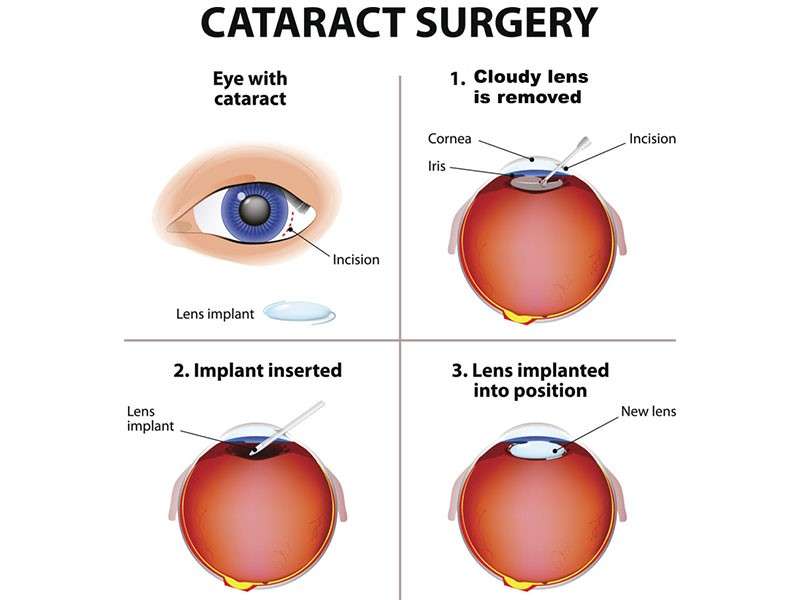
Strabismus refers to misalignment of one or both eyes which can affect depth perception and binocular vision. It commonly appears in childhood but can develop later too due to neurological conditions or trauma.
- The visible sign includes one eye turning inward (crossed), outward (wall-eyed), upward or downward compared with the other eye’s position at rest.A thorough examination checks alignment angles using special instruments alongside assessments ensuring no underlying neurological causes exist.Treatment often begins with eyeglasses + prisms for minor deviations; persistent cases may require muscle-strengthening surgeries aimed at realigning muscles controlling ocular movement.This surgery improves cosmetic appearance as well as functional ability by enhancing coordinated binocular focus allowing better three-dimensional perception post-recovery.The outcome depends on age at intervention onset & severity but many experience significant improvement following treatment completion successfully supporting daily activities visually demanding tasks comfortably thereafter.
DRY EYE SYNDROME THERAPY
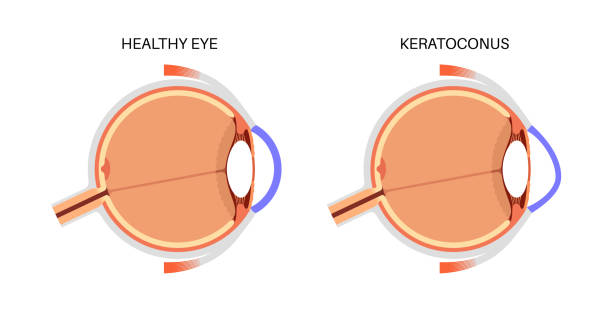
Dry eye syndrome occurs when tears aren't sufficient or evaporate too quickly, resulting in discomfort and impaired surface health of the eyes. This widespread condition affects many adults globally.
- The hallmark symptoms include burning sensation, redness, gritty feeling under the eyelids, and fluctuating vision clarity especially after reading or screen use for extended periods.
- An evaluation includes assessment of tear production rates along with ocular surface examination using fluorescein staining if needed.
- Treatment strategies vary including artificial tear supplements, lifestyle modifications like humidifiers usage, eyelid hygiene routines, and occasionally prescribed anti-inflammatory medications depending on severity levels encountered clinically.
DIABETIC RETINOPATHY SCREENING AND TREATMENT
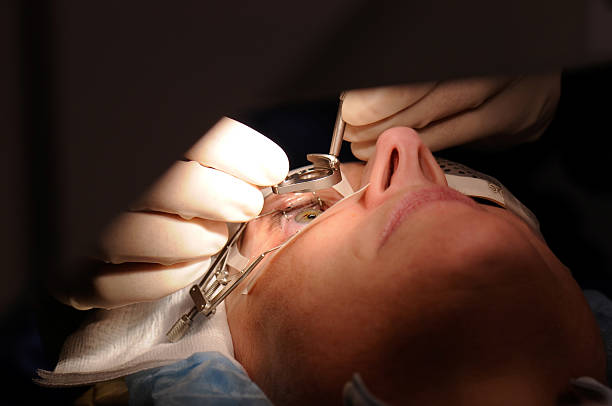
Diabetic retinopathy results from damage to retinal blood vessels in individuals with diabetes. This condition can impair central vision if not monitored closely over time.
- This complication may remain unnoticed initially; patients should watch for blurred or fluctuating vision as possible signs.
- The diagnosis is confirmed through dilated retinal examinations using specialized imaging techniques like fundus photography or optical coherence tomography (OCT).
- Treatment options depend on severity: controlling blood sugar levels, laser therapy to seal leaking vessels, or injections into the eye to reduce swelling are common approaches.
- Efficacious management greatly reduces risks of severe vision loss associated with diabetic retinopathy progression.
Regular screening is vital for diabetic patients to detect changes early and safeguard their eyesight through appropriate interventions.
GLAUCOMA EVALUATION AND MANAGEMENT
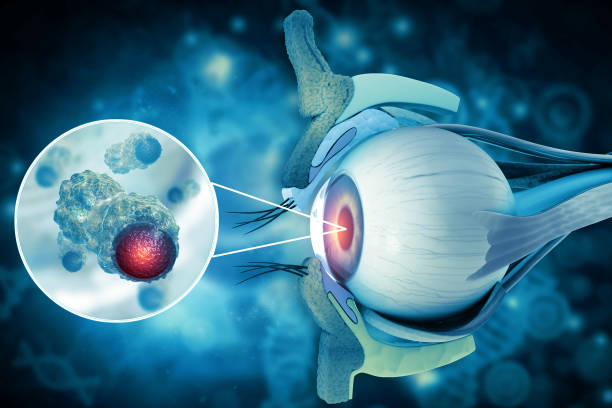
Glaucoma encompasses a group of eye disorders causing progressive optic nerve damage often linked to increased pressure inside the eye. If untreated, it can lead to irreversible blindness.
- Patients may not notice early symptoms; peripheral vision loss often begins subtly without pain.
- Diagnosis involves measuring intraocular pressure, optic nerve assessment via imaging, and visual field testing to detect changes over time.
- Treatment usually starts with medicated eye drops designed to reduce eye pressure; laser therapy or surgery might be necessary if medications are insufficient.
- Lifelong follow-up is essential since glaucoma requires ongoing care to prevent further optic nerve damage.
A proactive approach enables preservation of sight and minimizes risk of serious vision impairment due to glaucoma progression.
PEDIATRIC AMBLYOPIA MANAGEMENT
Amblyopia, often called "lazy eye," is a visual development disorder where one eye fails to achieve normal vision during childhood. It requires early detection to prevent long-term vision problems.
- The condition typically presents as poor vision in one eye that isn't correctable by glasses alone.
- Doctors perform screenings involving visual acuity testing tailored for children and sometimes patching tests on the stronger eye.
- Treatment focuses on improving use of the weaker eye through methods such as corrective lenses, patching, or atropine drops.
- The earlier therapy begins—preferably before age 7—the better the chances for restoring normal vision in the affected eye.
- Continuous monitoring ensures treatment is effective and prevents recurrence or complications later in life.
A careful approach during childhood supports optimal visual development and functional eyesight.
CATARACT SURGERY
Cataracts cause clouding of the eye's natural lens, leading to blurry vision and difficulty seeing clearly. This condition is common, especially as people age, but it can be effectively treated with surgery.
- Symptoms often include faded colors, glare sensitivity, and blurred vision that worsens over time.
- Diagnosis involves a comprehensive eye exam including visual acuity tests and slit-lamp examination to assess lens opacity.
- Treatment primarily includes surgical removal of the cloudy lens, usually replaced with an artificial intraocular lens.
- Recovery is generally quick; most patients notice improved sight within days after surgery.
- Follow-up care ensures proper healing and monitors for complications like infections or increased eye pressure.
Early detection and timely intervention allow most individuals to regain clear vision and maintain quality of life after cataract surgery.