
Dr Aarti Midha--
About Me
Dr Aarti Midha--
MBBS
General Physician
Biography
My Clinic
OPD Hours
| Monday | Morning | 10:00 AM | - | 02:00 PM |
| Evening | 06:00 PM | - | 09:00 PM | |
| Tuesday | Morning | 10:00 AM | - | 02:00 PM |
| Evening | 06:00 PM | - | 09:00 PM | |
| Wednesday | Morning | 10:00 AM | - | 02:00 PM |
| Evening | 06:00 PM | - | 09:00 PM | |
| Thursday | Morning | 10:00 AM | - | 02:00 PM |
| Evening | 06:00 PM | - | 09:00 PM | |
| Friday | Morning | 10:00 AM | - | 02:00 PM |
| Evening | 06:00 PM | - | 09:00 PM | |
| Saturday | Morning | 10:00 AM | - | 02:00 PM |
| Evening | 06:00 PM | - | 09:00 PM | |
| Sunday | Morning | 10:00 AM | - | 02:00 PM |
| Evening | 06:00 PM | - | 09:00 PM |
Treatments
Specialised care and treatments offered
PREVENTIVE VACCINATIONS
Vaccinations are an essential part of preventive healthcare designed to protect against infectious diseases. Staying up-to-date with recommended vaccinations is crucial for individual and community health security.
- The vaccines target various diseases including flu, hepatitis B, tetanus-diphtheria-pertussis (Tdap), among others that pose significant risks without protection.
- The initial assessment will include checking vaccination history alongside any new guidelines which may apply based on age or medical status prior to administering vaccines!
- Vaccination options generally consist of in-office shots; some may require booster doses scheduled over time according to standard practices.
- Follow-up appointments provide opportunities for reassurance regarding vaccine side effects while giving updates on future immunizations needed.
Adhering strictly to vaccination schedules contributes not only towards personal immunity but also enhances public health safety through community-wide protection measures.
GASTROESOPHAGEAL REFLUX DISEASE (GERD) MANAGEMENT

GERD is a digestive disorder where stomach acid flows back into the esophagus causing discomfort. Effective management is important for improving quality of life for those affected by it.
- The main symptoms often include heartburn, regurgitation of food or sour liquid, difficulty swallowing, and chronic cough in some cases.
- A diagnosis typically involves detailed discussions about symptoms along with potential endoscopy or pH monitoring examinations if necessary.
- Management strategies focus on dietary adjustments along with medications like antacids or proton pump inhibitors for relief.
- Patients will often return for follow-up visits to evaluate treatment efficacy and make any necessary adjustments.
Consistent management can alleviate symptoms significantly while reducing possible complications from untreated GERD over time.
ROUTINE HEALTH CHECK-UPS

Regular health check-ups are vital for maintaining overall wellness. They allow for early detection of potential health issues before they become serious problems.
- Screens for various conditions may be performed based on age factors including cholesterol levels, blood pressure checks, or cancer screenings when appropriate.
- The diagnosis process often includes an assessment of medical history combined with physical examinations and lab tests as needed.
- Treatment recommendations could range from lifestyle changes to referrals for specialty care depending on findings during the check-up.
- Patiens should expect follow-up appointments based on the check-up outcomes to manage any identified health risks effectively.
Participating in routine health check-ups promotes proactive care leading to better long-term health outcomes.
SEASONAL ALLERGIES TREATMENT
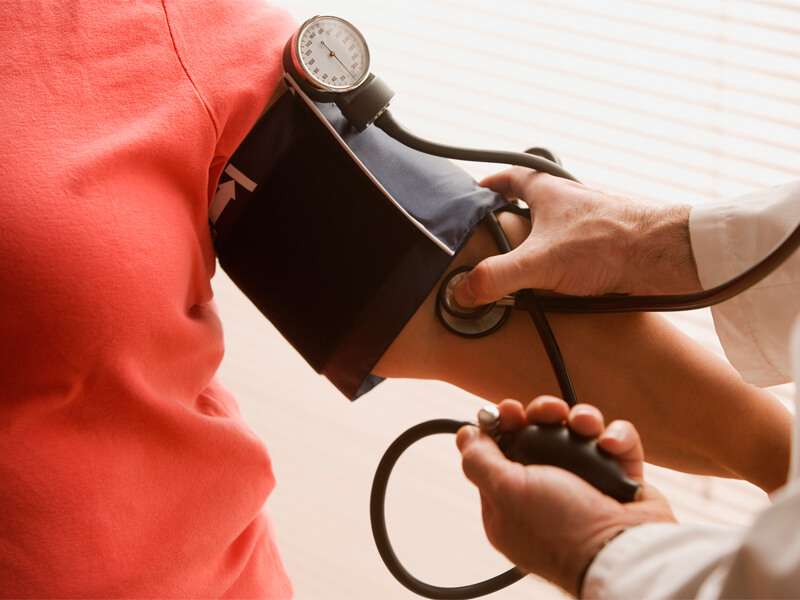
Seasonal allergies are caused by allergens like pollen during specific seasons. They can lead to discomfort but are manageable with proper care.
- Typical symptoms include sneezing, runny or stuffy nose, itchy eyes, and fatigue during allergy seasons.
- Diagnosis usually involves a physical examination followed by allergy testing to identify specific triggers.
- Treatment options encompass antihistamines, nasal corticosteroids, or immunotherapy based on severity and response.
- Persistent communication with a healthcare provider ensures effective symptom management throughout the allergy season.
A comprehensive approach helps individuals maintain quality of life despite seasonal challenges posed by allergies.
DIABETES SCREENING

Diabetes is a chronic condition that occurs when the body cannot effectively use glucose due to insulin issues. Early detection is essential for effective management and prevention of complications.
- Common symptoms include increased thirst, frequent urination, extreme fatigue, and blurred vision.
- A diagnosis is made through blood tests measuring blood sugar levels, including fasting tests or A1C tests for long-term monitoring.
- Treatment may involve lifestyle changes like diet control, physical activity, and sometimes insulin therapy or oral medications.
- Ongoing assessments are required to monitor blood sugar levels effectively and adjust treatment plans as necessary.
Proactive diabetes screening can help manage the condition before it escalates into more serious health concerns.
HYPERTENSION MANAGEMENT
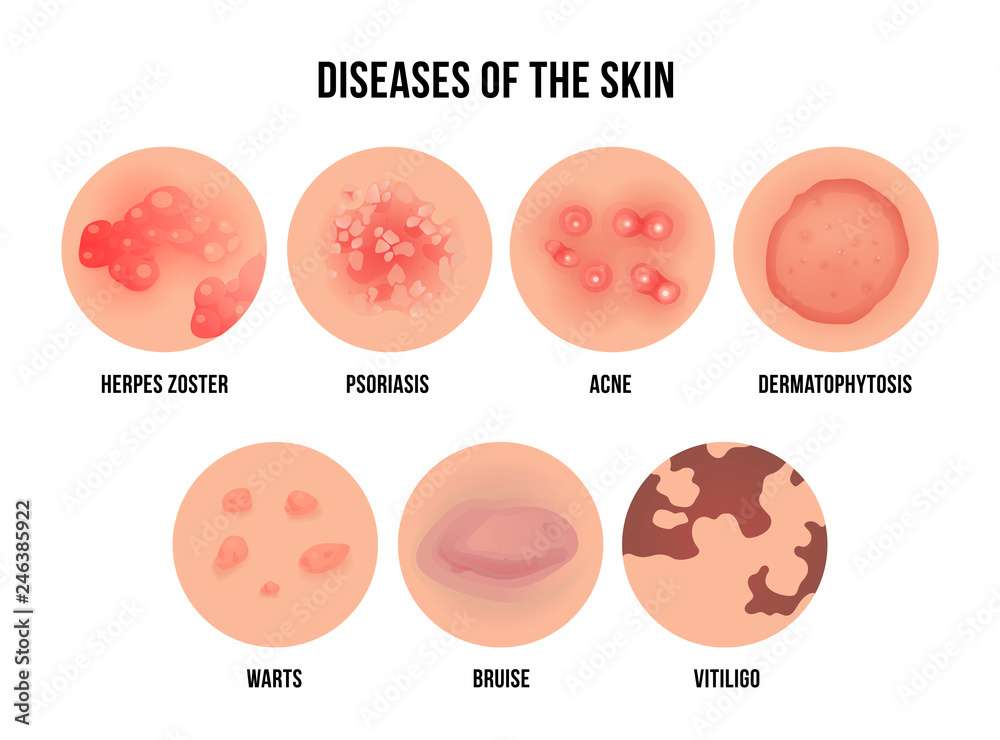
Hypertension, or high blood pressure, is a common condition that can lead to serious health issues if left untreated. It often develops over many years and can affect anyone. Regular monitoring and lifestyle changes are key to managing this condition.
- The primary symptoms may include headaches, shortness of breath, and nosebleeds, but many individuals show no symptoms at all.
- Diagnosis typically involves measuring blood pressure through a sphygmomanometer on multiple occasions to confirm elevated readings.
- Management options include lifestyle modifications such as diet and exercise adjustments, along with medications when necessary.
- Patients can expect regular check-ups to monitor blood pressure levels and assess the effectiveness of ongoing treatment.
Early detection and consistent management of hypertension can significantly reduce the risk of complications such as heart disease or stroke.