
Dr Ajay Wadhwan-Orthopaedic Surgeon,Joint,Knee replacement, Arthroscopic surgeon, Best Fracture Specialist
About Me
Dr Ajay Wadhwan-Orthopaedic Surgeon,Joint,Knee replacement, Arthroscopic surgeon, Best Fracture Specialist
MS
General Surgeons
10 Years Experience
Biography
My Clinic
OPD Hours
| Monday | Morning | 10:00 AM | - | 02:00 PM |
| Evening | 06:00 PM | - | 09:00 PM | |
| Tuesday | Morning | 10:00 AM | - | 02:00 PM |
| Evening | 06:00 PM | - | 09:00 PM | |
| Wednesday | Morning | 10:00 AM | - | 02:00 PM |
| Evening | 06:00 PM | - | 09:00 PM | |
| Thursday | Morning | 10:00 AM | - | 02:00 PM |
| Evening | 06:00 PM | - | 09:00 PM | |
| Friday | Morning | 10:00 AM | - | 02:00 PM |
| Evening | 06:00 PM | - | 09:00 PM | |
| Saturday | Morning | 10:00 AM | - | 02:00 PM |
| Evening | 06:00 PM | - | 09:00 PM | |
| Sunday | Morning | 10:00 AM | - | 02:00 PM |
| Evening | 06:00 PM | - | 09:00 PM |
Treatments
Specialised care and treatments offered
LAPAROSCOPIC SURGERY

Laparoscopic surgery employs small incisions and specialized instruments allowing surgeons to perform procedures with less trauma than traditional methods. This minimally invasive technique benefits patients significantly in terms of recovery time and postoperative discomfort.
=Common Procedures: Laparoscopic techniques are commonly used for cholecystectomies and appendectomies among others... Increased Benefits: Reduced scarring contributes positively toward aesthetic outcomes post-surgery while also shortening hospital stays on average.
Recovery Insights: Many patients return home within hours rather than days following their operations enhancing overall satisfaction rates!
COLONOSCOPY

A colonoscopy is an essential screening tool for colon cancer and other intestinal conditions. Regular screenings are advisable after age 45 or sooner if there's a family history of colorectal issues.
- Purpose of Procedure: It helps diagnose causes of gastrointestinal symptoms like unexplained weight loss, rectal bleeding, or chronic diarrhea.
- Disease Prevention: Early detection via colonoscopy can prevent cancer through identifying precancerous polyps that can be removed during the procedure.
..
BOWEL RESECTION
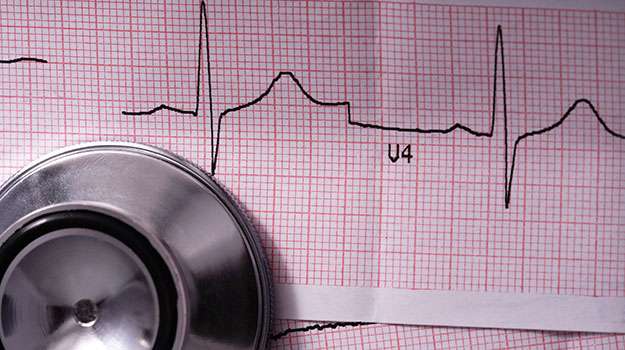
Bowel resection is performed when part of the intestine must be removed due to conditions like cancer, Crohn's disease, or bowel obstruction. Understanding this procedure helps ease patient concerns about recovery and outcomes.
- Symptoms: Patients may present with abdominal pain, weight loss, and changes in bowel habits.
- Diagnostic Tests: Imaging studies such as X-rays or MRIs are utilized along with colonoscopy for diagnosis.
- Treatment Strategy: Resection surgery entails removing affected sections of the bowel while sometimes requiring reconnection afterward.
- Recovery Insights: Hospital stays vary; however, many patients feel relief from symptoms soon after surgery.
Comprehensive pre- and post-operative care significantly enhances confidence in this life-improving procedure.
APPENDECTOMY
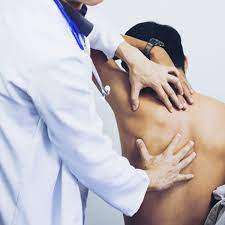
An appendectomy is a common surgical procedure that removes the appendix when it becomes inflamed—a condition known as appendicitis. Timely diagnosis and treatment are crucial to avoiding serious complications such as rupture.
- Identifying Appendicitis: Symptoms often include sharp abdominal pain, fever, and nausea.
- Diagnostic Procedures: A healthcare provider may perform physical exams along with imaging tests like ultrasound or CT scans for accurate diagnosis.
- Surgical Treatment: The standard treatment is an emergency appendectomy; laparoscopic techniques are preferred due to reduced recovery time and scarring.
- Caring for Yourself Post-Surgery: Expect some soreness but many individuals can return to normal activities within a short period following the procedure.
An appendectomy is generally very safe and effective at preventing potentially life-threatening situations associated with appendicitis.
CHOLECYSTECTOMY
The gallbladder can develop stones leading to gallbladder disease. This condition often necessitates surgery to remove the gallbladder, known as cholecystectomy. People suffering from this condition typically experience digestive discomfort.
- Symptoms: Symptoms usually manifest as pain in the upper abdomen, bloating, and nausea after meals.
- Diagnosing Gallstones: Diagnosis often involves ultrasounds or CT scans to identify stone presence.
- Surgical Solutions: Options include laparoscopic surgery for minimally invasive recovery.
- Recovery Expectations: Most patients can return home within hours after surgery with minimal downtime required for full recovery.
This surgical intervention effectively alleviates symptoms and prevents future complications related to gallstones.
HERNIA REPAIR
A hernia occurs when an organ or tissue protrudes through a weak spot in the abdominal muscles. Untreated, it can lead to serious complications. Individuals may experience discomfort or pain, especially during physical activity.
- Symptoms: Common symptoms include a noticeable lump, pain or discomfort, and swelling around the site.
- Diagnosis: A physical exam by a healthcare provider along with imaging tests may be required to confirm the presence of a hernia.
- Treatment Options: Surgical repair is often necessary. Techniques include open surgery or laparoscopic methods.
- Post-Operative Care: After surgery, patients can expect bruising and soreness but most resume normal activities within weeks.
Prompt treatment is essential for preventing complications like incarceration or strangulation of the intestines when managing hernias.