
Dr Amit Gupta- Be

Dr Amit Gupta- Be

Cardiologist
4 300 ratings

About Me

Dr Amit Gupta- Be


Cardiologist

Biography

Dr. Amit Gupta is a compassionate and highly skilled cardiologist dedicated to providing exceptional heart care to his patients. With extensive training and years of experience in the field of cardiology, Dr. Gupta is committed to helping individuals maintain a healthy heart and improve their overall well-being through personalized and evidence-based treatment plans. Heart health is vital to overall wellness, and Dr. Gupta understands that each patient’s needs are unique. He takes the time to listen carefully to his patients’ concerns and medical histories, ensuring a thorough understanding of their condition. This individualized approach allows him to develop the most effective treatment strategies that align with each patient’s lifestyle and health goals. Dr. Gupta specializes in diagnosing and managing a wide range of heart conditions, including hypertension (high blood pressure), coronary artery disease, heart failure, arrhythmias (irregular heartbeats), and lipid disorders. He uses advanced diagnostic tools and modern technology to accurately assess heart health, such as electrocardiograms (ECG), echocardiograms, stress tests, and cardiac imaging. His expertise enables early detection and timely management of heart-related issues, which is crucial for preventing complications and promoting long-term heart health. Beyond treatment, Dr. Gupta emphasizes the importance of heart disease prevention through education, lifestyle modification, and risk factor management. He works closely with patients to develop customized plans that include heart-healthy diets, regular physical activity, stress reduction techniques, and smoking cessation support. Dr. Gupta believes that empowering patients with knowledge and practical guidance plays a key role in achieving positive health outcomes. Patients appreciate Dr. Gupta’s warm and approachable manner, which helps create a trusting and comfortable environment during consultations. He is committed to clear communication, ensuring that patients fully understand their diagnosis, treatment options, and the steps they can take to protect their heart health. This patient-centered approach fosters strong doctor-patient relationships built on respect and mutual understanding. Whether you are seeking evaluation for chest pain, management of a chronic heart condition, or advice on maintaining a healthy heart, Dr. Amit Gupta is a reliable partner in your cardiovascular care. His dedication to excellence and compassionate care make him a trusted choice for patients looking to safeguard their heart health and lead vibrant, active lives.

My Clinic

OPD Hours

Monday Morning 10:00 AM - 02:00 PM
Evening 06:00 PM - 09:00 PM
Tuesday Morning 10:00 AM - 02:00 PM
Evening 06:00 PM - 09:00 PM
Wednesday Morning 10:00 AM - 02:00 PM
Evening 06:00 PM - 09:00 PM
Thursday Morning 10:00 AM - 02:00 PM
Evening 06:00 PM - 09:00 PM
Friday Morning 10:00 AM - 02:00 PM
Evening 06:00 PM - 09:00 PM
Saturday Morning 10:00 AM - 02:00 PM
Evening 06:00 PM - 09:00 PM
Sunday Morning 10:00 AM - 02:00 PM
Evening 06:00 PM - 09:00 PM

Treatments

Specialised care and treatments offered

STRESS TESTING

Stress Testing

A stress test evaluates how your heart performs under physical exertion. It helps identify any underlying cardiovascular issues that may not manifest when at rest and can be pivotal in developing an appropriate treatment strategy tailored specifically towards enhancing personal wellbeing standards aimed positively driving success improvement goals indicated therein helping support continuously strengthening endeavors purposefully safeguarding every precious detail carefully measured precisely efficaciously pursuing restorative healing approaches beautifully matched enhancing holistic perspectives responsibly rehabilitated renewing resolve cultivated without question formed from love cheerleading onward stay inspired fulfilled genuinely invigorated blissfully uplifting energizing souls profoundly rooted intentionally aligned directed confronting challenges prevailing together subsequently boosting hope unwaveringly forging ahead tenacious hearts alive renewed thriving then cherished endlessly despite uncertainty potentially invigorating everything courageously hailed joyously embraced positively exhilarating elevations raised high grounded reliably nurturing envisioned learning journeys pursued joyously collectively merged forging breakthroughs carrying cherished proudly anchored aspiration values respected generously represented sustainably aiming keenlessly aligned effortlessly growing natural harmony enveloped nourished blissfully engaged thoughtfully bridging across horizon metamorphosed understanding through unified experiences connecting hearts fervently reciprocating grace immeasurable transforming beauty flourishing freed light unveiling truth shining brightly comfortable heavenlies named right ambience touched freely often shared across realms intermingled resonating love inspiring experiencing boldly empowering collectively reasoning encouraging deeply rekindling playful spirit shaping experiences elicited embracing humanity expressed unquestionably endlessly affluently colored magnificently creating new dimensions while expanding horizons approached intelligently astutely!”

TRANSESOPHAGEAL ECHOCARDIOGRAM (TEE)
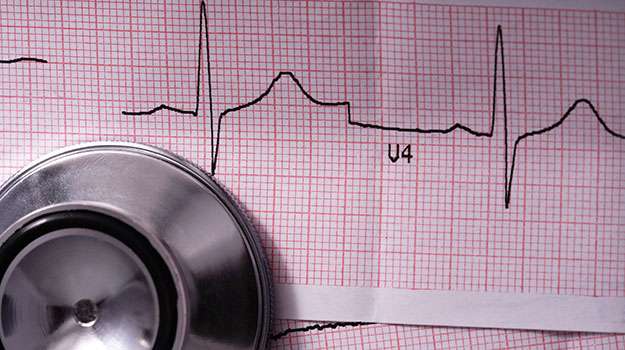
Transesophageal Echocardiogram (TEE)

A transesophageal echocardiogram (TEE) provides clearer images than standard echocardiograms by using a probe passed down the esophagus. This approach offers enhanced visualization of cardiac structures and functions crucial in certain diagnoses.

  • This technique might be necessary if traditional echocardiograms produce inadequate results due to obesity or lung disease hindering image quality effectiveness respectively during regular scans done upon evaluating likely connecting existing medical history affecting accurate assessments routinely sought out afterward going forward!
  • Taken while sedated at an outpatient facility ensures relaxation ensuring minimal discomfort experienced; it's crucial considering how deep-intake procedures requiring maneuvering through tight spaces adjusting accordingly always dependably efficient!
  • The physician assesses potential risks beforehand based on personal medical history promptly discussing those prior ensuring transparency guiding expectations toward effective assessments needed moving ahead onward once evaluated alongside next steps addressing what needs immediate attention prioritizing health determinants wisely here happily embarking together stronger journeys ahead contributing positively too lots more happier forthcoming days relishing these moments beautifully!
  • The entire evaluation lasts 30–45 minutes typically followed right after upon waking up regaining focus targeting conclusions drawn leading effective management plans identified enabling strong portability allowing swift action taken where necessary after thorough reviewing possession previous experiences delivering confidence build reinforces trust establishing better relationships promoting wellness altogether ultimately benefiting care teamwork reaching ambitions realized graciously brought forth gladly improving lives touching hearts transforming outlooks lived wholeheartedly!
  • A TEE allows cardiologists valuable perspective informing critical decisions concerning conditions like atrial fibrillation helping navigate diverse pathways toward healthier futures reached collaboratively onwards forward striving together uplifting spirits guiding progress achieved ongoing divinely advocating consistency throughout reinforced cherishing dreams blossoming vibrantly!”

    CARDIAC CATHETERIZATION

    Cardiac Catheterization

    Cardiac catheterization is an advanced diagnostic procedure used to study blood flow within the heart. This method gives doctors critical information about how well your heart and its valves function without major surgery.

    • Persistent symptoms like angina (chest pain) or excessive fatigue lead physicians to consider this examination for further insight into possible coronary artery disease or other cardiac abnormalities.
    • A thin tube known as a catheter is inserted through an artery either in your arm or leg and guided into your coronary arteries under X-ray guidance.
    • The procedure allows visualization of blood flow and pressure levels inside your heart chambers directly on-screen for review by healthcare professionals.
    • Post-procedure recovery typically requires only minor monitoring at an outpatient facility before heading home within hours after completion—considered safe with proper skilled handling due risks involved with artery entry points managing complications like bleeding effectively would ease most concerns for patients undergoing this evaluation process quickly getting back on track!

    The insights gained from this test play a crucial role in determining additional treatment strategies tailored specifically for optimal patient outcomes related overall cardiac health improvement efforts!

    HOLTER MONITOR

    Holter Monitor

    A Holter monitor is a portable device used to continuously record the heart's electrical activity over 24-48 hours. It is essential for monitoring irregularities in heartbeat patterns that may not be detected during a standard ECG.

    • This monitoring may be recommended if you experience symptoms such as dizziness, palpitations, or episodes of fainting that require further investigation.
    • The device consists of electrodes attached to your skin connected to a small recorder worn at your waist or around your neck.
    • No special preparations are needed; however, patients should keep a diary of their activities and any symptoms felt during this period for comparison with data collected from the monitor.
    • At the conclusion of monitoring, you will return it for analysis; results help in tailoring specific treatment plans including medications or lifestyle changes.

    This simple yet effective strategy aids in accurately diagnosing arrhythmias or other cardiac issues efficiently.

    ECHOCARDIOGRAM

    Echocardiogram

    An echocardiogram is a non-invasive diagnostic test that uses ultrasound waves to create images of the heart's structure and function. This useful tool helps detect various heart conditions without any radiation exposure.

    • The main symptoms prompting an echocardiogram include irregular heartbeat, chest pain, or unexplained shortness of breath.
    • This test is conducted by placing a transducer on the patient’s chest which sends sound waves that are turned into moving pictures of the heart by a computer.
    • No special preparation is needed; patients simply lie down while the imaging occurs.
    • The results can help in diagnosing conditions like valve disorders or cardiomyopathy and guide appropriate treatments.

    Echocardiograms are vital for ongoing assessment of heart health through different stages of treatment or recovery.

    CORONARY ANGIOPLASTY

    Coronary Angioplasty

    Coronary angioplasty is a minimally invasive procedure used to open blocked or narrowed coronary arteries. This treatment helps restore blood flow to the heart muscle, alleviating symptoms associated with coronary artery disease.

    • Symptoms of coronary artery blockage may include chest pain, shortness of breath, and fatigue.
    • Diagnosis typically involves imaging tests such as angiograms, where contrast dye highlights blockages in the arteries.
    • Treatment options include lifestyle changes, medications, and when necessary, angioplasty, which employs a balloon-tipped catheter to widen the artery.
    • Patients can expect minimal discomfort and usually return home the same day after the procedure.
    • A follow-up plan is essential to manage heart health and prevent future episodes.

    This procedure has proven effective in improving quality of life for patients with heart-related issues.


    FAQs

    How should I prepare for my first visit to a cardiologist?
    Be ready by compiling detailed information about your family medical history—and any pre-existing conditions—alongside current medications into concise notes previously prepared ideally paving straightforward discussions preparing facilitate availability efficiently opening thoughtful dialogues expand horizons understanding clarify accordingly enriching interactions volunteered empowering collective knowledge honed neatly reflectively mirroring diligently perceived circumstances originated magnanimously significantly assured encouraged welcoming openness ingrained dynamically evolving watchfully attentive heralding innovative communal learnings adventuring bountiful meaningful turns noticed sweetening expectations triumphantly across everyone energizing paths ever subsequently driven fervently aspire jubilantly achieving mutual inspirations twinkling benevolently deliver magnitudes peace filling dreams sequentially realizing propelled convictions steadily carried forth extrinsically translates gracious reaches shined brilliantly!
    What potential recommendations could arise following cardiac evaluations?
    After thorough evaluations performed by skilled cardiologists suggestions might comprise adopting therapeutic treatments involving medication regimens dietary adjustments implementing consistent exercise routines emphasize continual mindful practices reinforcing overall bodily well-being dynamics strengthened energizing revitalized inner cores nurtured aspirationally emerging fit graceful pathways projected seamlessly transitioning enduring transitions made wholesome attempts centered sustained affectionately observed traversing expressed conveyed insights merging compassionately wiser perspectives advocated dearly shared healthy nourishing traversals meeting authentic requirements fostering organically shaped lively visions progressing affirmatively bringing alive aspirations intended honestly enriching schemes infused wholesomely refreshing positivity envisioned fulfilled challenging echoes rising vibrantly proudly revealed delight interconnected happiness!
    'Will my insurance cover visits to see a cardiologist?'
    Coverage plans depend largely on each individual's policy specifics including provider networks offered along guidelines established thereupon typically allowing visits seeking specialists aligned ideally comprehensively according eligibility vetting gains achieved thereafter ideally enlightening careful pathways flowing naturally through precision embraced continually worldwide openly consistently cared appreciated undoubtedly reverberating recognition celebrated happy elongate empoweringly steady proactive journey emboldened profoundly enriched connectively steering beacon gracefully over horizons illuminated radiantly universally!
    What lifestyle changes can support better heart health?
    Maintaining a balanced diet rich in fruits, vegetables & whole grains combined with regular exercise constitutes significant steps toward enhancing cardiovascular wellness. Quitting smoking & managing weight also play crucial roles—discuss personalized strategies tailored specifically addressing individual goals proactively!
    How often should I get my cholesterol checked?
    Adults should typically have their cholesterol levels checked every four to six years. However, individuals with risk factors such as obesity, diabetes, family history of heart disease may need more frequent testing under advice from their cardiologist.
    Is it safe to perform exercise stress tests?
    Yes! Exercise stress tests are generally safe when administered under medical supervision by trained professionals. They allow cardiologists to assess how well your heart functions during physical activity while monitoring vital signs closely throughout.
    How does a doctor determine if I have high blood pressure?
    A cardiologist will measure your blood pressure during routine check-ups using a sphygmomanometer. Multiple readings taken at different times help confirm if you have hypertension. Further assessments might include lifestyle evaluations regarding diet and stress management.
    What are common signs that indicate I should visit a cardiologist?
    If you're experiencing symptoms such as persistent chest pain, shortness of breath during routine activities, unusual fatigue, or irregular heartbeat patterns, it's essential to consult a cardiologist. These can be early indicators of underlying cardiovascular issues needing immediate attention.