
Dr Atul Goyal - G
About Me
Dr Atul Goyal - G
MBBS
General Physician
10 Years Experience
Biography
My Clinic
OPD Hours
| Monday | Morning | 10:00 AM | - | 02:00 PM |
| Evening | 06:00 PM | - | 09:00 PM | |
| Tuesday | Morning | 10:00 AM | - | 02:00 PM |
| Evening | 06:00 PM | - | 09:00 PM | |
| Wednesday | Morning | 10:00 AM | - | 02:00 PM |
| Evening | 06:00 PM | - | 09:00 PM | |
| Thursday | Morning | 10:00 AM | - | 02:00 PM |
| Evening | 06:00 PM | - | 09:00 PM | |
| Friday | Morning | 10:00 AM | - | 02:00 PM |
| Evening | 06:00 PM | - | 09:00 PM | |
| Saturday | Morning | 10:00 AM | - | 02:00 PM |
| Evening | 06:00 PM | - | 09:00 PM | |
| Sunday | Morning | 10:00 AM | - | 02:00 PM |
| Evening | 06:00 PM | - | 09:00 PM |
Treatments
Specialised care and treatments offered
GASTROESOPHAGEAL REFLUX DISEASE (GERD)
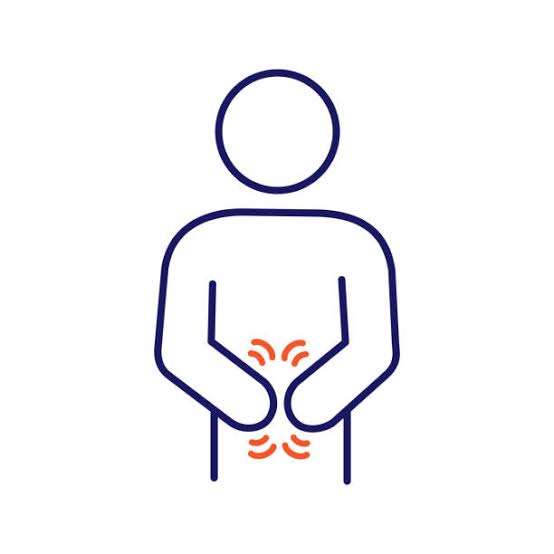
This chronic digestive disorder occurs when stomach acid frequently flows back into the esophagus leading significant discomfort over time. GERD affects both men women across age groups sitting sedentary habits increase risks considerably! Symptoms >> mainly consist heartburn regurgitation uncomfortable swallowing nausea hoarseness chronic cough { < / quiz points } Causes bad eating habits obesity smoking alcohol use pregnancy certain medications aggravate conditions further make them more prevalent overall! Diagnosis involves physical exams endoscopy testing acidity levels determining appropriate targeted treatments available through healthcare professionals helping alleviate recurring issues inhabitants encounter daily?
RESPIRATORY INFECTIONS

Respiratory infections are illnesses caused by pathogens that affect the airways or lungs. They range from mild colds to more serious infections like pneumonia and bronchitis.
- Symptoms : Common signs include cough (with phlegm), fever chills fatigue muscle ache sore throat.
- Causes : Respiratory infections can stem from viral infections but bacterial & fungal causes should also be considered depending on severity duration.[/
- Diagnosis : A thorough clinical evaluation along with imaging studies like chest X-rays allow assessment of infection severity.
- Treatment options : While some infections resolve on their own supportive care like hydration rest antihistamines analgesics may relieve discomfort; antibiotics are necessary if bacteria identified.
The majority recover fully without lasting effects but early intervention helps reduce complications especially among vulnerable populations such elderly young children.{/ p }}
ANEMIA
Anemia is a condition characterized by a deficiency in red blood cells or hemoglobin. It leads to reduced oxygen transport in the body which can significantly affect overall health.
- Symptoms: Symptoms frequently include fatigue, weakness, pale skin, dizziness, and shortness of breath during physical activity.
- Causes: Various factors contribute including iron deficiency due to poor diet, chronic diseases such as kidney disease or heavy menstrual bleeding in women.
- Diagnosis : A complete blood count (CBC) helps determine hemoglobin levels along with further testing for specific types of anemia based on suspected causes.
- Treatment options : Treatment focuses on addressing the underlying cause; this may involve dietary changes or supplementation with iron or vitamins.
- Management : Ongoing monitoring through regular blood tests ensures recovery progress while adjusting treatment plans as necessary.
Effective management of anemia not only resolves symptoms but improves quality of life by enhancing energy levels.
THYROID DISORDERS
Thyroid disorders encompass a range of conditions affecting the thyroid gland's function, which plays a vital role in metabolism regulation. These disorders can manifest in various ways depending on whether the thyroid is overactive or underactive.
- Symptoms: Common symptoms of hypothyroidism include fatigue, weight gain, and sensitivity to cold; hyperthyroidism may present with weight loss, rapid heartbeat, and anxiety.
- Causes: Autoimmune diseases like Hashimoto's thyroiditis or Graves' disease are common culprits behind these dysfunctions.
- Diagnosis: Blood tests measuring TSH (Thyroid Stimulating Hormone) and T4 levels help clarify thyroid function status.
- Treatment options: Hypothyroidism is usually managed with synthetic hormone replacement therapy while hyperthyroidism may require medications or radioactive iodine treatment.
The prognosis is generally favorable when diagnosed early with appropriate management tailored per individual needs.
DIABETES MELLITUS TYPE 2
Type 2 Diabetes Mellitus is a chronic condition affecting how the body metabolizes glucose. This disorder leads to elevated blood sugar levels which can have various health implications.
- Symptoms: Common indications include increased thirst, frequent urination, fatigue, blurred vision, and slow-healing wounds.
- Causes: Factors contributing to its development include obesity, physical inactivity, genetic predisposition, and age.
- Diagnosis: Diagnosis typically involves fasting blood glucose tests or HbA1c tests that measure average blood sugar levels over time.
- Treatment options: Management starts with lifestyle modifications like improved nutrition and exercise. Medications such as metformin may also be necessary for better glucose control.
- Long-term management: Regular check-ups are crucial for monitoring complications such as cardiovascular disease or kidney issues related to diabetes.
A comprehensive approach involving lifestyle changes and medical management can help maintain optimal health for those living with diabetes.
HYPERTENSION
Hypertension, commonly known as high blood pressure, is a prevalent condition that can lead to severe health issues if left unmanaged. This condition often develops over many years and can affect anyone.
- Symptoms: Many individuals may not experience noticeable symptoms. However, severe hypertension can lead to headaches, shortness of breath, and nosebleeds.
- Causes: Factors include genetics, poor diet, lack of physical activity, and excessive alcohol consumption.
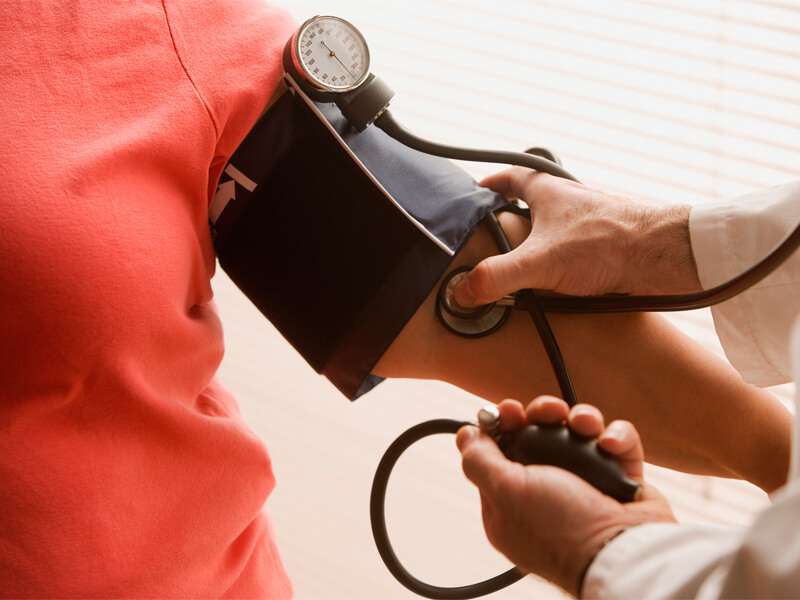
- Diagnosis: Blood pressure is routinely measured using a sphygmomanometer. Further tests may be employed to assess organ damage or related conditions.
- Treatment options: Lifestyle changes like diet and exercise are crucial. Medications such as diuretics or ACE inhibitors may also be prescribed.
- Management: Regular monitoring and follow-up appointments are essential to ensure blood pressure remains under control and reduces the risk of complications.
Managing hypertension effectively requires ongoing attention to lifestyle choices and adherence to prescribed treatments.