
Dr Kabra - JP
About Me
Dr Kabra - JP
DO
Ophthalmologist
Biography
My Clinic
OPD Hours
| Monday | Morning | 10:00 AM | - | 02:00 PM |
| Evening | 06:00 PM | - | 09:00 PM | |
| Tuesday | Morning | 10:00 AM | - | 02:00 PM |
| Evening | 06:00 PM | - | 09:00 PM | |
| Wednesday | Morning | 10:00 AM | - | 02:00 PM |
| Evening | 06:00 PM | - | 09:00 PM | |
| Thursday | Morning | 10:00 AM | - | 02:00 PM |
| Evening | 06:00 PM | - | 09:00 PM | |
| Friday | Morning | 10:00 AM | - | 02:00 PM |
| Evening | 06:00 PM | - | 09:00 PM | |
| Saturday | Morning | 10:00 AM | - | 02:00 PM |
| Evening | 06:00 PM | - | 09:00 PM | |
| Sunday | Morning | 10:00 AM | - | 02:00 PM |
| Evening | 06:00 PM | - | 09:00 PM |
Treatments
Specialised care and treatments offered
PTERYGIUM SURGERY
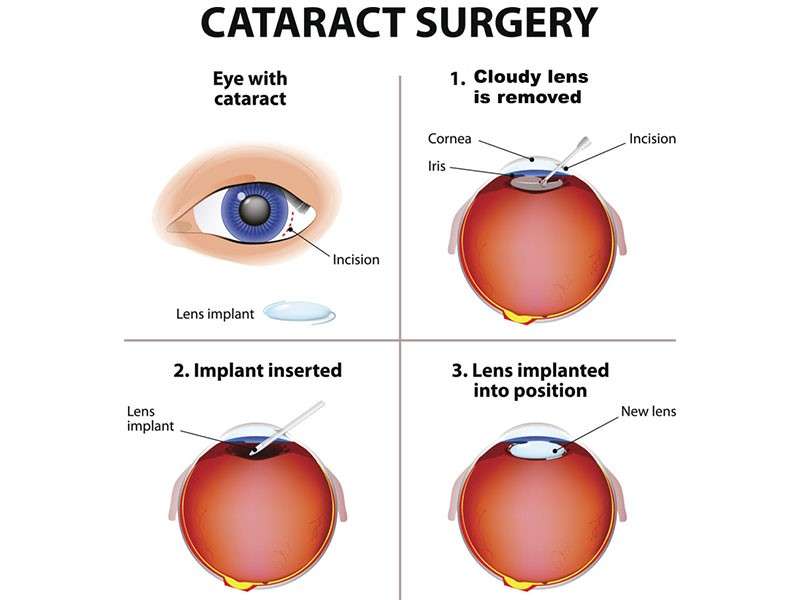
Pterygium can occur when a growth develops on conjunctival tissue extending onto the cornea—a benign yet disruptive condition affecting comfort & clarity! Early recognition allows preventative measures involving UV protection & lubricants no longer being sufficient leads patients consider surgical route...
- Common indications suggest observable changes with redness probably misunderstanding irritation experienced before seeking specialized help...
- During exams slit-lamp inspections reveal growth features easily distinguishable from other disorders potentially requiring biopsy if atypical aspects arise .
- Surgical excision removes unwanted growth , reinstating optimal corneal curvature minimizing recurrence likely improving patient satisfaction alongside ocular comfort thus restoring rich visual experiences much desired among those affected! < / u l >
( Overall managing expectations comprehensively cultivates long-term improvements enhancing quality whilst engaging essential maintenance protocols afterward!)
DIABETIC RETINOPATHY TREATMENT
This complication arising from diabetes affects blood vessels in the retina and can lead to blindness if untreated. Managing blood sugar levels is crucial in preventing progression of this disease but treatment options are available for those already affected. Recognizing symptoms early, such as blurred or fluctuating vision, aids timely intervention..
- In diagnosis,, fundus photography helps visualize retinal changes revealing signs characteristic of Diabetic Retinopathy..
- Treatment might involve laser therapy aiming specifically at abnormal blood vessels that cause bleeding or swelling within the Retina..
- Patients may require multiple sessions based at intervals determined by examination outcomes ensuring consistent evaluation throughout revitalization processes! < / u l >
(Through enhanced management strategies integrated approaches promote better overall visual health.)
CORNEAL TRANSPLANT
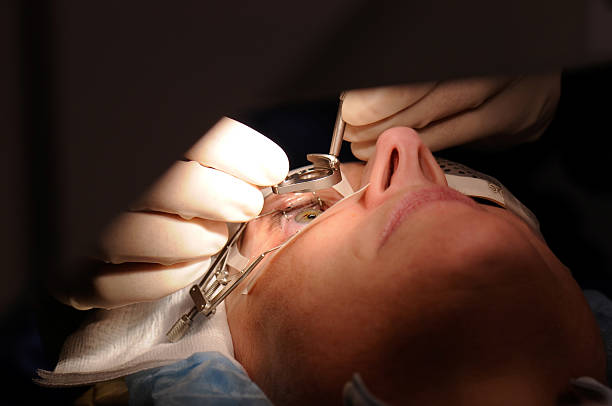
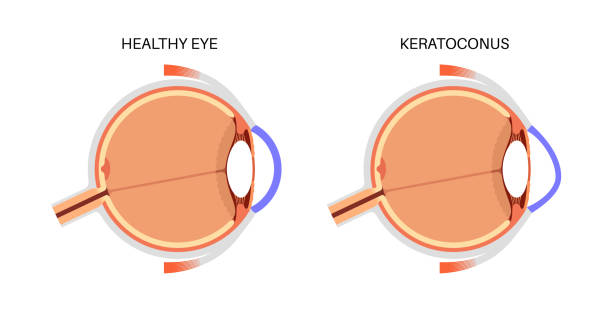
A corneal transplant replaces damaged or diseased cornea with healthy donor tissue. This procedure restores transparency and function to the cornea promoting improved vision.
- Persistent blurry vision or severe pain may indicate a problem requiring this surgery; infections or scars might be factors as well.
- An initial evaluation includes a thorough examination of corneal health along with keratometry measurements by an ophthalmologist
- Surgery involves removing the affected cornea and stitching in a healthy donor cornea under local anesthetic.
RETINAL DETACHMENT REPAIR
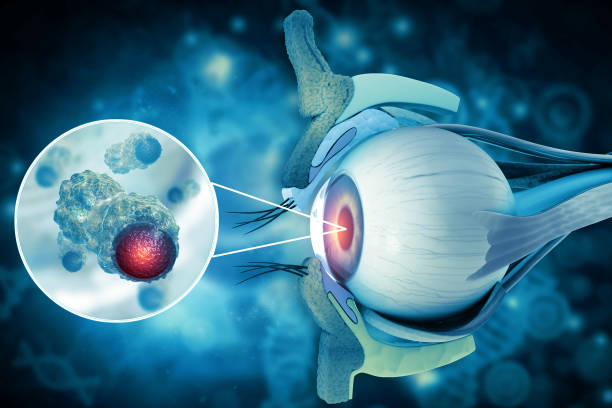
A retinal detachment occurs when the retina separates from its underlying layer of support tissue. This serious condition can lead to permanent vision loss if not treated promptly.
- Symptoms often include sudden flashes of light, floaters, or a shadow appearing in peripheral vision.
- Diagnosis typically involves dilated fundus examination by an ophthalmologist using special imaging techniques.
- Treatment methods include laser surgery, cryotherapy, or pneumatic retinopexy depending on the severity and type of detachment.
- Surgery aims to reattach the retina and ensure normal function is restored as much as possible.
- Post-surgery follow-ups are crucial for assessing healing progress and visual outcomes.
Timely intervention can greatly improve prospects for regaining sight after this urgent medical condition.
GLAUCOMA SURGERY
Glaucoma is an eye condition that damages the optic nerve, often due to increased intraocular pressure. It is vital to diagnose and treat glaucoma early to prevent irreversible vision loss.
- Common symptoms include gradual loss of peripheral vision and tunnel vision in advanced stages.
- A thorough eye exam including tonometry helps measure eye pressure for diagnosis.
- Treatment options vary from medications to lower eye pressure to surgical procedures such as trabeculectomy or laser therapy.
- Surgical interventions aim to improve drainage of fluid from the eye or create a new drainage pathway.
- Patients can expect regular monitoring after surgery to manage eye health effectively.
Proper treatment plans allow many individuals with glaucoma to maintain their eyesight for years.
CATARACT SURGERY
Cataracts are a common condition characterized by clouding of the lens in the eye, leading to vision impairment. This condition typically develops slowly and can significantly affect daily activities and quality of life.
- Symptoms may include blurred vision, difficulty with night vision, and seeing halos around lights.
- The diagnosis is made through a comprehensive eye examination including vision tests and assessment of cataract severity.
- Treatment involves surgical removal of the cloudy lens, often replaced with a clear artificial lens.
- The procedure is usually outpatient, allowing for quick recovery, although some may experience temporary discomfort.
- Post-operative care includes follow-up visits to ensure healing and visual clarity.
With proper management, patients can expect significant improvement in their vision following cataract surgery.