
Dr Mamta Mehta -
About Me
Dr Mamta Mehta -
MD
ENDOCRINOLOGIST
10 Years Experience
Biography
My Clinic
OPD Hours
| Monday | Morning | 10:00 AM | - | 02:00 PM |
| Evening | 06:00 PM | - | 09:00 PM | |
| Tuesday | Morning | 10:00 AM | - | 02:00 PM |
| Evening | 06:00 PM | - | 09:00 PM | |
| Wednesday | Morning | 10:00 AM | - | 02:00 PM |
| Evening | 06:00 PM | - | 09:00 PM | |
| Thursday | Morning | 10:00 AM | - | 02:00 PM |
| Evening | 06:00 PM | - | 09:00 PM | |
| Friday | Morning | 10:00 AM | - | 02:00 PM |
| Evening | 06:00 PM | - | 09:00 PM | |
| Saturday | Morning | 10:00 AM | - | 02:00 PM |
| Evening | 06:00 PM | - | 09:00 PM | |
| Sunday | Morning | 10:00 AM | - | 02:00 PM |
| Evening | 06:00 PM | - | 09:00 PM |
Treatments
Specialised care and treatments offered
HYPERLIPIDEMIA MANAGEMENT
Hyperlipidemia refers to elevated levels of lipids (fats) in the bloodstream, which increases the risk of heart disease. Understanding effective management options is essential for long-term cardiovascular health!
- Symptoms often appear only after severe cardiovascular complications have developed; hence routine screenings are vital!
- Diagnosis generally involves lipid panels that measure cholesterol levels within your bloodstream accurately.
- A combination approach including dietary adjustments focusing on low-fat diets alongside increased physical activity is commonly recommended. Statins might also be prescribed depending upon severity factors involved related directly toward risk profiles established previously by specialist assessments made prior!
- Engaging actively involves continuous monitoring afterward according closely alongside practitioners who will replace medications or recommend alternative therapies when necessary based upon current progress being evaluated periodically every six months minimum thereafter onward indefinitely afterwards too!
Properly managing hyperlipidemia contributes positively towards preventing serious complications – giving reassurance about leading a healthier future ahead!
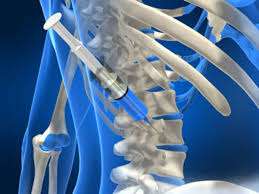
BONE DENSITY ISSUES

Your bone health is critical for overall well-being, particularly as you age. Addressing bone density issues should begin at an early age through preventative measures or proactive management if problems arise later in life.
- Main signs include unexplained fractures or loss of height; sometimes there are no obvious symptoms until significant damage is done!
- A bone density scan helps diagnose conditions like osteoporosis effectively by assessing bone strength directly via imaging technology.
- Treatment may involve medications alongside lifestyle modifications such as increasing calcium intake through diet or supplements combined with regular exercise focused on strengthening bones.
- Regular check-ups are essential for monitoring bone density over time, allowing timely interventions as necessary.
- You should also consider engaging in weight-bearing exercises that promote better bone health throughout life!
Addressing these issues positively impacts quality of life both now and into the future!
ADRENAL INSUFFICIENCY

Adrenal insufficiency occurs when the adrenal glands do not produce sufficient hormones. Recognizing this condition's symptoms plays an important role in effective management and treatment plans.
- The main symptoms include chronic fatigue, muscle weakness, and low blood pressure during stress situations.
- A healthcare professional will likely conduct blood tests measuring cortisol levels to confirm diagnosis.
- Treatment often includes hormone replacement therapy, tailored based on individual needs and lifestyle considerations.
- Lifestyle adjustments such as stress reduction techniques are also beneficial for symptom management.
- You can expect ongoing monitoring to ensure optimal hormonal balance over time through consistent follow-ups with your doctor.
Catching adrenal insufficiency early allows individuals to manage their health proactively!
POLYCYSTIC OVARY SYNDROME (PCOS)

Polycystic Ovary Syndrome (PCOS) is a hormonal disorder common among women of reproductive age. It can cause various symptoms that may become challenging without proper treatment options.
- Main symptoms often include irregular periods, weight gain, and excessive hair growth (hirsutism).
- A diagnosis typically involves pelvic exams and hormone level testing through blood work.
- A comprehensive approach includes lifestyle changes, such as weight management through diet and exercise, along with medications like insulin sensitizers when needed.
- Sustained lifestyle adjustments are crucial for long-term management of PCOS symptoms.
- Regular consultations with healthcare providers can help tailor treatment strategies effectively.
This multifaceted condition may require ongoing attention but can be managed successfully with the right approach!
THYROID DISORDERS

Thyroid disorders can significantly impact overall health as the thyroid gland regulates numerous bodily functions. Recognizing the signs early can lead to better management and outcomes.
- Common symptoms include weight changes, fatigue, and mood fluctuations.
- A healthcare provider will usually conduct a physical exam along with blood tests to assess hormone levels for diagnosis.
- Treatment options range from hormone replacement therapy to lifestyle modifications that promote thyroid health.
- Persistent follow-up care is essential to monitor hormone levels and adjust treatments as necessary.
- A healthy diet rich in iodine and regular exercise can support thyroid function.
Catching these disorders early on leads to effective management strategies tailored to individual needs.
DIABETES MANAGEMENT

Diabetes is a chronic condition that affects how your body metabolizes sugar (glucose). Understanding diabetes management is crucial for maintaining blood sugar levels and preventing complications.
- Symptoms include increased thirst, frequent urination, and fatigue.
- Diagnosis typically involves blood tests to measure blood glucose levels.
- Treatment may involve a combination of dietary changes, regular exercise, and medication.
- Monitoring your blood sugar regularly can help you track your progress.
- Expect ongoing support from healthcare professionals to adjust your treatment plan as needed.
With appropriate lifestyle changes and monitoring, managing diabetes effectively can lead to a healthier life.