
Dr Nitin Negi -
About Me
Dr Nitin Negi -
MS
Urologists
10 Years Experience
Biography
My Clinic
OPD Hours
| Monday | Morning | 10:00 AM | - | 02:00 PM |
| Evening | 06:00 PM | - | 09:00 PM | |
| Tuesday | Morning | 10:00 AM | - | 02:00 PM |
| Evening | 06:00 PM | - | 09:00 PM | |
| Wednesday | Morning | 10:00 AM | - | 02:00 PM |
| Evening | 06:00 PM | - | 09:00 PM | |
| Thursday | Morning | 10:00 AM | - | 02:00 PM |
| Evening | 06:00 PM | - | 09:00 PM | |
| Friday | Morning | 10:00 AM | - | 02:00 PM |
| Evening | 06:00 PM | - | 09:00 PM | |
| Saturday | Morning | 10:00 AM | - | 02:00 PM |
| Evening | 06:00 PM | - | 09:00 PM | |
| Sunday | Morning | 10:00 AM | - | 02:00 PM |
| Evening | 06:00 PM | - | 09:00 PM |
Treatments
Specialised care and treatments offered
URODYNAMIC TESTING
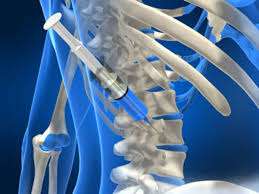
Urodynamic testing assesses how well the bladder functions by measuring pressure inside it while filling it with fluid. This information helps diagnose conditions affecting urination such as incontinence or obstruction issues more precisely than symptom evaluation alone can provide insights into necessary treatment options tailored specifically according each patient’s needs!
- This test evaluates bladder function, capacity, leakage patterns during events like coughs/sneezes as well as pressure changes during voiding which helps pinpoint specific dysfunctions causing urinary issues today!
- Preparing generally includes avoiding caffeine/alcohol prenatally - ensuring safe outcomes overall upon arrival appointment day!
- After exploring diagnostic results together post-testing session— physicians work collaboratively towards designing treatments aimed restoring optimal quality living while managing ongoing concerns present effectively every step through process ahead!
Ultimately , understanding these unique characteristics enabling successful outcomes encourages proactive approaches leading happier lives tomorrow !
BLADDER ULTRASOUND

A bladder ultrasound is a non-invasive imaging technique that provides real-time images of the bladder’s structure and function using sound waves. It’s commonly used to assess various urological disorders without radiation exposure.
- This diagnostic tool can help identify bladder stones, tumors, or abnormalities affecting bladder wall thickness.
- The procedure is painless and typically takes around 15-30 minutes from start to finish; patients do not require special preparation beforehand aside from drinking water pre-test to fill their bladders adequately for accurate imaging results.
Results from an ultrasound are usually available shortly after completion; follow-up appointments will clarify findings and discuss any necessary interventions based on your individual circumstances.
CYSTOSCOPY

Cystoscopy is a minimally invasive procedure that allows doctors to view the inside of the bladder using a thin tube equipped with a camera called a cystoscope. It's often recommended for various urinary problems.
- This procedure helps diagnose conditions related to urinary symptoms like frequent urination or blood in urine by allowing direct visualization of bladder abnormalities.
- Cystoscopy usually involves local anesthesia; however, sedation may also be utilized based on patient comfort preferences and case complexity.
- A biopsy can sometimes be performed during this procedure if abnormal tissues are detected; this aids in diagnosing conditions like bladder cancer or infection more accurately.
Cystoscopy is generally safe with minimal recovery time. Discuss any concerns you have about the procedure with your urologist prior to scheduling it for better preparedness.
PROSTATE SPECIFIC ANTIGEN (PSA) TEST

The PSA test is a blood test used primarily to screen for prostate cancer by measuring the level of prostate-specific antigen in the bloodstream. Elevated levels may indicate potential issues requiring further examination.
- This test is recommended for men over 50 years old or earlier if there's a family history of prostate cancer.
- The test is typically conducted via a simple blood draw at a medical facility.
- If PSA levels are elevated, additional diagnostic procedures like a biopsy may be required to confirm any abnormalities.
- It’s important to discuss potential risks and benefits with your healthcare provider before undergoing this screening test.
This test plays a crucial role in early detection; however, understanding what results mean is equally critical for informed decision-making regarding your health management plan.
KIDNEY STONES

Kidney stones form when certain substances in urine become highly concentrated. They can vary in size and may cause severe pain and discomfort when passing through the urinary tract.
- The primary symptoms include extreme pain in the back or side, blood in urine, nausea, and frequent urination.
- A diagnosis is typically made through X-rays, ultrasounds, or CT scans that visualize the stones.
- Treatment options range from increased fluid intake for smaller stones to medications or even surgical procedures for larger stones.
- Your diet may also be modified to include less salt or animal protein to reduce stone formation risk.
The recovery process depends on the size of the stone and chosen treatment; with effective care, most individuals recover fully without long-term consequences.
URINARY TRACT INFECTION (UTI)

Urinary Tract Infections (UTIs) are common infections that affect any part of the urinary system, primarily the bladder and urethra. They can cause discomfort and may lead to more serious health issues if untreated.
- Symptoms can include a strong urge to urinate, a burning sensation when urinating, cloudy or strong-smelling urine, and pelvic pain.
- The diagnosis usually involves urine tests to detect bacteria or pus in the urine.
- Treatment often consists of antibiotics, and it's crucial to complete the entire course even if symptoms improve quickly.
- Staying hydrated and maintaining proper hygiene can help prevent future infections.
- If UTIs recur frequently, further investigations such as imaging might be necessary to identify underlying issues.
With appropriate treatment, most UTIs resolve quickly and effectively. However, ignoring symptoms can lead to complications such as kidney infections.