
Dr Rahul Arora-
About Me
Dr Rahul Arora-
MBBS
Cardiologist
10 Years Experience
Biography
My Clinic
OPD Hours
| Monday | Morning | 10:00 AM | - | 02:00 PM |
| Evening | 06:00 PM | - | 09:00 PM | |
| Tuesday | Morning | 10:00 AM | - | 02:00 PM |
| Evening | 06:00 PM | - | 09:00 PM | |
| Wednesday | Morning | 10:00 AM | - | 02:00 PM |
| Evening | 06:00 PM | - | 09:00 PM | |
| Thursday | Morning | 10:00 AM | - | 02:00 PM |
| Evening | 06:00 PM | - | 09:00 PM | |
| Friday | Morning | 10:00 AM | - | 02:00 PM |
| Evening | 06:00 PM | - | 09:00 PM | |
| Saturday | Morning | 10:00 AM | - | 02:00 PM |
| Evening | 06:00 PM | - | 09:00 PM | |
| Sunday | Morning | 10:00 AM | - | 02:00 PM |
| Evening | 06:00 PM | - | 09:00 PM |
Treatments
Specialised care and treatments offered
CARDIAC STRESS TESTING

This non-invasive test evaluates how well the heart handles exertion by monitoring electrical activity during controlled exercise or pharmacologic stimulation if unable to exercise physically. It helps uncover underlying coronary artery disease that may not be apparent at rest.
- Purpose : To detect ischemia caused by narrowed coronary arteries leading to chest discomfort or reduced physical capacity .
- Test procedure : Involves treadmill running or bike riding while ECG data records heart responses ; alternatively , medication induces stress mimicking exercise effects if mobility limited .
- Diagnostic benefits : Identifies problems early allowing prompt initiation of preventive measures before severe events occur .
- Interpretation : Results assist cardiologists in tailoring treatment plans including lifestyle advice , medications , or further interventions .
This evaluation supports informed decision-making promoting better cardiovascular outcomes through timely detection under professional supervision .
ECHOCARDIOGRAM EVALUATION
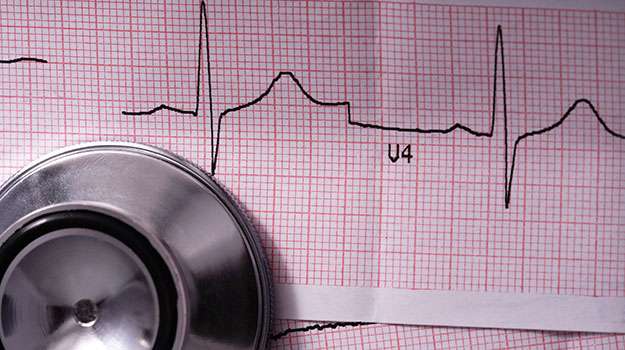
An echocardiogram uses ultrasound waves to produce detailed images of the heart's structure and function. It is an essential diagnostic tool for many cardiac conditions across all patient ages.
- Indications: Symptoms such as shortness of breath , chest pain , or abnormal murmurs warrant this evaluation .
- Procedure details: The test is painless , performed bedside , with no radiation exposure involved .
- Diagnostic insights: Assessment includes valve function , chamber sizes , wall motion abnormalities , and ejection fraction measurement .
- Clinical value: Echocardiograms guide management decisions , monitor disease progression , and evaluate effectiveness of treatments .
This safe imaging technique plays a vital role in early detection as well as routine follow-up care ensuring personalized cardiac health monitoring .
PERIPHERAL ARTERY DISEASE (PAD) INTERVENTION
This treatment targets narrowing or blockages in arteries outside the heart, frequently affecting legs. Timely intervention can relieve symptoms such as leg pain during walking caused by poor circulation.
- Description & symptoms: PAD results from plaque accumulation leading to claudication—pain triggered by physical activity due to insufficient blood flow.
- Diagnostic techniques: Ankle-brachial index testing and Doppler ultrasound assess severity of arterial obstruction noninvasively.
- Treatment modality: Minimally invasive angioplasty or stenting reopens affected vessels to restore adequate perfusion without major surgery.
- Lifestyle integration: Smoking cessation, exercise programs, and medication for cholesterol control complement procedural success rates strongly enhancing long-term health benefits.
HYPERTENSION MANAGEMENT
Treating high blood pressure is critical in preventing heart attacks, strokes, and other cardiovascular complications. Hypertension management combines lifestyle changes with medical therapy tailored individually.
- Main contributors: Genetics, diet high in salt, obesity, stress, and sedentary lifestyle commonly cause elevated blood pressure readings.
- Diagnosis methods: Regular monitoring through home or clinical measurements confirms persistent hypertension diagnosis.
- Treatment options: Lifestyle modifications like diet adjustment and exercise are first-line; antihypertensive drugs may be necessary for control.
- The goal: Maintaining blood pressure within recommended ranges reduces strain on arteries and vital organs significantly over time.
A comprehensive approach focusing on prevention and individualized care ensures optimal outcomes by effectively controlling hypertension risks.
CORONARY ANGIOPLASTY
This procedure helps to open narrowed or blocked coronary arteries to improve blood flow to the heart muscle. It’s especially valuable for patients experiencing chest pain or at risk of heart attacks.
- Underlying issues: Coronary artery disease from plaque buildup leads to reduced oxygen supply causing angina or discomfort.
- How it’s diagnosed: Stress tests and angiography visualize blockages requiring intervention.
- The treatment process: A balloon catheter is threaded to the affected artery and inflated to compress plaque; often a stent is placed to keep the artery open.
- Advantages: Less invasive than bypass surgery with shorter recovery time and immediate symptom relief.
- Post-procedure care: Medications like antiplatelets are used long-term to prevent re-narrowing of vessels.
This intervention provides prompt restoration of circulation, reducing chest pain and improving heart function effectively in many patients.
ATRIAL FIBRILLATION ABLATION
Atrial fibrillation (AFib) ablation is a minimally invasive procedure aimed at correcting irregular heart rhythms. It is often recommended when medications do not adequately control symptoms.
- Symptoms and causes: AFib causes rapid, irregular heartbeat leading to palpitations, fatigue, or dizziness.
- Diagnosis: Electrocardiogram (ECG) and Holter monitoring help confirm the diagnosis and assess arrhythmia patterns.
- Treatment approach: During ablation, targeted areas of heart tissue causing abnormal signals are destroyed using catheter-delivered energy.
- Procedure benefits: It can restore normal rhythm, reduce stroke risk, and improve quality of life without open surgery.
- Recovery expectations: Patients usually go home within a day and gradually resume regular activities over weeks.
This procedure offers an effective option for those struggling with persistent arrhythmias by directly addressing their source in a safe and controlled way.