
Dr Rajiv Gupta -
About Me
Dr Rajiv Gupta -
MD
Internal Medicine
10 Years Experience
Biography
My Clinic
OPD Hours
| Monday | Morning | 10:00 AM | - | 02:00 PM |
| Evening | 06:00 PM | - | 09:00 PM | |
| Tuesday | Morning | 10:00 AM | - | 02:00 PM |
| Evening | 06:00 PM | - | 09:00 PM | |
| Wednesday | Morning | 10:00 AM | - | 02:00 PM |
| Evening | 06:00 PM | - | 09:00 PM | |
| Thursday | Morning | 10:00 AM | - | 02:00 PM |
| Evening | 06:00 PM | - | 09:00 PM | |
| Friday | Morning | 10:00 AM | - | 02:00 PM |
| Evening | 06:00 PM | - | 09:00 PM | |
| Saturday | Morning | 10:00 AM | - | 02:00 PM |
| Evening | 06:00 PM | - | 09:00 PM | |
| Sunday | Morning | 10:00 AM | - | 02:00 PM |
| Evening | 06:00 PM | - | 09:00 PM |
Treatments
Specialised care and treatments offered
OSTEOPOROSIS RISK ASSESSMENT
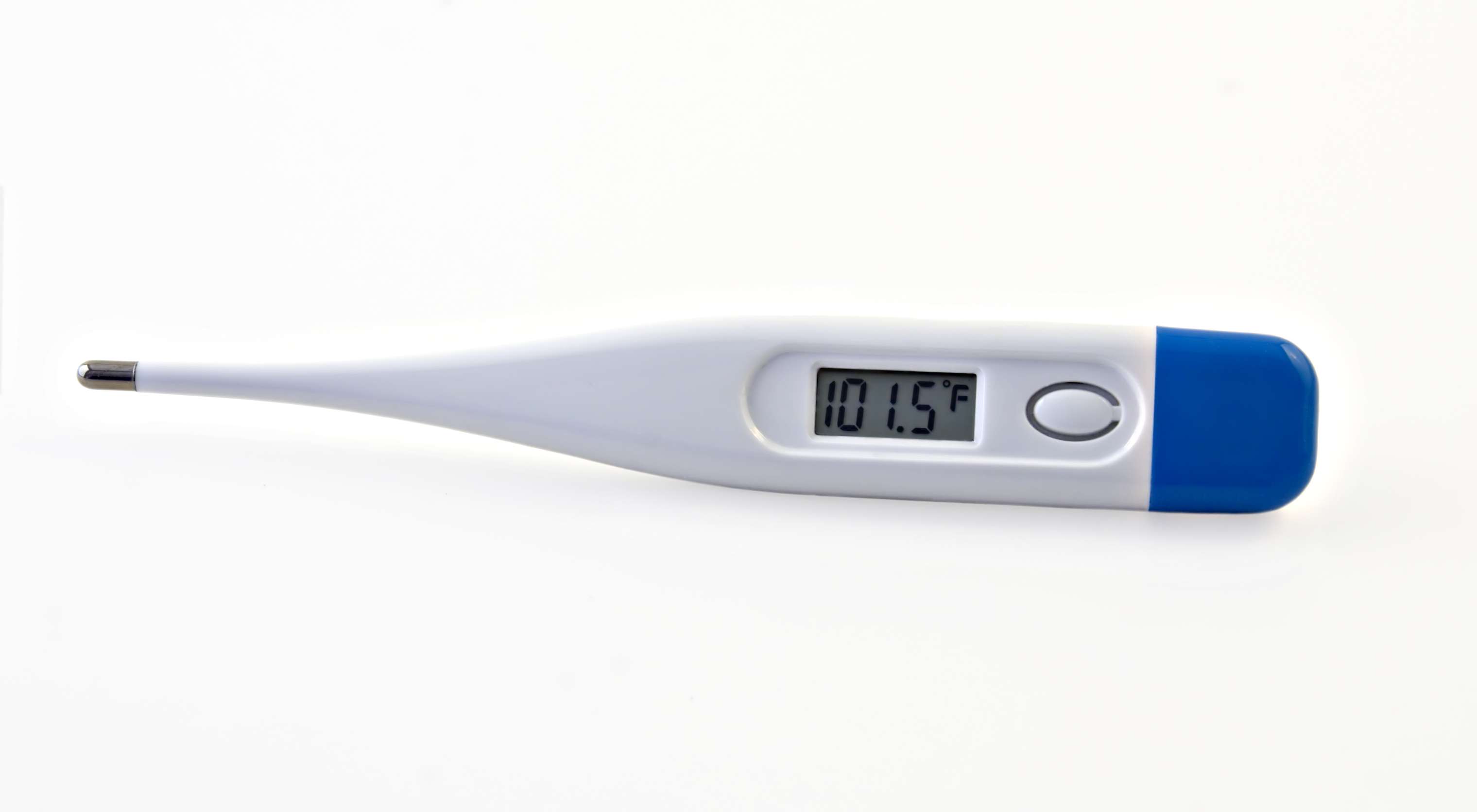
This assessment evaluates bone density and risk factors associated with osteoporosis—a condition that makes bones fragile. Understanding your risk enables proactive steps towards sustaining bone health through prevention strategies tailored from an early age onward!
- {{ }| } | li
ANNUAL HEALTH CHECK-UP
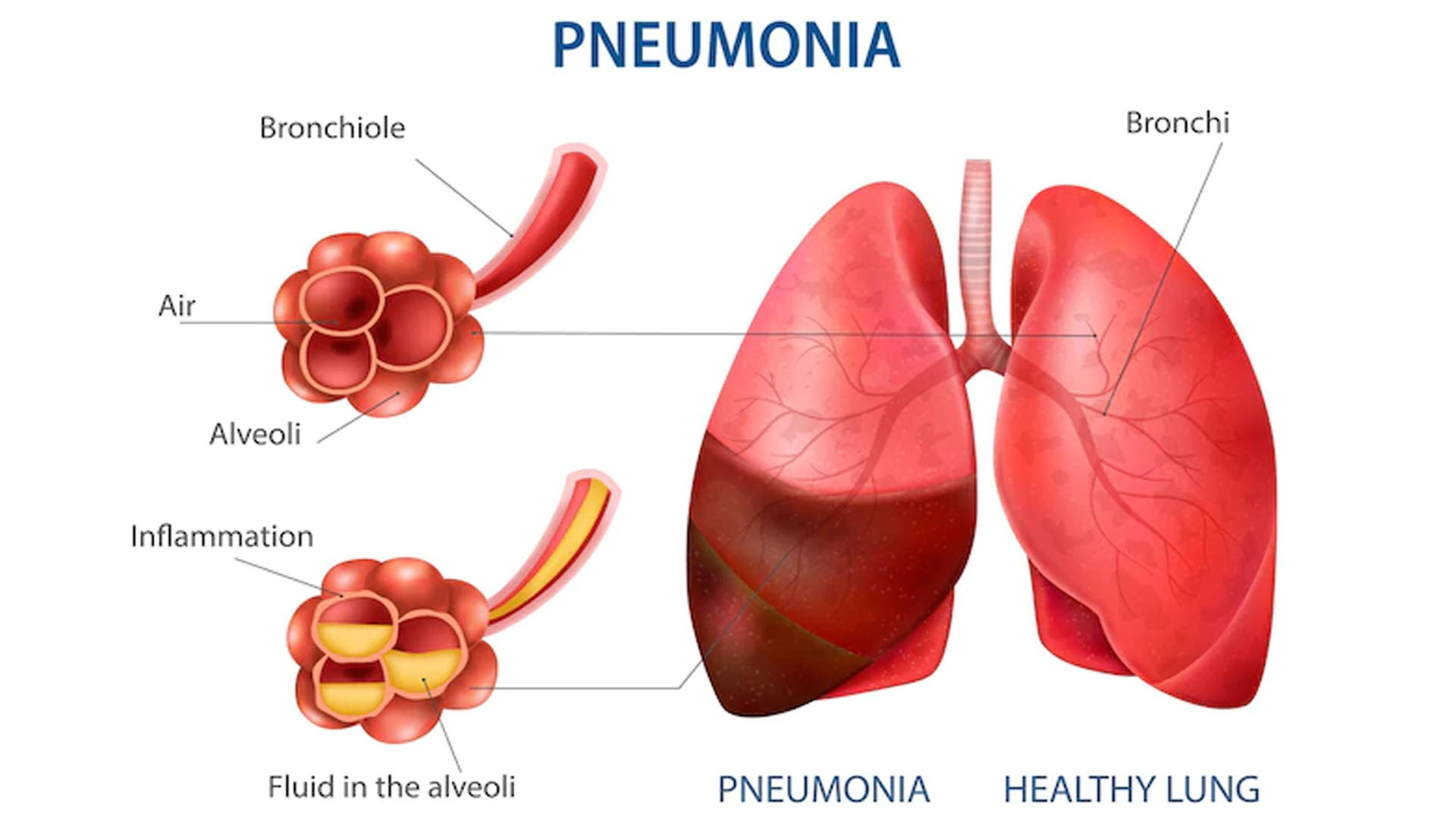
An annual health check-up is a vital preventive measure that allows physicians to assess overall health and identify potential issues before they become serious. It typically includes various screenings based on age and gender recommendations tailored to individual needs.
- Purpose: Early detection of health problems such as hypertension or diabetes helps initiate timely treatment plans.
LIPID PROFILE ASSESSMENT
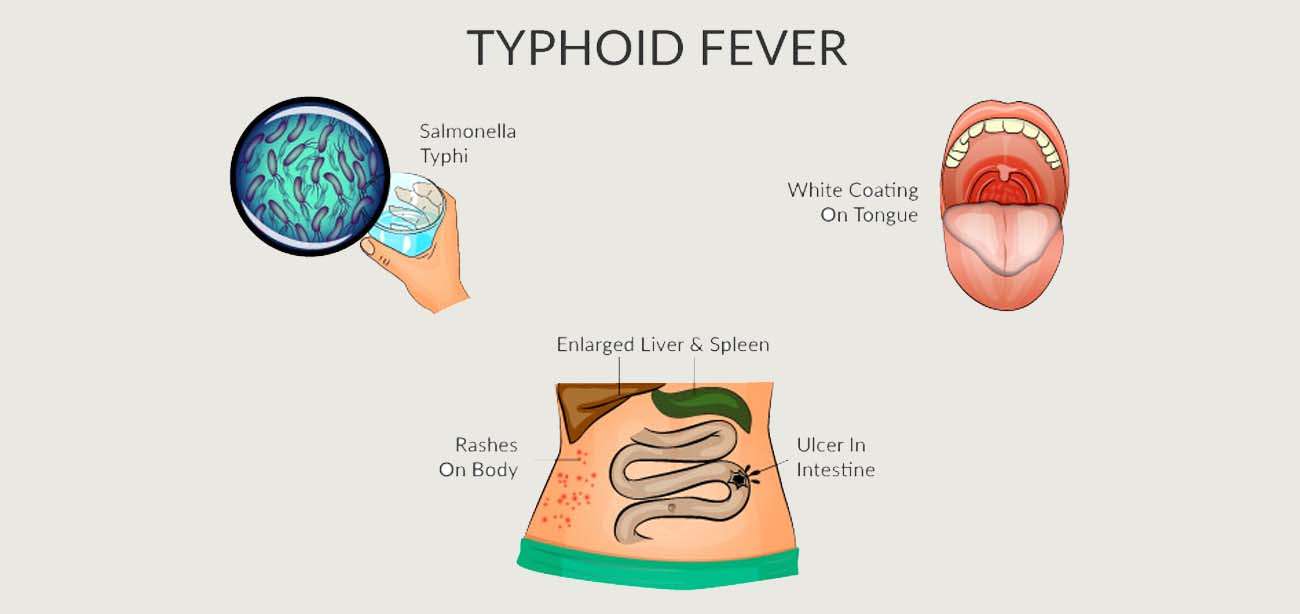
A lipid profile assessment evaluates levels of lipids in your blood, including cholesterol and triglycerides. This test helps determine your risk of heart disease and guides treatment plans aimed at cardiovascular health. Regular screenings are essential for early detection of abnormalities in lipid levels.
- Symptoms: There are generally no symptoms; hence testing is crucial even in asymptomatic individuals.
- Causes of Abnormalities: Diet high in saturated fats, sedentary lifestyle, genetic predisposition can affect lipid levels negatively.
- Diagnosis: A simple blood test measures total cholesterol, LDL (bad) cholesterol, HDL (good) cholesterol, and triglycerides.
- Treatment Options: Depending on the results, management may include dietary modifications or medication like statins to lower cholesterol levels.
A proactive approach to managing your lipid profile can contribute significantly to reducing heart disease risks over time.
DIABETES SCREENING
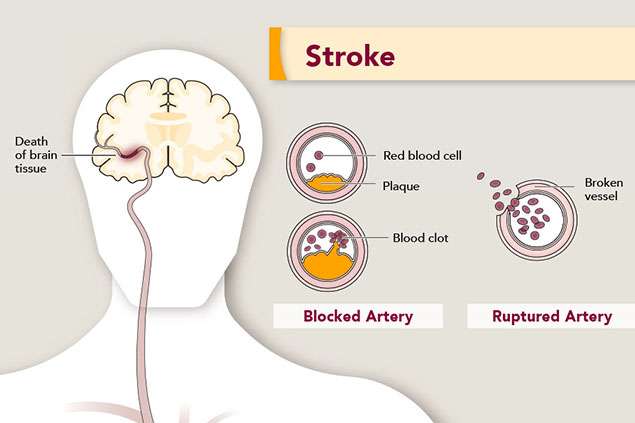
Diabetes is a chronic condition that affects how your body processes blood sugar (glucose). Screening for diabetes is critical, especially for individuals with risk factors such as obesity or family history. Early detection through screening allows for timely intervention and better management of the disease.
- Symptoms: Increased thirst, frequent urination, fatigue, and blurred vision are common indicators.
- Diagnosis: Blood tests such as fasting plasma glucose or HbA1c are used to confirm diabetes status.
- Treatment Options: Management options include lifestyle changes like diet alterations and increased physical activity, along with medications if necessary.
- What to Expect: Early intervention can prevent complications like cardiovascular diseases or nerve damage associated with unmanaged diabetes.
If you are at risk for diabetes, regular screenings can be life-changing in preventing serious health issues down the line.
HYPERTENSION MANAGEMENT
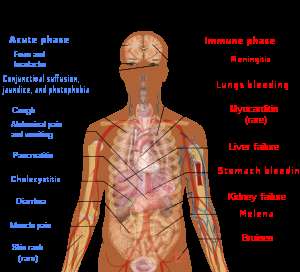
Hypertension, often referred to as high blood pressure, is a common condition that can lead to serious health complications if left untreated. This condition occurs when the force of the blood against the artery walls is too high. Regular monitoring and effective management are crucial for maintaining overall cardiovascular health.
- Symptoms: Many individuals with hypertension may not experience symptoms, making it vital to have regular check-ups.
- Causes: Factors include genetics, obesity, poor diet, and lack of physical activity.
- Diagnosis: Blood pressure is typically measured using a sphygmomanometer during routine visits.
- Treatment Options: Management may involve lifestyle changes such as diet and exercise, along with medications like diuretics or ACE inhibitors.
- What to Expect: With proper treatment and lifestyle adjustments, most patients can achieve their target blood pressure levels.
Managing hypertension effectively can significantly reduce the risk of heart disease and other related conditions.