
Dr Suresh Yadav-
About Me
Dr Suresh Yadav-
MD
Dermatologist
10 Years Experience
Biography
My Clinic
OPD Hours
| Monday | Morning | 10:00 AM | - | 02:00 PM |
| Evening | 06:00 PM | - | 09:00 PM | |
| Tuesday | Morning | 10:00 AM | - | 02:00 PM |
| Evening | 06:00 PM | - | 09:00 PM | |
| Wednesday | Morning | 10:00 AM | - | 02:00 PM |
| Evening | 06:00 PM | - | 09:00 PM | |
| Thursday | Morning | 10:00 AM | - | 02:00 PM |
| Evening | 06:00 PM | - | 09:00 PM | |
| Friday | Morning | 10:00 AM | - | 02:00 PM |
| Evening | 06:00 PM | - | 09:00 PM | |
| Saturday | Morning | 10:00 AM | - | 02:00 PM |
| Evening | 06:00 PM | - | 09:00 PM | |
| Sunday | Morning | 10:00 AM | - | 02:00 PM |
| Evening | 06:00 PM | - | 09:00 PM |
Treatments
Specialised care and treatments offered
SEBORRHEIC DERMATITIS
This chronic inflammatory skin disease primarily impacts areas rich in sebaceous glands such as the scalp and face. It causes flaky scales accompanied by redness and itching that can wax and wane over time.
ALOPECIA AREATA
Alopecia Areata is an autoimmune disorder resulting in patchy hair loss that can affect both children and adults. The immune system mistakenly attacks hair follicles leading to hair shedding.
- Disease Manifestation: Sudden onset of round bald patches usually without scarring; eyebrows or body hair can also be involved in some cases.
- Manner of Diagnosis: Physical exam complemented by medical history; biopsy uncommon but used when diagnosis unclear.
- Therapeutic Options Include: Corticosteroid injections into affected areas are commonly effective; topical immunotherapy and minoxidil serve as adjuncts for stimulating regrowth;
MELASMA
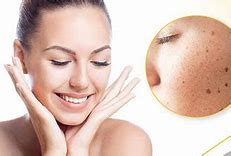
A pigmentary disorder mainly seen in adults characterized by symmetrical brownish patches most often appearing on the face. Hormonal influence plays an important role in its development.
- Causative Factors: Excessive sun exposure combined with hormonal changes related to pregnancy or contraceptives exacerbate melasma formation.
- Identification Pattern: Diagnosis is based on clinical appearance supported by Wood’s lamp examination if needed to determine depth of pigmentation.
- Treatment Regimen: Sun protection is critical; topical agents such as hydroquinone or azelaic acid lighten pigmentation while chemical peels or laser therapy may be considered carefully under expert supervision.
The condition tends to be persistent but manageable with diligent sun avoidance and appropriate dermatologic care focused on reducing discoloration gradually.
ATOPIC DERMATITIS (ECZEMA)
This inflammatory skin condition frequently begins in early childhood but may continue or start in adulthood. It causes itchy and red patches often impacting quality of life due to discomfort.
- Main Symptoms: Dryness, intense itching, redness, swelling and sometimes skin thickening or crusting especially on hands, face, neck and inner joints.
- Diagnostic Process: Clinical observation supplemented by patient history; allergy testing might assist in identifying triggers.
- Treatment Approach: Emollients/hydrating creams are fundamental; topical corticosteroids reduce inflammation while severe cases may require systemic drugs or phototherapy.
- Avoidance Strategies: Identifying irritants like soaps or allergens assists in preventing exacerbations.
The goal is controlling itchiness and keeping the skin barrier intact for long-term relief from flare-ups.
PSORIASIS
Psoriasis is a chronic autoimmune disorder that accelerates the life cycle of skin cells leading to scaling and inflammation. It can affect individuals of all ages with recurrent flare-ups.
- Symptoms Overview: Presents as thickened red patches covered with silvery scales commonly found on elbows, knees, scalp, and lower back.
- How It Is Diagnosed: Usually identified through physical examination; occasionally a biopsy confirms diagnosis if uncertain.
- Treatment Methods: Topical corticosteroids, vitamin D analogues, phototherapy, systemic agents like methotrexate or biologic therapies depending on severity.
- Lifestyle Impact: Stress management and avoiding triggers such as infections can reduce flare frequency.
A comprehensive approach combining medical treatments with lifestyle adjustments helps manage symptoms effectively over time.
ACNE VULGARIS
Acne Vulgaris is a common skin condition affecting hair follicles and sebaceous glands. It predominantly appears during adolescence but can persist into adulthood, causing various types of skin lesions.
- Symptoms and Causes: Characterized by whiteheads, blackheads, pimples, cysts, and sometimes scarring; triggered by hormonal changes, excess oil production, bacteria, and inflammation.
- Diagnosis: Primarily clinical through physical examination of the skin; severity assessment guides treatment options.
- Treatment Options: Includes topical retinoids, benzoyl peroxide, antibiotics, hormonal therapy for females, and in severe cases oral isotretinoin.
- Management Tips: Regular gentle cleansing, avoiding harsh scrubs or squeezing lesions to prevent scarring.
- Expectations: Improvement may take several weeks; consistent adherence to prescribed therapy is key to success.
This condition requires patience and tailored treatment plans to minimize long-term effects and improve skin texture.