
Dr Vidhi’s DERMA
About Me
Dr Vidhi’s DERMA
Dermatologist
Biography
My Clinic
OPD Hours
| Monday | Morning | 10:00 AM | - | 02:00 PM |
| Evening | 06:00 PM | - | 09:00 PM | |
| Tuesday | Morning | 10:00 AM | - | 02:00 PM |
| Evening | 06:00 PM | - | 09:00 PM | |
| Wednesday | Morning | 10:00 AM | - | 02:00 PM |
| Evening | 06:00 PM | - | 09:00 PM | |
| Thursday | Morning | 10:00 AM | - | 02:00 PM |
| Evening | 06:00 PM | - | 09:00 PM | |
| Friday | Morning | 10:00 AM | - | 02:00 PM |
| Evening | 06:00 PM | - | 09:00 PM | |
| Saturday | Morning | 10:00 AM | - | 02:00 PM |
| Evening | 06:00 PM | - | 09:00 PM | |
| Sunday | Morning | 10:00 AM | - | 02:00 PM |
| Evening | 06:00 PM | - | 09:00 PM |
Treatments
Specialised care and treatments offered
WART REMOVAL
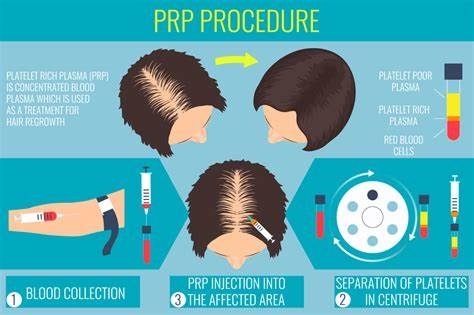
Warts are benign tumors caused by human papillomavirus (HPV) infection. Though harmless, they can be bothersome both physically and aesthetically. Being knowledgeable about treatment options ensures effective wart management.
- The main indicator includes small growths that may appear anywhere on the body but commonly show up on hands/feet .
MELASMA TREATMENT
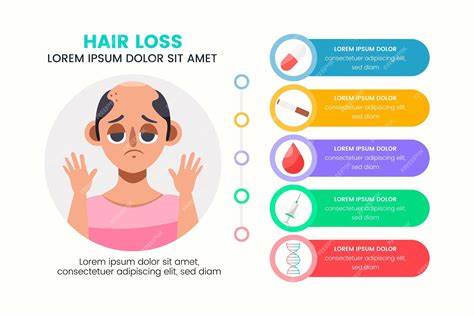
Melasma is characterized by brown or gray-brown patches on the face mainly due to hormonal changes often linked to pregnancy or birth control use. Recognizing this condition fosters understanding of its effects on appearance and emotional well-being.
- The primary symptom involves hyperpigmented areas that typically appear symmetrically on cheeks, forehead, or upper lip.
- A thorough evaluation including patient history aids in the diagnosis process.
- Treatment options consist of topical agents like hydroquinone combined with sun protection measures for best results.
This condition does not pose health risks but understanding management options helps preserve confidence in appearance over time.
SKIN CANCER SCREENING
Regular screenings for skin cancer are essential for early detection and successful treatment. Skin cancer arises from uncontrolled growth of abnormal skin cells often triggered by UV radiation exposure. Vigilance is vital in promoting healthy outcomes.
- Main signs include new growths or changes in existing moles or spots on the skin.
- The diagnosis process may involve visual examinations along with biopsy procedures if abnormalities are noted.
- Treatment varies based on type and stage but may include surgical removal or targeted therapies.
- Prevention through sun protection measures significantly lowers risks associated with skin cancer development.
Early detection through regular checks can dramatically improve prognosis for any type of skin cancer.
ECZEMA TREATMENT
Eczema, or atopic dermatitis, presents as inflamed and itchy skin that can be both uncomfortable and distressing. It's often triggered by environmental factors or allergens. Learning about eczema can empower individuals to manage their symptoms efficiently.
- Symptoms include dry patches of skin, intense itching, and redness.
- The diagnosis is made through patient history and physical examination of affected areas.
- Treatment typically includes moisturizing ointments and anti-inflammatory medications.
- Avoiding known irritants plays a critical role in prevention strategies.
This condition can significantly impact quality of life; however, with proper care, it can be managed effectively over time.
PSORIASIS MANAGEMENT
Psoriasis is a chronic autoimmune condition characterized by red, scaly patches on the skin. This disorder occurs due to an accelerated skin cell life cycle, which causes skin cells to build up rapidly. Awareness of psoriasis helps in better management strategies.
- Common symptoms include raised plaques covered with silvery scales and itching sensations.
- Diagnosis usually involves physical examination and sometimes a skin biopsy.
- Treatment may involve topical therapies, phototherapy, or systemic treatments for more severe cases.
- Lifestyle modifications like stress management can also aid in controlling flare-ups.
Understanding your body’s triggers is key in managing psoriasis effectively over time.
ACNE TREATMENT
Acne is a common skin condition that affects many individuals, primarily during adolescence and adulthood. It occurs when hair follicles become clogged with oil and dead skin cells, leading to pimples and various types of lesions. Understanding the nature of acne is crucial for effective management.
- Symptoms may include blackheads, whiteheads, pustules, and cysts.
- Diagnosis is typically based on visual examination of the skin.
- Treatment options range from topical creams to oral medications and lifestyle adjustments.
- Minimally invasive procedures such as chemical peels or laser therapy can be beneficial in severe cases.
- A comprehensive skincare routine is essential for long-term management.
With appropriate treatment and care, acne can be effectively managed, leading to clearer skin and improved self-esteem.