
Dr Vijay Yadav -
About Me
Dr Vijay Yadav -
MBBS
Oncologist
10 Years Experience
Biography
My Clinic
OPD Hours
| Monday | Morning | 10:00 AM | - | 02:00 PM |
| Evening | 06:00 PM | - | 09:00 PM | |
| Tuesday | Morning | 10:00 AM | - | 02:00 PM |
| Evening | 06:00 PM | - | 09:00 PM | |
| Wednesday | Morning | 10:00 AM | - | 02:00 PM |
| Evening | 06:00 PM | - | 09:00 PM | |
| Thursday | Morning | 10:00 AM | - | 02:00 PM |
| Evening | 06:00 PM | - | 09:00 PM | |
| Friday | Morning | 10:00 AM | - | 02:00 PM |
| Evening | 06:00 PM | - | 09:00 PM | |
| Saturday | Morning | 10:00 AM | - | 02:00 PM |
| Evening | 06:00 PM | - | 09:00 PM | |
| Sunday | Morning | 10:00 AM | - | 02:00 PM |
| Evening | 06:00 PM | - | 09:00 PM |
Treatments
Specialised care and treatments offered
MALIGNANT PLEURAL EFFUSION

A pleural effusion caused by cancer cells invading the pleural space results in fluid accumulation around the lungs impairing breathing and oxygen exchange. This frequently complicates advanced cancers like lung or breast carcinoma.
- Clinical features include : Progressive breathlessness , chest discomfort , cough .
- Pathophysiology : Tumor involvement disrupts normal pleural fluid production/resorption balance leading to effusion ; sometimes associated with infection .
- Diagnostic tools : Chest X-ray shows fluid collection ; thoracentesis obtains fluid sample confirming malignancy cytologically ; CT scans assess underlying tumor spread .
- Management approaches : Therapeutic drainage relieves symptoms temporarily ; pleurodesis uses chemical agents preventing fluid re-accumulation ; indwelling pleural catheters allow home drainage for recurrent effusions .
Efficacious symptom control through appropriate management significantly enhances quality of life in patients facing malignant pleural effusions while ongoing systemic therapies address tumor burden concurrently.
SUPERIOR VENA CAVA SYNDROME
This syndrome arises when a tumor compresses or invades the superior vena cava (SVC), impairing blood flow from the upper body back to the heart. It is often associated with lung cancers but can occur with other thoracic malignancies as well.
- Symptoms : Swelling of face/neck/upper limbs , shortness of breath , cough , headaches , dilated chest veins .
- Cause : Malignant obstruction mostly by small cell lung carcinoma or lymphoma , also thrombosis induced by central venous catheters .
- Diagnosis : Contrast-enhanced CT scan confirms location/extent ; venography may assist planning .
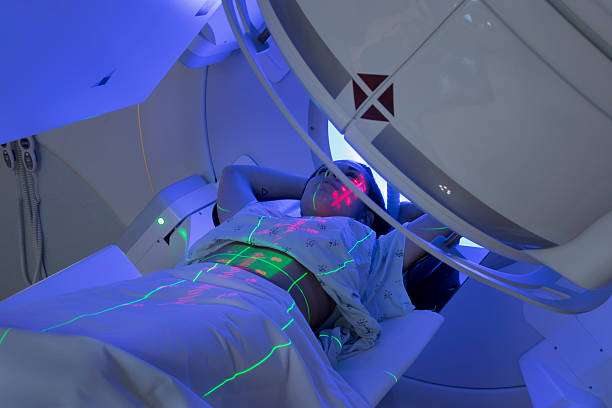
- Treatment includes : Radiation therapy for radiosensitive tumors ; stenting of SVC ; corticosteroids reduce swelling when inflammation contributes .
Rapid diagnosis followed by targeted interventions relieves symptoms , prevents complications such as cerebral edema , improving comfort and outcomes for affected patients with thoracic malignancies .
FEBRILE NEUTROPENIA

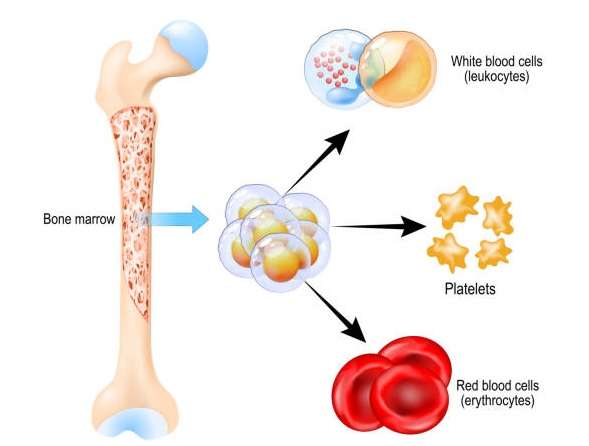
This condition describes fever occurring alongside a dangerously low neutrophil count during cancer treatment. It represents a medical emergency because infection risk rises sharply without these white blood cells protecting the body.
- Causative factors: Cytotoxic chemotherapy suppressing bone marrow leads to neutropenia combined with infections that trigger fever.
- Presents as: Fever over 38°C (100.4°F), chills alongside malaise but often without obvious infection site due to impaired immune response.
- The diagnosis: Blood counts confirm neutropenia; cultures help identify pathogens though may be negative early on; imaging might find hidden infection sources.
- Treatment priority: Immediate empiric broad-spectrum antibiotics administered after blood cultures aimed at covering most common bacteria; hospitalization usually required for close monitoring supportive care including fluids/blood products as needed.
The outcome depends greatly on timely recognition and initiation of therapy. Preventive measures during chemotherapy cycles also reduce febrile neutropenia risk improving safety during cancer care regimens.
HYPERCALCEMIA OF MALIGNANCY
An elevated calcium level in the blood can occur as a complication in cancer patients due to abnormal bone metabolism or hormone-like substances secreted by tumors. This condition requires urgent evaluation and management.
- Main causes: Bone metastases causing increased bone breakdown or secretion of parathyroid hormone-related protein by tumors especially lung or breast cancer.
- Signs & symptoms:: Nausea, vomiting, constipation, confusion, excessive thirst and frequent urination may indicate high calcium levels.
- The diagnosis: Blood chemistry will show raised serum calcium with suppressed parathyroid hormone levels helping distinguish malignancy-related hypercalcemia from other causes.
- Treatment involves: Intravenous fluids for hydration; bisphosphonates inhibit bone resorption; sometimes dialysis is needed if severe kidney impairment occurs.
A prompt approach to hypercalcemia can relieve symptoms and prevent serious complications such as cardiac arrhythmias or coma. Regular monitoring allows early detection in at-risk patients undergoing cancer therapy.
SPINAL CORD COMPRESSION FROM METASTATIC CANCER
Spinal cord compression occurs when metastatic tumors press on the spinal cord or nerves causing neurological deficits. It is an oncologic emergency requiring immediate attention.
- Symptoms: Back pain worsening at night or with movement, weakness in limbs, sensory loss, or bowel/bladder dysfunction.
- Causes: Cancer spreading from primary tumors (breast, lung, prostate) to vertebrae leading to vertebral collapse or mass effect.
- Diagnosis: Magnetic Resonance Imaging (MRI) is the gold standard to locate compression and assess extent.
- Treatment options: High-dose corticosteroids reduce swelling; urgent radiotherapy or surgery aims to relieve pressure and restore function.
- Prognosis depends on how quickly treatment begins after symptom onset; early intervention improves chances of recovery.
If symptoms suggest spinal cord compression in a cancer patient, immediate evaluation is crucial. Timely therapy can prevent permanent neurological damage and improve quality of life.
TUMOR LYSIS SYNDROME
Tumor Lysis Syndrome (TLS) occurs when cancer cells break down rapidly, releasing their contents into the bloodstream. This can cause dangerous imbalances in electrolytes and metabolic disturbances.
- Causes: Most commonly arises after chemotherapy starts in cancers with high cell turnover like leukemia and lymphoma.
- Symptoms: Include nausea, vomiting, muscle cramps, weakness, seizures, and irregular heartbeat due to electrolyte disturbances.
- Diagnosis: Blood tests reveal elevated uric acid, potassium, phosphate, and decreased calcium levels; kidney function tests are critical.
- Treatment: Focuses on aggressive hydration, medications to lower uric acid such as allopurinol or rasburicase, correction of electrolyte imbalances, and sometimes dialysis.
- Monitoring: Continuous blood work is essential during high-risk treatment phases to detect TLS early.
Early recognition and prompt management of Tumor Lysis Syndrome are vital for preventing serious complications including acute kidney injury. Patients undergoing treatment for aggressive cancers should be closely observed for signs of TLS.