
Dr Vivek Rungta -
About Me
Dr Vivek Rungta -
Dermatologist
Biography
My Clinic
OPD Hours
| Monday | Morning | 10:00 AM | - | 02:00 PM |
| Evening | 06:00 PM | - | 09:00 PM | |
| Tuesday | Morning | 10:00 AM | - | 02:00 PM |
| Evening | 06:00 PM | - | 09:00 PM | |
| Wednesday | Morning | 10:00 AM | - | 02:00 PM |
| Evening | 06:00 PM | - | 09:00 PM | |
| Thursday | Morning | 10:00 AM | - | 02:00 PM |
| Evening | 06:00 PM | - | 09:00 PM | |
| Friday | Morning | 10:00 AM | - | 02:00 PM |
| Evening | 06:00 PM | - | 09:00 PM | |
| Saturday | Morning | 10:00 AM | - | 02:00 PM |
| Evening | 06:00 PM | - | 09:00 PM | |
| Sunday | Morning | 10:00 AM | - | 02:00 PM |
| Evening | 06:00 PM | - | 09:00 PM |
Treatments
Specialised care and treatments offered
ROSACEA
This chronic inflammatory condition leads to facial redness particularly affecting cheeks & nose along with potential pustules resembling acne. Its course varies widely among individuals prompting unique symptomatology considerations
- Symptoms: Aside from persistent flushing blush-like tone can evolve towards visible blood vessels bumps producing discomfort occasionally associated stinging/burning sensations
- Causes: Triggers differ per person ranging from environmental stimuli (sunlight) stressors spicy foods/tobacco contributing breakdown protective barriers within dermal tissues
- Diagnosis: Observation remains primary diagnostic measure utilizing patient history describing flares coupled symptomatic variations assisting clinician recognition patterns
- Treatment Options: Approaches feature lifestyle changes dietary modifications topical treatments comprising metronidazole alongside laser therapies delivering effective redness reduction
- What To Expect: Continuing care paramount; education equips patients manage ongoing interactions safeguarding against exacerbations through behavioral adjustments significantly ameliorating symptoms' burden
Knowledge about rosacea empowers individuals endure comfort achieving desirable aesthetic results persistently observing regular consultations ensuring overall wellness proportions maintained effectively throughout conditions' trajectory
MELASMA
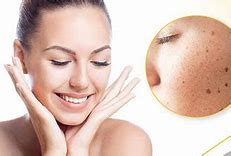
This common pigmentation disorder results in brown or gray-brown patches on sun-exposed areas of the face. It's especially prevalent among women during their reproductive years due to hormonal influences.
- Symptoms: Typical signs include symmetrical brown patches usually located on the cheeks, forehead, nose bridge & upper lip without associated pain or discomfort
Awareness regarding melasma allows early intervention which considerably improves appearance resulting in heightened self-esteem during its management journey
ACNE
This common skin condition occurs when hair follicles become clogged with oil and dead skin cells. Acne primarily affects teenagers but can persist into adulthood for many people.
- Symptoms: Key manifestations include blackheads, whiteheads, pimples, cysts, oily skin, and potential scarring if left untreated.
- Causes: Hormonal changes during puberty are a primary factor; however, genetics also play a significant role along with certain medications or diets leading to flare-ups.
- Diagnosis: A dermatologist will perform an evaluation based on clinical signs; sometimes blood tests are used for hormonal assessments if necessary.
- Treatment Options: Treatment ranges from topical retinoids and antibacterial agents to oral medications such as antibiotics or hormonal therapies based on severity.
- What to Expect: Regular follow-ups usually help monitor progress as treatment plans can require adjustments over time for optimal results.
Efficacy in treating acne builds confidence while minimizing long-term impacts such as scarring or emotional distress associated with visible blemishes.
ECZEMA
Eczema, or atopic dermatitis, is a chronic inflammatory condition that causes itchy, red, and swollen skin. It often begins in childhood but can persist into adulthood.
- Symptoms: Symptoms include dry patches of skin that may oozing or crusting over time, intense itching that worsens at night, and areas of thickened skin from rubbing.
- Causes: The exact cause remains unclear; however, it's associated with a dysfunctional skin barrier and hypersensitivity to allergens or irritants.
- Diagnosis: A thorough examination and patient history are essential for diagnosis. Allergies may also be tested through patch testing if needed.
- Treatment Options: Treatment focuses on moisturizing routines and topical steroids. Antihistamines may be prescribed to relieve severe itching.
- What to Expect: Eczema is typically manageable with appropriate care strategies but can recur periodically throughout one’s life.
A proactive approach to eczema can significantly improve symptoms and enhance daily living experiences.
PSORIASIS
Psoriasis is a chronic autoimmune condition characterized by the rapid growth of skin cells leading to thick, red, scaly patches on the skin. It can affect any part of the body and varies in severity among individuals.
- Symptoms: Common symptoms include red patches covered with thick, silvery scales, dry and cracked skin that may bleed, itching or burning sensations, and thickened or ridged nails.
- Causes: While the exact cause is unknown, it is believed to involve a combination of genetic and environmental factors that trigger an immune response.
- Diagnosis: Diagnosis typically involves a physical examination and medical history review. In some cases, a skin biopsy may be performed to confirm the condition.
- Treatment Options: Management includes topical treatments like corticosteroids, phototherapy (light therapy), and systemic medications that affect the entire body.
- What to Expect: Psoriasis can fluctuate with periods of worsening symptoms followed by remissions. Long-term management is often required to control flare-ups.
Understanding psoriasis helps in managing its symptoms effectively and improving quality of life.