
Drkamal Kumar- P
About Me
Drkamal Kumar- P
MBBS
Therapist
10 Years Experience
Biography
My Clinic
OPD Hours
| Monday | Morning | 10:00 AM | - | 02:00 PM |
| Evening | 06:00 PM | - | 09:00 PM | |
| Tuesday | Morning | 10:00 AM | - | 02:00 PM |
| Evening | 06:00 PM | - | 09:00 PM | |
| Wednesday | Morning | 10:00 AM | - | 02:00 PM |
| Evening | 06:00 PM | - | 09:00 PM | |
| Thursday | Morning | 10:00 AM | - | 02:00 PM |
| Evening | 06:00 PM | - | 09:00 PM | |
| Friday | Morning | 10:00 AM | - | 02:00 PM |
| Evening | 06:00 PM | - | 09:00 PM | |
| Saturday | Morning | 10:00 AM | - | 02:00 PM |
| Evening | 06:00 PM | - | 09:00 PM | |
| Sunday | Morning | 10:00 AM | - | 02:00 PM |
| Evening | 06:00 PM | - | 09:00 PM |
Treatments
Specialised care and treatments offered
BIOFEEDBACK THERAPY
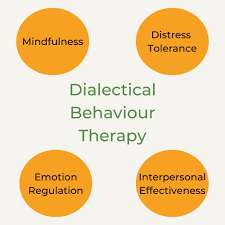
This technique involves using electronic monitoring devices that provide real-time feedback about bodily functions such as heart rate or muscle activity. This information enables patients to gain voluntary control over physiological processes linked with stress or pain responses.
- The Main uses : Often applied in managing headaches , chronic pain , hypertension , anxiety , and certain neurological conditions .
- Diagnosis : Baseline assessments determine problem areas related primarily to autonomic nervous system dysregulation .
- Treatment / management : Visual or auditory cues guide patients during sessions helping them learn how relaxation alters these functions .
- Expectations : As sessions progress , improved self-regulation leads not only to symptom reduction but also heightened bodily awareness enabling proactive health management .
Biofeedback complements traditional therapy approaches providing an interactive avenue towards greater psychological resilience .
RELAXATION TECHNIQUES TRAINING
The incorporation of relaxation methods into daily routine serves as an effective way to manage stress-related symptoms. Techniques include deep breathing exercises, progressive muscle relaxation, and guided imagery.
- Symptoms/causes: Indicated for patients dealing with general anxiety, tension headaches, insomnia caused by stress, or muscle tightness due to psychological distress.
- Diagnosis: Identification of physiological signs of stress such as elevated heart rate or muscle tension during evaluation sessions supports intervention planning.
- Treatment/management: Patients are taught specific exercises to actively reduce autonomic arousal when feeling overwhelmed or anxious.
- What to expect: Regular practice leads to enhanced control over physical reactions associated with anxiety enhancing overall relaxation capacity.
EXPOSURE THERAPY
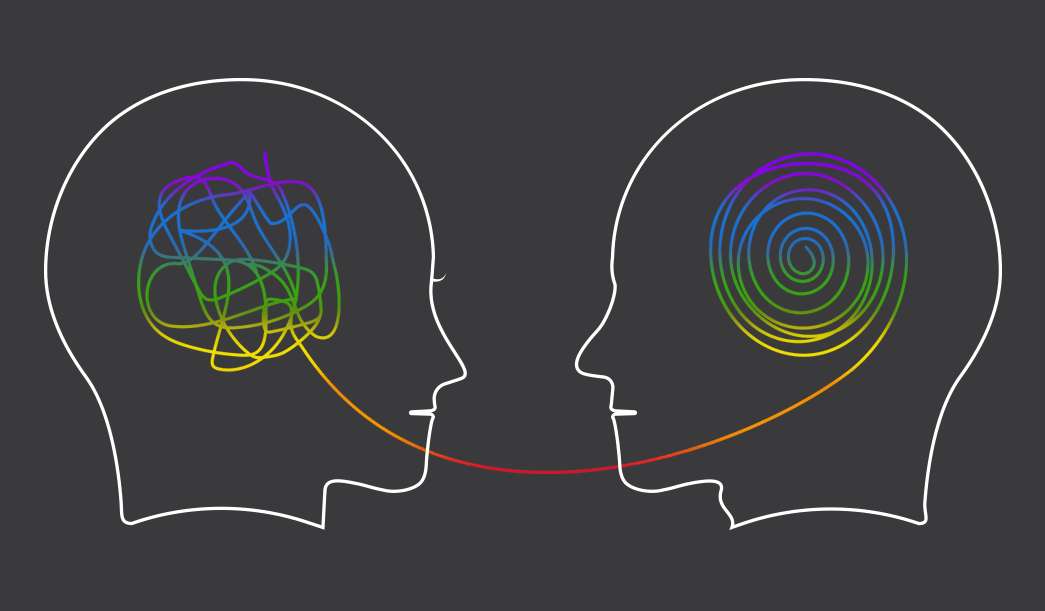
A behavioral technique aimed at helping people confront fears or traumatic memories safely. By gradually exposing the individual to feared stimuli under controlled conditions, anxiety responses can be diminished over time.
- Symptoms/causes: Primarily used for phobias, PTSD, obsessive-compulsive disorder (OCD), and panic attacks triggered by specific objects or situations.
- Diagnosis: Diagnosis includes identifying avoidance behaviors linked directly to anxiety-provoking triggers.
- Treatment/management: Systematic exposure sequences are planned carefully with therapist guidance to avoid overwhelming the patient while promoting habituation.
- What to expect: Sessions can be challenging but are conducted safely; gradual reduction of fear is anticipated as treatment advances.
This therapy provides lasting relief by retraining the brain’s response mechanisms through repeated controlled exposure experiences.
INTERPERSONAL THERAPY (IPT)
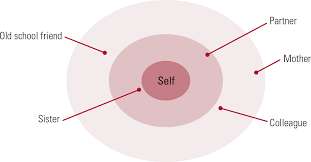
This therapeutic method centers on improving interpersonal relationships which can be a major contributor to mental health problems like depression. IPT focuses on communication skills and social functioning enhancement.
- Symptoms/causes: Useful when mood disorders stem from unresolved grief, role transitions, or conflict in relationships.
- Diagnosis: Thorough assessment of personal relationships and social support systems is conducted prior to therapy.
- Treatment/management: Sessions target identifying problematic interpersonal issues and developing practical strategies for resolution.
- What to expect: Improvement in relationship dynamics along with mood stabilization generally occurs within 12–16 weeks.
This approach strengthens social connections which plays a crucial role in overall emotional health improvement.
MINDFULNESS-BASED STRESS REDUCTION (MBSR)
Mindfulness-Based Stress Reduction is an evidence-based approach designed to reduce stress through mindfulness meditation and body awareness. It cultivates present-moment focus to improve mental clarity and calmness.
- Symptoms/causes: Highly beneficial for chronic stress, anxiety disorders, and pain management.
- Diagnosis: Evaluation of stress levels, emotional difficulties, and physical symptoms related to tension.
- Treatment/management: Includes guided meditation practices, gentle yoga, and group support sessions over several weeks.
- What to expect: Participants often notice improved concentration and reduced emotional reactivity after consistent practice.
MBSR offers a holistic framework that helps patients develop resilience against daily life’s pressures through increased self-awareness.
COGNITIVE BEHAVIORAL THERAPY (CBT)
Cognitive Behavioral Therapy is a widely used psychological treatment that helps patients identify and change negative thought patterns. It is effective for various mental health issues and focuses on the connection between thoughts, feelings, and behaviors.
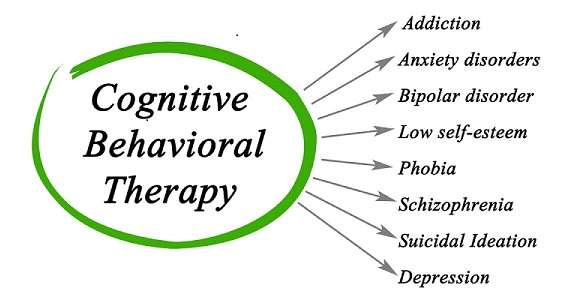
- Symptoms/causes: Often used for anxiety, depression, phobias, and stress-related disorders, especially when thoughts are distorted or irrational.
- Diagnosis: Assessment through clinical interviews to understand thought patterns and emotional responses.
- Treatment/management: Structured sessions where patients learn coping skills and strategies to challenge harmful beliefs.
- What to expect: Typically involves weekly sessions over several months with homework assignments to practice techniques.
This therapy empowers individuals to manage their symptoms actively by reshaping their cognitive processes for long-term emotional well-being.