Top 10 Digital Medical Records Software for Orthopaedic Doctors
Compare digital medical records software for orthopaedic surgeons, bone and joint clinics, fracture centres and hospitals. Explore EMR features, patient records, X-ray reports, prescriptions, OPD management and pricing.
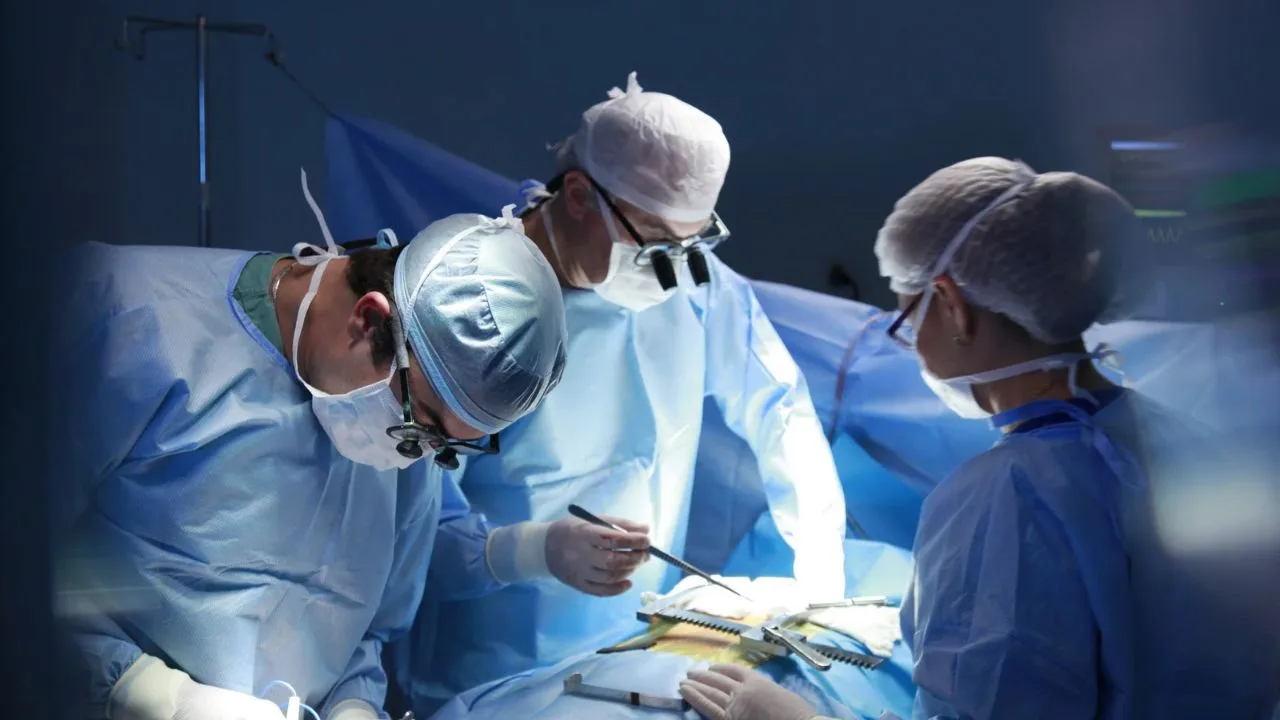
Orthopaedic doctors manage patients with a wide range of conditions, including fractures, joint pain, arthritis, sports injuries, ligament tears, spinal disorders and post-surgical complications. Managing these cases requires accurate medical records, regular follow-ups, investigation reports and organised treatment documentation.
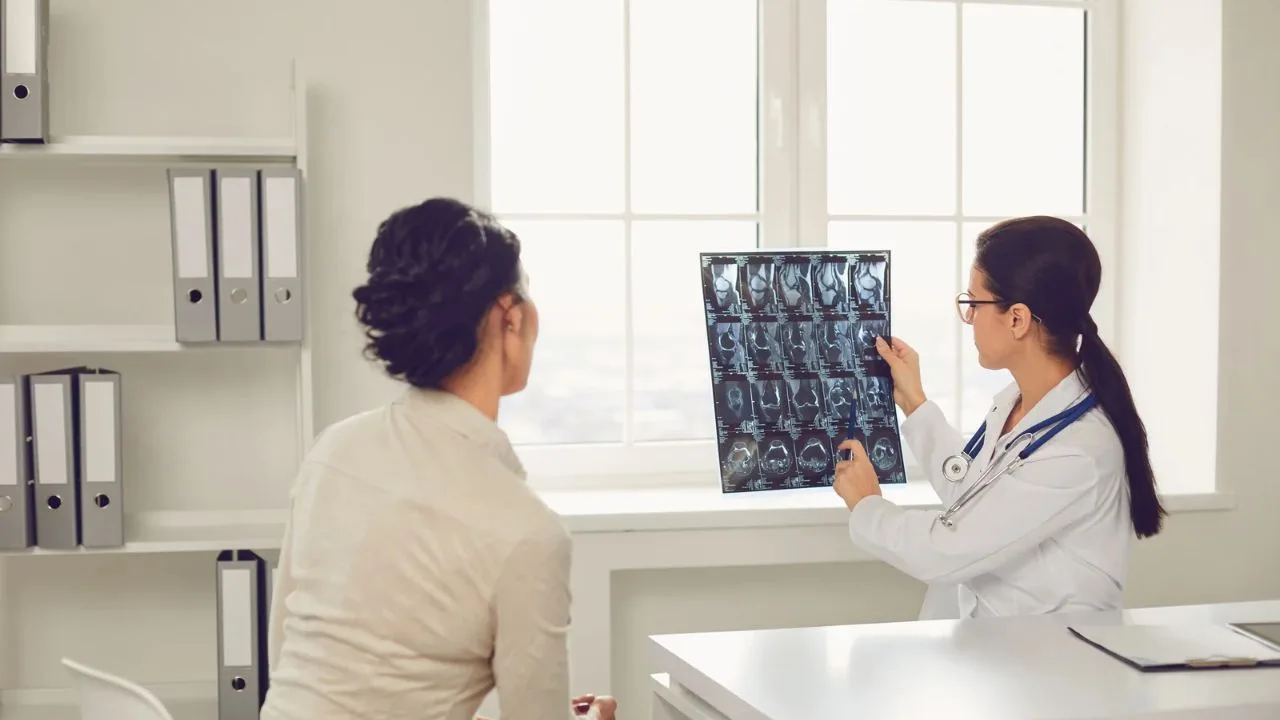
Many orthopaedic clinics still depend on paper case sheets, handwritten prescriptions, physical X-ray reports and separate billing registers. As patient numbers increase, retrieving previous consultation details and tracking treatment progress can become time-consuming.
Digital medical records software for orthopaedic doctors helps clinics and hospitals maintain patient information electronically. It can organise consultation notes, medical history, prescriptions, diagnostic reports, appointments, billing and follow-up records in one system.
Specialised orthopaedic EMR solutions may also provide structured joint assessments, range-of-motion documentation, fracture records, implant information, surgical notes and rehabilitation tracking.
In this guide, we explore 10 digital medical records software options that orthopaedic doctors in India can evaluate in 2026. We also cover important features, pricing considerations and why Doctors App is an option for clinics and hospitals looking to digitise their healthcare operations.
What Is Digital Medical Records Software for Orthopaedic Doctors?
Digital medical records software is a healthcare application that allows doctors to create, store, update and retrieve patient records electronically.
For orthopaedic specialists, it can help maintain information related to:
-
Patient registration and medical history
-
Bone and joint conditions
-
Previous injuries and surgeries
-
Consultation notes and clinical examinations
-
X-ray, MRI, CT scan and laboratory reports
-
Digital prescriptions
-
Surgical and procedure documentation
-
Physiotherapy and rehabilitation follow-ups
-
Appointment and billing history
A general EMR system can manage everyday clinical documentation, while a specialised orthopaedic EMR may offer additional templates and workflows for bone, joint, spine and sports injury care.
The right choice depends on the size of the clinic, the number of doctors, patient volume and the level of specialty-specific documentation required.
Top 10 Digital Medical Records Software for Orthopaedic Doctors
The following shortlist includes general EMR platforms, orthopaedic-focused clinic software and hospital management solutions. The order is an editorial selection, not an independently audited performance ranking. Orthopaedic-specific features and current commercial terms should be confirmed with each vendor.
1. Doctors App – Digital Medical Records and Orthopaedic EMR Software
Best for: Orthopaedic doctors, private clinics, multi-doctor practices and hospitals looking for digital patient records and connected healthcare management.
Doctors App offers EMR, EHR and healthcare management capabilities for doctors and hospitals. Its published orthopaedic-focused content positions the platform for orthopaedic surgeons, with digital medical records and clinic management workflows.
For orthopaedic practices, organised patient documentation can help doctors maintain consultation history, prescriptions, investigation reports and follow-up details.
Key features to explore:
-
Digital patient registration and medical records
-
Orthopaedic-focused EMR offering
-
Digital prescriptions in less than 20 seconds
-
Appointment scheduling and patient follow-ups
-
Investigation entry and diagnostic report uploads
-
X-ray and diagnostic report documentation
-
OPD management and medical billing
-
IPD management and bed allocation
-
Doctor clinical notes and nursing notes
-
Discharge summary management
-
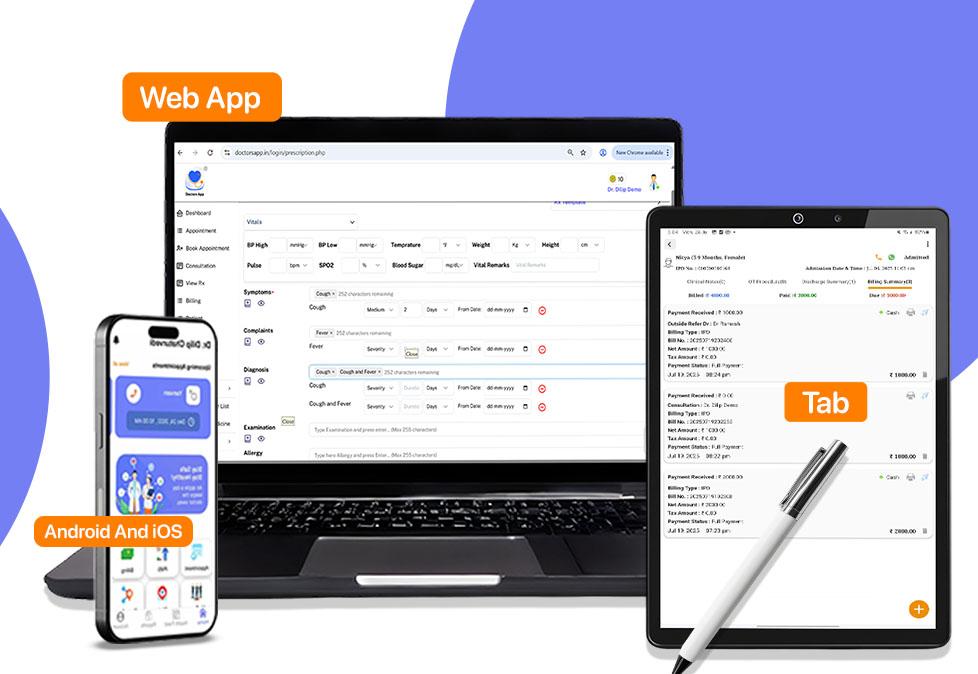
Cloud-based access through web and mobile applications
-
Staff roles and access restrictions
-
ABDM and ABHA-related capabilities
How can Doctors App help orthopaedic doctors?
Orthopaedic specialists often need to review previous consultations, injury history, diagnostic reports and treatment documentation. A digital medical records platform can make these records easier to organise and retrieve.
Doctors App supports digital prescriptions, investigation entries, uploaded reports, appointments and patient records. These features can help reduce paperwork during everyday consultations.
For hospitals, its IPD capabilities include patient registration, ward and bed allocation, doctor clinical notes, nursing notes, vitals monitoring, eMAR, investigation history, OT procedure management, discharge summaries and billing.
Orthopaedic-specific workflow verification
Before implementation, ask for a demonstration of the exact orthopaedic features required by your practice, such as:
-
Joint-specific examination templates
-
Range-of-motion documentation
-
Fracture and trauma case sheets
-
Laterality recording for left and right body parts
-
Implant and prosthesis records
-
Pre-operative and post-operative documentation
-
Physiotherapy and rehabilitation tracking
-
X-ray image viewing and PACS connectivity
A general diagnostic report upload facility should not automatically be treated as a complete PACS or radiology integration.
Why choose Doctors App?
Doctors App brings multiple clinic and hospital operations into a connected platform. Orthopaedic doctors can evaluate its patient record, digital prescription, OPD, appointment and investigation management features, while hospitals can explore its IPD and billing workflows.
The platform also supports digital prescription generation in less than 20 seconds. AI Voice to Rx, AI investigation extraction and stylus-based handwritten prescriptions are available as add-ons, subject to plan terms.
Doctors App describes ABDM and ABHA-related capabilities, including ABHA ID creation and linking. Clinics should confirm the required ABDM milestones, M1, M2 and M3, and the availability of specific integrations before implementation.
2. HealthPlix – Electronic Medical Records Software
Best for: Doctors looking for an EMR-focused consultation and prescription workflow.
HealthPlix is an electronic medical records platform used by doctors for digital clinical documentation and prescription management.
Orthopaedic doctors evaluating HealthPlix can explore its patient record and consultation workflows for maintaining medical histories and prescriptions.
Features to evaluate:
-
Digital patient records
-
Consultation documentation
-
Electronic prescriptions
-
Patient history management
-
Clinical templates
-
Appointment-related workflows
-
Mobile access
-
Practice management capabilities
Orthopaedic specialists should confirm whether the available templates support their preferred joint assessments, fracture documentation and post-operative follow-ups.
3. Practo Ray – Clinic Management and Digital Records
Best for: Orthopaedic clinics that need patient records along with appointments and billing.
Practo Ray combines clinic management and digital record-keeping workflows. It can be considered by doctors looking to organise appointments, patient information, prescriptions and clinic administration.
Features to evaluate:
-
Patient registration
-
Digital patient records
-
Consultation notes
-
Prescription management
-
Appointment scheduling
-
Billing and payment records
-
Patient communication
-
Clinic reports
Before selecting Practo Ray, check whether its available documentation templates are suitable for orthopaedic examinations and whether the plan supports your required integrations.
4. Eka Care – Digital Health Records and EMR
Best for: Clinics interested in digital health records and connected healthcare services.
Eka Care provides digital healthcare and EMR-related solutions. Orthopaedic doctors can evaluate its patient history, prescription and digital record capabilities.
Features to evaluate:
-
Digital health records
-
Patient medical history
-
Electronic prescriptions
-
Consultation documentation
-
Appointment management
-
Patient engagement
-
Teleconsultation-related features
-
ABDM-related capabilities
Confirm the available specialty templates, pricing and integration scope before selecting a plan.
5. Clinicia – Orthopaedic Clinic Management Software
Best for: Orthopaedic surgeons who want specialty-oriented patient documentation.
Clinicia offers an orthopaedic clinic management solution with documentation features designed for bone and joint practices.
Its published orthopaedic offering describes structured clinical details and patient record management.
Features to evaluate:
-
Orthopaedic case documentation
-
Pain scale and mobility assessment
-
Range-of-motion records
-
Injury and surgery history
-
X-ray and MRI report attachments
-
Joint-specific assessments
-
Digital prescriptions
-
Follow-up scheduling
-
Billing and payment records
-
Role-based access
Clinicia may be worth evaluating for clinics that want more specialty-oriented documentation than a basic general-purpose EMR.
6. MocDoc – Clinic and Hospital Management Software
Best for: Orthopaedic hospitals and larger practices requiring broader operational management.
MocDoc offers healthcare management software for clinics and hospitals. Its broader operational scope can be relevant to orthopaedic facilities that manage OPD, inpatient services and supporting departments.
Features to evaluate:
-
Patient registration
-
Electronic medical records
-
Appointment scheduling
-
OPD management
-
IPD management
-
Billing
-
Laboratory workflows
-
Pharmacy management
-
Inventory management
-
Hospital reports
Orthopaedic hospitals should confirm whether the platform supports their required surgical documentation, implant records and rehabilitation workflows.
7. Clinidiary – Orthopaedic Practice Management Software
Best for: Orthopaedic clinics and hospitals managing OPD, fracture reviews and post-operative follow-ups.
Clinidiary describes practice management software for orthopaedic doctors and hospitals.
Its published offering focuses on clinic operations and patient records, including orthopaedic consultation and follow-up workflows.
Features to evaluate:
-
Orthopaedic OPD management
-
Patient records
-
Fracture and post-operative reviews
-
Clinical notes
-
X-ray findings documentation
-
Surgery date records
-
Billing and payment tracking
-
Appointment management
-
Hospital admission and bed workflows
Clinics should check the available templates, data migration process and plan pricing before implementation.
8. NeftX – Orthopaedic Clinic and Hospital Software
Best for: Orthopaedic practices looking for OPD and inpatient records in connected workflows.
NeftX describes orthopaedic clinic and hospital software covering patient records from consultation through admission and discharge.
Features to evaluate:
-
Orthopaedic OPD records
-
Appointment management
-
Digital prescriptions
-
X-ray uploads
-
Patient visit history
-
IPD admission and bed management
-
OT records
-
Discharge summaries
-
IPD billing and settlement
Its published pricing describes a free core OPD and EMR option, OPD Premium at ₹10,000 per year and IPD at ₹2,000 per bed per year. Confirm the current price and included modules directly with the provider.
9. Clinizy Care – Orthopaedic Clinic Software
Best for: Orthopaedic clinics managing busy OPD schedules and recurring patient visits.
Clinizy Care describes an orthopaedic clinic management solution with appointment, patient record and billing workflows.
Features to evaluate:
-
OPD queue and token management
-
Patient records
-
X-ray documentation
-
Prescription management
-
Procedure billing
-
Follow-up reminders
-
Cast review and post-operative follow-ups
-
Nursing home and hospital workflows
Its published orthopaedic clinic page lists a clinic plan starting at ₹1,499 per month. Confirm current pricing and plan inclusions before purchasing.
10. ArthoFlow EMR – Orthopaedic Specialty Software
Best for: Orthopaedic surgeons, physiotherapists and implant coordinators seeking specialised workflows.
ArthoFlow EMR is positioned as an orthopaedic-focused medical records and clinic management solution.
Its published product profile describes workflows for orthopaedic consultations, imaging, surgery, implants and physiotherapy.
Features to evaluate:
-
Orthopaedic OPD documentation
-
Range-of-motion records
-
Neurovascular assessment
-
Trauma and implant planning
-
Imaging and measurement records
-
Pre-operative assessments
-
Surgery documentation
-
Implant management
-
Physiotherapy assessment
-
Follow-up and outcome tracking
-
Digital prescriptions and billing
Orthopaedic practices should request a demonstration to understand the available modules, integrations and implementation requirements.
Essential Features of Digital Medical Records Software for Orthopaedic Doctors
Choosing the right software requires understanding the daily requirements of an orthopaedic practice. A system should support clinical documentation as well as administrative workflows.
1. Digital Patient Registration
A digital patient registration system allows clinics to maintain patient details electronically.
Important information may include:
-
Patient name and contact details
-
Age and demographic information
-
Medical history
-
Previous injuries
-
Existing conditions
-
Previous surgeries
-
Allergies and relevant clinical information
A centralised patient record helps doctors retrieve patient information during future consultations.
2. Orthopaedic Clinical Documentation
Orthopaedic consultations often involve detailed physical examinations.
A specialty-oriented EMR may support documentation of:
-
Pain location and severity
-
Joint mobility
-
Range of motion
-
Swelling and tenderness
-
Muscle strength
-
Injury history
-
Neurovascular examination
-
Clinical diagnosis
-
Treatment recommendations
Structured documentation can help doctors maintain consistent records across visits.
3. X-Ray, MRI and Diagnostic Report Management
Diagnostic investigations are an important part of orthopaedic care.
Doctors may need to review X-rays, MRI reports, CT scans and other diagnostic information while assessing patients.
A digital records system should make it easy to attach and retrieve investigation reports.
Before selecting software, confirm whether it supports only document uploads or also provides image viewing, DICOM or PACS integration. These are different capabilities.
4. Digital Prescription Management
Digital prescriptions help doctors create and share treatment instructions electronically.
A useful prescription workflow should support:
-
Medicine names
-
Dosage instructions
-
Frequency and duration
-
Investigation recommendations
-
Follow-up advice
-
Doctor details and clinic information
Digital prescriptions can reduce handwriting-related difficulties and make records easier to retrieve.
5. Fracture and Trauma Documentation
Fracture and trauma clinics manage patients who may need repeated examinations and follow-up visits.
Specialised documentation may include:
-
Injury date and mechanism
-
Fracture location
-
Left or right side
-
Imaging findings
-
Treatment plan
-
Immobilisation details
-
Review dates
-
Healing progress
Ask vendors whether these fields are available as structured templates or need custom configuration.
6. Surgical and Implant Records
Orthopaedic hospitals may perform joint replacement, fracture fixation, spine surgery and other procedures.
A suitable hospital system should help maintain surgical and inpatient documentation.
Depending on the product, relevant features may include:
-
Pre-operative assessment
-
Surgery date and time
-
Surgeon and assisting team details
-
Operative notes
-
Implant and prosthesis details
-
Consent documentation
-
Post-operative notes
-
Discharge summaries
Implant traceability and inventory management should be verified separately.
7. Physiotherapy and Rehabilitation Follow-Ups
Many orthopaedic patients require rehabilitation after injuries or surgery.
A clinic may need to maintain records of physiotherapy sessions, progress and follow-up appointments.
Check whether the software supports:
-
Rehabilitation notes
-
Physiotherapy appointment scheduling
-
Exercise recommendations
-
Progress documentation
-
Post-operative review dates
-
Follow-up reminders
8. Appointment and OPD Management
Appointment management helps orthopaedic clinics organise new consultations, follow-up visits and procedure-related appointments.
Important capabilities include:
-
Doctor availability
-
Appointment scheduling
-
Patient queue management
-
Consultation history
-
Follow-up reminders
-
Visit tracking
9. Billing and Hospital Management
For clinics and hospitals, billing and administrative management are also important.
Look for features such as:
-
Consultation billing
-
Procedure billing
-
Payment tracking
-
IPD billing
-
Pharmacy billing
-
Ward and bed allocation
-
Insurance and TPA information
-
Discharge documentation
10. Data Security and Access Control
Digital medical records contain sensitive patient information. Clinics should evaluate the software's security and data management policies.
Important questions include:
-
Does the system provide role-based access?
-
Are patient records protected from unauthorised access?
-
Are backups maintained?
-
Can changes to records be tracked?
-
Can the clinic export its patient data?
-
What happens to records if the subscription ends?
-
What is the data migration process?
Doctors App Pricing for Orthopaedic Clinics and Hospitals
Doctors App offers annual OPD/EMR plans for clinics and quotation-based IPD/EMR plans for hospitals.
These are general clinic and hospital management plans. They should not be interpreted as separate orthopaedic specialty packages.
Doctors App OPD/EMR Pricing
| Features | Professional | Premium |
|---|---|---|
| Annual price | ₹10,999 | ₹16,999 |
| Price including 18% GST | ₹12,979 approx. | ₹20,059 approx. |
| Doctor access | 1 | 1 |
| Staff access | 2 | 3 |
| Appointment scheduling | Included | Included |
| Digital prescriptions | Included | Included |
| Investigation entry | Included | Included |
| Lab report uploads | Included | Included |
| Web, Android and iOS access | Included | Included |
| Clinic analytics | Included | Included |
| Cloud storage and backup | Included | Included |
| WhatsApp credits | Limited | As per plan |
| Support | Standard | Priority |
| Promotion and campaign tools | Not included | Included |
Published annual prices are exclusive of 18% GST. Confirm current pricing, device availability, WhatsApp credits and plan conditions with Doctors App.
Optional Features and Add-ons
The following features are available as add-ons, subject to the selected plan:
-
AI Voice to Rx
-
AI investigation extraction
-
Stylus-based handwritten prescriptions
-
Laboratory management
-
Pharmacy management
Doctors App IPD/EMR Pricing for Hospitals
Doctors App provides Professional and Premium hospital plans with pricing available on request.
Hospital features include:
-
IPD patient registration
-
Ward and bed allocation
-
Doctor clinical notes
-
Vitals monitoring
-
Nursing notes
-
IPD prescriptions
-
eMAR medication administration records
-
Investigation and laboratory history
-
Documents and consent forms
-
OT procedure management
-
Discharge summaries
-
IPD billing
-
Insurance and TPA details
-
Role-based access
-
Change logs
-
IPD analytics
Stylus functionality, AI discharge summary generation, ABDM/ABHA care-context linking and selected integrations may involve additional charges.
For hospital pricing, contact Doctors App directly.
Website: https://www.doctorsapp.in/
WhatsApp: +91 85917 52176
Email: [email protected]
Comparison Table: Top 10 Digital Medical Records Software for Orthopaedic Doctors
|
Software |
Best For |
Key Capabilities |
Pricing |
|---|---|---|---|
|
1. Doctors App |
Orthopaedic clinics and hospitals |
Digital patient records, OPD, IPD, e-prescriptions, appointments, billing, lab and pharmacy management, AI-assisted documentation |
Starts at ₹10,999/year + GST |
|
2. HealthPlix |
Individual doctors and clinics |
Digital prescriptions, patient records, clinical documentation and practice management |
Contact vendor |
|
3. Practo Ray |
Clinics and independent practitioners |
Appointment scheduling, patient records, billing and clinic management |
Contact vendor |
|
4. Eka Care |
Digital health records and clinics |
Digital health records, prescriptions, patient profiles and health data management |
Contact vendor |
|
5. Clinicia |
Specialty clinics |
Patient records, appointments, prescriptions, billing and clinical documentation |
Contact vendor |
|
6. MocDoc |
Hospitals and multi-specialty facilities |
EMR, OPD, IPD, billing, pharmacy and hospital administration |
Contact vendor |
|
7. Clinidiary |
Private clinics and specialists |
Patient management, digital records, appointments and clinic workflows |
Contact vendor |
|
8. NeftX |
Clinics and hospitals |
EMR, OPD and IPD management, patient records and clinical workflows |
Free EMR option; other plans require confirmation |
|
9. Clinizy Care |
Small and growing clinics |
Patient records, appointments, prescriptions and clinic management |
Reported starting price: ₹1,499/month; confirm with vendor |
|
10. ArthoFlow EMR |
Orthopaedic-focused practices |
Orthopaedic workflows, imaging records, pre-operative documentation, implant management and follow-ups |
Contact vendor |
Pricing and feature availability should be confirmed directly with each provider, as plans and inclusions may change. Orthopaedic-specific features such as range-of-motion templates, fracture assessment, implant tracking and imaging workflows should be verified during a product demo.
Why Doctors App? Doctors App offers clinic and hospital management capabilities in one platform, with digital prescriptions, patient records, OPD/IPD workflows and AI-assisted documentation. Its clinic plans start at ₹10,999 per year, excluding GST. Orthopaedic-specific templates and integrations should be confirmed before purchase.
Why Choose Doctors App for Digital Medical Records?
Doctors App provides a connected EMR and healthcare management platform for clinics and hospitals. Orthopaedic doctors can explore its digital patient records, prescriptions, appointment and investigation workflows.
1. Organised Digital Patient Records
Maintain patient information, consultation documentation, prescriptions and uploaded investigation reports electronically.
Doctors can retrieve relevant records during subsequent visits instead of searching through physical files.
2. Faster Digital Prescriptions
Doctors App supports digital prescription creation in less than 20 seconds.
This can help orthopaedic doctors manage prescription documentation during busy OPD hours. AI Voice to Rx is available as an add-on and should be reviewed by the treating doctor before finalising a prescription.
3. Investigation and Report Uploads
Doctors can add investigations and upload diagnostic reports to patient records.
This helps organise information from different consultations and maintain a more complete digital record.
4. OPD and Appointment Management
Manage patient registration, appointments, consultations, billing and follow-ups through connected OPD workflows.
5. IPD and Bed Management
Hospitals can manage inpatient registration, ward and bed allocation, clinical notes, nursing notes, investigations, eMAR and discharge documentation.
6. ABDM and ABHA-Related Capabilities
Doctors App describes ABDM and ABHA-related capabilities, including ABHA ID creation and linking.
Healthcare organisations planning ABDM implementation should discuss M1, M2 and M3 milestones, ABHA creation and verification, and the exact integration scope with the Doctors App team.
Do not assume every ABDM function is included in every package.
7. Access Across Web and Mobile
Doctors App supports web, Android and iOS access, allowing doctors to use supported workflows across devices.
8. Patient Follow-Up Communication
WhatsApp reminders for follow-up appointments can help clinics maintain communication with patients and organise recurring visits.
9. Connected Clinic and Hospital Operations
Doctors App combines several healthcare management capabilities, including EMR, OPD, IPD, billing, patient records and related workflows.
This can be useful for orthopaedic practices that are planning to move beyond separate registers and disconnected software.
10. Implementation and Onboarding Support
Doctors App describes support for implementation, initial setup, onboarding guidance and ongoing assistance.
This can help clinics and hospitals transition to digital workflows with guidance from the product team.
How to Select the Best Digital Medical Records Software for Orthopaedics
Before purchasing an EMR, orthopaedic doctors should identify their actual clinical and operational requirements.
For individual orthopaedic doctors: Prioritise patient registration, consultation notes, prescriptions, investigation uploads and appointment scheduling.
For joint replacement clinics: Check whether the platform supports pre-operative assessment, implant records, surgery documentation and post-operative follow-ups.
For fracture and trauma centres: Evaluate injury documentation, laterality, imaging records, treatment plans and repeated fracture reviews.
For sports injury clinics: Look for structured mobility assessments, range-of-motion documentation, injury history and rehabilitation records.
For multi-doctor orthopaedic clinics: Evaluate staff permissions, multiple doctor access, billing, patient records and appointment coordination.
For orthopaedic hospitals: Consider OPD, IPD, OT documentation, bed management, nursing notes, pharmacy, billing and discharge workflows.
Questions to Ask Before Buying
-
Does the software provide orthopaedic-specific templates?
-
Can doctors record range of motion and joint assessments?
-
Can X-ray and MRI reports be attached to patient records?
-
Does it support fracture and trauma documentation?
-
Can it maintain surgical and implant records?
-
Does it support post-operative follow-ups?
-
Can physiotherapy records be maintained?
-
Does it provide IPD and OT management?
-
Can multiple doctors and staff access the system with separate permissions?
-
Can existing patient records be migrated?
-
Does the vendor provide data export and backup options?
-
What features require additional payment?
Frequently Asked Questions
1. What is the best digital medical records software for orthopaedic doctors in India?
The best software depends on the clinic's requirements. Doctors App is an option for orthopaedic doctors evaluating digital patient records, prescriptions, OPD management, investigation uploads and hospital workflows. Clinics requiring detailed joint assessments, implant management or specialised rehabilitation tracking should confirm those features during a demonstration.
2. Why do orthopaedic doctors need EMR software?
Orthopaedic doctors manage recurring consultations, diagnostic reports, injury histories, prescriptions and post-operative follow-ups. EMR software helps maintain these records electronically, making patient information easier to organise and retrieve.
3. Can orthopaedic doctors store X-ray and MRI reports digitally?
Many EMR platforms support uploading diagnostic reports and attaching them to patient records. However, report uploads are different from full PACS or DICOM image integration. Confirm the required functionality with the software provider.
4. What features should an orthopaedic EMR include?
Important features include patient history, clinical notes, joint assessments, range-of-motion documentation, fracture records, digital prescriptions, imaging reports, surgery documentation and follow-up management.
5. Is Doctors App suitable for orthopaedic clinics?
Doctors App provides general EMR and clinic management features that orthopaedic clinics can evaluate, including patient records, digital prescriptions, appointments, investigation uploads, OPD management and billing. Ask for a demonstration of the exact orthopaedic-specific templates and workflows required by your practice.
6. How much does Doctors App cost?
Doctors App's published clinic OPD/EMR pricing starts at ₹10,999 per year for Professional and ₹16,999 per year for Premium, excluding 18% GST. Hospital IPD/EMR pricing is available on request. Optional features and integrations may have additional charges.
7. Can digital medical records software manage post-operative follow-ups?
Many clinic management systems support appointment scheduling, patient history and follow-up reminders. More specialised platforms may provide post-operative assessment templates and outcome tracking. Confirm the exact workflow before purchasing.
8. Is cloud-based EMR software useful for orthopaedic clinics?
Cloud-based EMR software can provide access to supported patient records through web and mobile applications. Clinics should evaluate data security, backup policies, user permissions and data portability before selecting a provider.
9. Can hospitals use the same software for OPD and IPD?
Some healthcare management platforms provide both OPD and IPD modules. These can support patient registration, consultations, admission, bed allocation, clinical notes, billing and discharge documentation. Confirm which modules are included and whether they require separate subscriptions.
10. How can I book a free Doctors App demo?
Visit Doctors App or contact the team on WhatsApp at +91 85917 52176 to discuss your clinic or hospital requirements and request a personalised demonstration.
Conclusion
Digital medical records software can help orthopaedic doctors manage patient information, consultation notes, prescriptions, diagnostic reports and follow-up records in an organised way.
For clinics, the right EMR can reduce paperwork and simplify everyday OPD activities. For hospitals, connected OPD and IPD workflows can improve the organisation of admissions, clinical notes, OT documentation, billing and discharge records.
Doctors App offers EMR, digital prescriptions, patient records, OPD management, investigation uploads and IPD capabilities that orthopaedic clinics and hospitals can explore.
If you are planning to digitise your orthopaedic practice, explore Doctors App and request a free personalised demo to understand how its available features can support your clinical and administrative workflows.